
Choosing the right FPV goggles can make a bigger difference than almost any other upgrade. Whether you fly casually, race, or want a more immersive digital setup, the best box-style options balance screen size, comfort, latency, and video compatibility.
This roundup focuses on box FPV goggles across analog and digital systems, with picks that suit beginners, budget buyers, and pilots looking for a brighter, easier-to-use viewing experience.
Best 10 Box Fpv Goggles Picks for 2026
Versatile Hybrid Pick
HDZero BoxPro+ Box FPV Goggles

- Digital, analog, WiFi streaming, HDMI, and ELRS support
- 100Hz LCD with 1800 nits brightness for clear viewing
- Box-style design focused on smooth low-latency flying
Best For: Pilots who want one flexible goggle for multiple FPV systems
Premium DJI Pick

- Micro-OLED display with up to 100Hz refresh
- O4 transmission with low-latency supported by DJI gear
- Real View PiP and built-in battery/headband convenience
Best For: DJI pilots who want a premium, immersive goggles setup
Budget Analog Pick
EV800D Box FPV Goggles with DVR

- Built-in DVR for recording flights and video return
- Dual antennas and auto-searching for stable analog use
- 5-inch LCD with battery and accessories included
Best For: Analog FPV pilots who want a value-focused box goggle
Lightweight DJI Pick

- Dual Micro-OLED screens with vivid color
- Low-latency performance with adjustable diopters
- Lightweight, portable design with Wi‑Fi streaming
Best For: DJI pilots who want a lighter, comfortable goggles option
Digital Premium Choice

- Dual 1080p OLED displays with 100FPS support
- As low as 22ms average latency
- Built-in DVR and HDMI/AV expansion
Best For: Walksnail Avatar HD users seeking a premium digital box goggle
DJI Ecosystem Pick
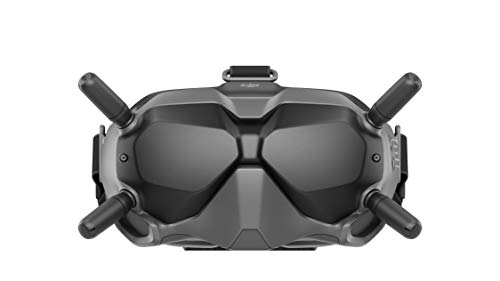
- Immersive FPV viewing for DJI users
- Supports FHD 1080p video capture
- Battery sold separately
Best For: Pilots already using DJI gear who want immersive FPV goggles
HD Comfort Box Goggles

- 4.5-inch 1920×1080 LCD
- 1080p@60fps DVR to microSD
- Glasses-friendly comfort fit
Best For: HD whoop and Air Unit pilots who want comfort and recording
Budget Analog Box Goggles

- 4.3-inch analog 5.8G display
- Built-in DVR supports 32GB
- 2000mAh battery for about 3 hours
Best For: Budget analog pilots who need DVR and long runtime
DJI-Compatible FPV Box Goggles

- Dual 2-inch 1440×810 displays
- Up to 144Hz refresh rate
- microSD recording up to 256GB
Best For: DJI FPV and Avata pilots wanting box-style comfort
Versatile Hybrid Pick – HDZero BoxPro+ Box FPV Goggles
If you want box FPV goggles that can handle a wide range of flying setups, the HDZero BoxPro+ is built to stay flexible. It supports digital, analog, WiFi video streaming, ELRS Backpack, and HDMI input, while the 100Hz LCD and 1800 nits brightness aim to keep the view smooth and easy to see outdoors.
Best For: Pilots who want a versatile box-style goggle for digital, analog, and HDMI use.
Pros:
- Supports digital, analog, WiFi video streaming, ELRS Backpack, and HDMI video.
- 100Hz LCD and 1800 nits brightness are geared toward fluid, bright viewing.
- Box-style design and 5.75 size keep it in the practical FPV goggles category.
- Listed as low-latency and built for smooth flying at a competitive price point.
Cons:
- Heavier than some compact goggles at 1.6 pounds.
- Bulky box format may not suit pilots who prefer a slimmer headset.
- Best fit is outdoor use, so it may not be ideal for every environment.
The BoxPro+ stands out if you want box fpv goggles that prioritize compatibility and a bright, responsive display. It is a strong pick for pilots who need one goggle that can cover multiple video systems without moving up to a more expensive setup.
Premium DJI Pick – DJI Goggles 3 FPV Goggles
For pilots already invested in DJI gear, these box FPV goggles are less about universal compatibility and more about a polished, immersive experience. DJI Goggles 3 pair with O4 HD transmission, Micro-OLED screens, and Real View PiP, giving you a high-end viewing system with strong safety and convenience features.
Best For: DJI drone and FPV users who want an immersive, feature-rich goggles experience.
Pros:
- Micro-OLED screens with up to 100Hz refresh for a sharp, fluid image.
- O4 video transmission delivers ultra-low latency and a 60Mbps bitrate with supported drones.
- Real View PiP lets you check surroundings without removing the goggles.
- Built-in battery and headband design support about 3 hours of operating time.
Cons:
- Compatibility is centered on DJI products and supported DJI controllers.
- Does not work with DJI RC Motion 2 or DJI FPV Remote Controller 2.
- Not the best choice if you need a general-purpose analog goggle.
DJI Goggles 3 are a premium choice if your priority is image quality, convenience, and DJI ecosystem support. They are especially compelling for users who want modern FPV goggles with streaming, adjustable diopters, and added situational awareness.
Budget Analog Pick – EV800D Box FPV Goggles with DVR
If you are shopping for box FPV goggles for analog flying, the EV800D is a straightforward value option with practical features. It combines a built-in DVR, dual antenna reception, auto-searching, and a 5-inch LCD screen, making it a simple all-in-one choice for FPV drones and other compatible RC uses.
Best For: Analog FPV pilots who want an affordable box goggle with DVR and built-in battery support.
Pros:
- Built-in DVR lets you record flights and drives directly from the goggles.
- Dual antenna reception is designed for more stable signal performance.
- 5-inch 800×480 high-brightness LCD provides a clear viewing area.
- Includes battery, charger cable, antennas, and protective case in the box.
Cons:
- Designed for analog 5.8G use, so it is not a digital-first option.
- Resolution is modest compared with higher-end FPV goggles.
- Listed as advanced skill level, which may not suit every beginner.
The EV800D makes sense if you want functional box FPV goggles without paying for premium digital features. Its DVR, antenna setup, and included accessories make it a practical starter or backup headset for analog flying.
Lightweight DJI Pick – DJI Goggles 2 FPV Goggles
DJI Goggles 2 are a lighter, more portable option for pilots who want FPV goggles with strong image quality and low-latency performance. With dual Micro-OLED screens, adjustable diopters, and Wi-Fi streaming, they are designed for immersive flying as well as casual media use.
Best For: DJI users who want a lightweight goggle with a compact feel and strong visual clarity.
Pros:
- Two Micro-OLED screens deliver vibrant, true-to-life color.
- Low-latency transmission is listed as low as 30 ms.
- Adjustable diopters from +2.0 to -8.0 help reduce dependence on glasses.
- Lightweight build and replaceable foam padding improve comfort and portability.
Cons:
- Compatibility is concentrated around DJI drones and controllers.
- Battery life is listed at about 90 minutes, which is shorter than some users may want.
- Not a true universal box-style goggle for mixed analog/digital setups.
If you want FPV goggles that are easy to pack and comfortable to wear, DJI Goggles 2 are a strong mid-premium choice. They are especially appealing for pilots who value clear screens, Wi-Fi streaming, and a lighter overall design.
Analog Starter Pick – 3-Inch Screen 5.8G FPV Goggles
If you want box fpv goggles for analog flying without overcomplicating the setup, this SpeedyBee set keeps the basics practical. The 3.0-inch 480×320 LCD, dual antennas, and 40-channel RaceBand support make it a straightforward choice for pilots using analog FPV cameras and transmitters.
Best For: Analog FPV pilots who want a compact, battery-powered box goggle with simple channel handling and a built-in screen.
Pros:
- Dual antennas are designed for more stable reception.
- 40 RaceBand channels with auto-search help simplify tuning.
- Built-in battery supports longer sessions without immediate external power needs.
- Low-power operation is rated at 360–400mA for efficiency.
Cons:
- 480×320 LCD resolution is modest compared with newer digital goggles.
- Made for analog FPV systems, so it won’t suit digital-only setups.
Overall, this is a practical entry-style box fpv goggles option for analog users who value easy setup, external AV options, and lightweight portability over premium image quality.
Digital Premium Choice – Walksnail Avatar HD Goggles X
For buyers comparing box fpv goggles in the digital space, the Walksnail Avatar HD Goggles X stands out with dual 1080p OLED displays and a wide 50° field of view. It is built for Walksnail Avatar HD systems, so it makes the most sense if your setup already runs that ecosystem and you want higher-end image quality and low-latency performance.
Best For: Walksnail Avatar HD pilots who want a high-resolution digital goggle with recording, head tracking, and expansion options.
Pros:
- Dual 1920×1080 OLED displays support up to 1080P/100FPS.
- Average latency as low as 22ms suits responsive flying.
- Built-in DVR supports microSD cards up to 256GB.
- HDMI in/out, AV input, and optional analog expansion add flexibility.
Cons:
- Battery is not included and must be purchased separately.
- Only compatible with Walksnail Avatar HD VTX kits, not third-party digital systems.
- Analog support requires the optional extension board.
This is a strong premium pick if you want a box-style goggle with modern digital features, but it is best matched to pilots already committed to Walksnail hardware.
DJI Ecosystem Pick – DJI FPV Goggles
If you are shopping for box fpv goggles in the DJI ecosystem, this DJI FPV Goggles model keeps the focus on immersive viewing and straightforward compatibility within DJI’s proprietary setup. The supplied notes emphasize FHD 1080p capture support and adult-oriented FPV use, making it a fitting option for pilots already tied to DJI gear.
Best For: DJI pilots who want immersive FPV goggles for use inside the DJI ecosystem.
Pros:
- Supports FHD 1080p video capture.
- Designed for immersive FPV viewing.
- Built for DJI proprietary control technology.
- Works for all skill levels according to the supplied details.
Cons:
- Battery is sold separately, despite Amazon description errors.
- More limited ecosystem focus than open-format analog or multi-system options.
As a DJI-specific goggle, this is best viewed as an ecosystem purchase rather than a universal box-style headset. It makes sense if you already fly DJI and want a familiar FPV experience.
HD Comfort Box Goggles – BETAFPV VR04 HD 1080P
If you want box fpv goggles that prioritize comfort and easy viewing, the BETAFPV VR04 HD is built around a 4.5-inch 1080p LCD and a glasses-friendly interior. It also adds onboard recording, so you can capture flights directly to microSD without extra gear.
Best For: Pilots who want a comfortable box-style HD goggles setup with built-in recording and flexible power options.
Pros:
- 1920×1080 display for sharp HD viewing
- Supports 1080p@60fps recording to microSD, up to 1TB
- Glasses-friendly fit with PU face padding and silicone nose bridge
- Can run on included 2600mAh batteries or 2–16S whoop battery power
Cons:
- SD card is not included
- Best suited to P1 Air Unit and compatible whoop setups
The VR04 HD stands out if comfort, screen clarity, and simple recording matter more than ultra-compact sizing. It is a practical box goggles pick for pilots who want an immersive view and straightforward setup.
Budget Analog Box Goggles – -008D 5.8G 40CH DVR
For buyers looking at box fpv goggles on a budget, the -008D keeps things simple with a 4.3-inch 480×272 screen, dual antennas, and built-in DVR. It is aimed at analog 5.8G flying, with enough battery capacity and recording support for casual racing or practice sessions.
Best For: Entry-level analog FPV pilots who want an affordable box goggles setup with DVR and long battery life.
Pros:
- Dual antennas for simultaneous signal reception
- Built-in DVR with support for up to 32GB memory
- 3.7V 2000mAh battery rated for about 3 hours of use
- USB interface for charging and data export
Cons:
- Low 480×272 display resolution
- Analog 5.8G design only, not an HD goggle option
This model makes sense if you mainly want functional analog goggles rather than premium visuals. The DVR and battery runtime are the main value points, while the display spec stays basic.
DJI-Compatible FPV Box Goggles – SECUREX V2 HD
FPV Goggles V2 with Battery,– HD Display, for DJI FPV Goggles V2,Low Latency, 110-Min Flight Time
Check Price On AmazonIf your box fpv goggles search is really about DJI-compatible viewing, this SECUREX V2 set focuses on HD playback, low-latency performance, and a more comfortable fit for extended sessions. It uses dual 2-inch displays with 1440×810 resolution and supports local recording through microSD.
Best For: DJI FPV and Avata pilots who want a comfortable box-style goggle with HD displays and recording support.
Pros:
- Dual 2-inch displays with 1440×810 resolution
- Up to 144Hz refresh rate for smoother viewing
- Supports microSD cards up to 256GB for local recording
- Adjustable strap, IPD, and viewing angle for comfort
Cons:
- Designed for supported DJI FPV systems rather than universal analog use
- Battery runtime is listed at about 110 minutes under standard testing
This is the most specialized option in the group, with a clear focus on DJI ecosystems and responsive HD viewing. If you want box-style comfort without giving up modern FPV features, it is the strongest fit here.
How We Picked the Best Box Fpv Goggles
For this roundup, we prioritized Box Fpv Goggles that offer a practical mix of image quality, receiver options, comfort, and value. We also looked for models that make sense for real-world flying, not just spec sheets: simple setup, usable field of view, dependable power options, and compatibility with common analog or digital FPV ecosystems.
Because box goggles are often chosen for their affordability and ease of use, we gave extra weight to screen visibility, built-in features like DVR, and whether a model is beginner-friendly without being too limiting for longer-term use.
Quick Comparison
In general, analog box goggles are the most affordable and widely compatible, making them a smart fit for entry-level pilots and multi-drone households. Digital box goggles usually cost more, but they deliver sharper images, better detail, and a more immersive flying experience if your drone and VTX system support them.
Models with larger displays and stronger battery life tend to be better for relaxed flying and training, while lighter designs and lower-latency options matter more for racing and fast freestyle. If you already own a specific video ecosystem, compatibility should come before almost everything else.
Key Buying Factors for Box Fpv Goggles
Video System Compatibility
Start with analog vs. digital. Some Box Fpv Goggles work only with analog 5.8GHz video, while others are tied to a specific digital platform. Matching the goggles to your aircraft’s transmission system is essential.
Screen Quality and Viewing Comfort
Look for a screen that is bright enough for outdoor use and large enough to stay comfortable during longer sessions. Resolution matters, but so do focus range, interpupillary comfort, and whether the goggles feel usable with glasses if needed.
Latency and Flight Style
Lower latency is more important for racing and aggressive freestyle. Casual flyers and beginners may care more about image clarity, stability, and ease of use than chasing the absolute lowest delay.
Receiver, DVR, and Antenna Support
Built-in receivers, decent antenna support, and DVR can add real value. DVR is especially useful for reviewing flights, checking signal issues, and saving footage without extra gear.
Battery Life and Portability
Long battery life is helpful if you fly in the field, while compact power solutions make goggles easier to travel with. Heavier units can still be a good buy if they offer a better screen and feature set.
Who Should Buy Which Box Fpv Goggles?
Choose budget analog box goggles if you want the simplest path into FPV or need a low-cost backup set. Go with a digital model if image quality and immersion matter most and your drone ecosystem supports it.
If you wear glasses, want a larger viewing area, or prefer a less “tunnel-like” experience than slim goggles provide, Box Fpv Goggles are often the better fit. For racing-first pilots, prioritize latency and reception; for casual flyers, prioritize comfort, screen quality, and ease of setup.