
Choosing the right digital FPV goggles can completely change how your flights feel. The best models balance image clarity, low latency, comfort, and system compatibility so you can fly with confidence.
Below, we focus on 10 standout options for different pilots, from premium HD systems to more accessible goggles for training, freestyle, and cinematic flying.
Best 10 Digital Fpv Goggles Picks for 2026
Premium DJI Pick
DJI Goggles 3 with O4 HD Transmission

- 1080p Micro-OLED display with up to 100 Hz refresh
- O4 HD transmission with 24 ms latency on Avata 2
- Real View PiP and adjustable diopters for comfort
Best For: DJI pilots wanting premium digital fpv goggles with strong ecosystem support
Value Walksnail Pick
Walksnail Goggles L with Head Tracking
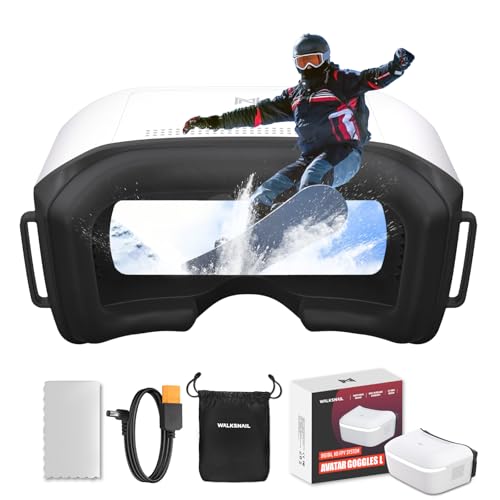
- 1080p/60fps view on a 4.5-inch LCD
- Head tracking plus built-in DVR with microSD support
- 32 ms average latency and up to 50 Mbps bitrate
Best For: Budget-minded Walksnail Avatar HD pilots and digital FPV beginners
Legacy DJI Pick
DJI FPV Goggles with 1080p Display
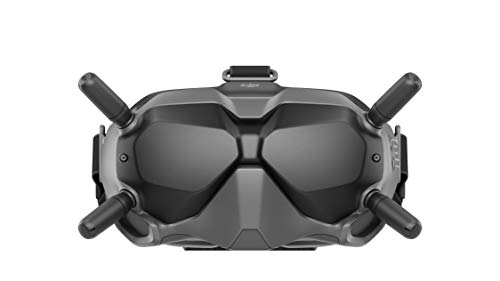
- FHD 1080p immersive FPV viewing
- Lightweight 16-ounce design
- Battery sold separately
Best For: Pilots wanting a proven older DJI FPV goggle setup
Premium Walksnail Pick

- Dual 1080p OLED displays with up to 100FPS
- 22 ms low latency and over 4 km rated range
- HDMI in/out, AV input, and wireless feed sharing
Best For: Advanced Walksnail Avatar HD pilots wanting premium display and connectivity
Immersive Lens-First View
DroneMask 1 Patented Unibody Lens FPV Goggles

- Patented unibody lens for a full-screen immersive view
- Works with many DJI and non-DJI camera drones
- Comfort padding and eyeglasses-friendly fit
Best For: Pilots who want a comfortable, phone-based immersive FPV viewing option
HD Budget Recorder Pick

- 1080p LCD screen with 60fps recording
- Up to 3 hours of use with included batteries
- Compatible with P1 Air Unit and 2–6S whoop batteries
Best For: FPV pilots who want HD viewing, onboard recording, and flexible power options
Premium DJI Motion Set

- Micro-OLED screens with low-latency DJI video transmission
- RC Motion 2 controller enables wrist-based flying
- Diopter adjustment and wireless streaming support
Best For: DJI drone owners who want premium goggles with motion control and OLED visuals
Universal Phone FPV Goggles

- Patented unibody lens for a more immersive view
- Works with many camera drone brands and models
- Adjustable fit with eyeglass-friendly comfort
Best For: multi-drone pilots wanting a smartphone-based FPV headset
Premium DJI FPV Goggles
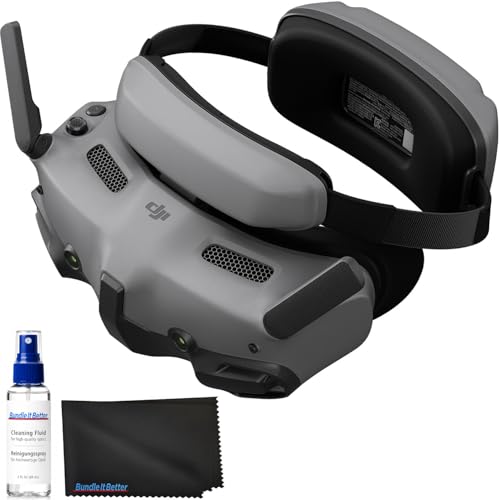
- Dual 1080p Micro-OLED displays with up to 100 fps
- O4 HD transmission with Real View PiP awareness
- Adjustable diopters plus one-tap defogging
Best For: DJI pilots wanting premium displays and ecosystem compatibility
OLED Racing FPV Goggles
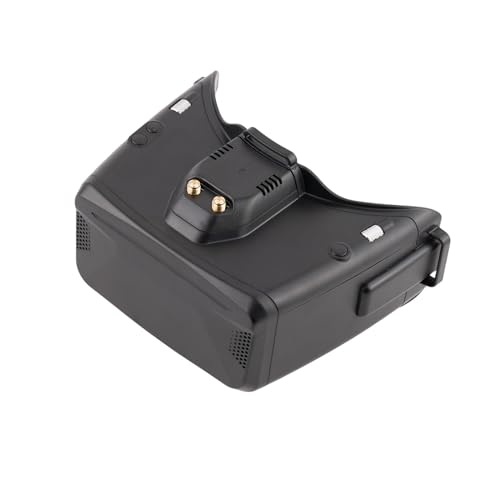
- 5.8G transmission for FPV flight use
- 1280x960 OLED display with vivid contrast
- Adjustable diopter and headband for comfort
Best For: FPV racers wanting a sharp, flight-focused OLED goggle
Premium DJI Pick – DJI Goggles 3 with O4 HD Transmission
If you want digital fpv goggles that prioritize image quality, comfort, and DJI ecosystem compatibility, Goggles 3 is built for a premium flying experience. It pairs with DJI Air 3, Mini 4 Pro, Avata 2, Neo, and supported DJI controllers and air units, while O4 transmission keeps the live view smooth and low-latency.
Best For: DJI pilots who want a high-end, comfortable goggle setup with strong video quality and broad DJI compatibility.
Pros:
- 1080p Micro-OLED screens with up to a 100 Hz refresh rate
- O4 HD video transmission with ultra-low 24 ms latency on Avata 2
- Real View PiP lets you check surroundings without removing the goggles
- Built-in diopter adjustment from -6.0 D to +2.0 D and 3-hour operating time
Cons:
- Does not work with DJI RC Motion 2 or DJI FPV Remote Controller 2
- Wireless streaming and expanded compatibility are tied to the DJI ecosystem
Overall, Goggles 3 is the most polished option here for DJI users who value a crisp display, safety-focused features, and a lightweight integrated design. It is less of a universal pick, but very compelling for pilots already invested in DJI gear.
Value Walksnail Pick – Walksnail Goggles L with Head Tracking
For pilots looking for digital fpv goggles at a more approachable price point, Walksnail Goggles L focuses on clear 1080p viewing and practical features. It is aimed at Walksnail Avatar HD users who want a clearer upgrade from analog-style video for freestyle, fixed-wing flying, and RC vehicle use.
Best For: Cost-conscious pilots using Walksnail Avatar HD gear who want a clearer digital upgrade.
Pros:
- 1080p/60fps display on a 4.5-inch LCD
- Latency averaging as low as 32 ms with up to 50 Mbps bitrate
- Head tracking support for fixed-wing aircraft and RC vehicles
- Built-in DVR with microSD support up to 256 GB
Cons:
- Only works with Walksnail Avatar HD system air units
- No analog reception and no HDMI input
- External battery and microSD card are not included
This is a focused, value-oriented choice if your setup already uses Walksnail Avatar HD. The feature set is practical rather than flashy, but the combination of head tracking, DVR, and long-range-rated performance makes it a solid entry into digital FPV.
Legacy DJI Pick – DJI FPV Goggles with 1080p Display
If you want digital fpv goggles from DJI without moving to the newest flagship model, this original DJI FPV Goggles set still delivers an immersive first-person view. It offers FHD 1080p capture support and a straightforward FPV-focused experience for pilots already working in the DJI environment.
Best For: DJI users who want a proven FPV goggle option with a simple, immersive viewing experience.
Pros:
- FHD 1080p video capture resolution
- Immersive FPV design aimed at all skill levels
- Micro SD media support and MP4/JPEG handling
- Relatively lightweight at 16 ounces
Cons:
- Battery is sold separately
- Older model with fewer feature details than newer DJI goggles
This model is best viewed as a legacy DJI option: functional, FPV-focused, and relatively simple. If you do not need the latest transmission features or extras, it remains a workable choice for pilots who want the basic DJI goggles experience.
Premium Walksnail Pick – Walksnail Goggles X OLED
Walksnail Goggles X is for pilots who want digital fpv goggles with a longer feature list, including OLED displays, low latency, HDMI support, and modular expansion. It is aimed at Avatar HD users who want a high-end viewing experience for racing, freestyle, and cinematic flying.
Best For: Walksnail Avatar HD pilots who want a premium, flexible goggle setup with advanced connectivity.
Pros:
- Dual 1920×1080 OLED displays with up to 1080P/100FPS
- Average latency as low as 22 ms with over 4 km transmission under suitable conditions
- Built-in DVR, microSD support, and wireless goggles-to-goggles sharing
- HDMI in/out, AV input, and optional analog expansion support
Cons:
- Designed only for Walksnail Avatar HD VTX kits
- Battery is not included
- Some comfort and analog options depend on separate accessories
For Avatar HD pilots, Goggles X stands out because it combines performance, flexibility, and expansion options in one package. The OLED panels and low-latency feed are the headline benefits, but the HDMI and sharing features make it especially versatile.
Immersive Lens-First View – DroneMask 1 Patented Unibody Lens FPV Goggles
DroneMask 1 | Patented Unibody Lens FPV Goggles | Immersive VR Headset for DJI & GPS Drones
Check Price On AmazonIf you’re shopping for digital fpv goggles and want a more cinematic, screen-like view, DroneMask 1 takes a different approach with its patented unibody lens system. It’s built for distraction-free flying, broad drone compatibility, and comfortable all-session wear, especially if you want to use your smartphone and standard controller without extra app setup.
Best For: Pilots who want a comfortable, phone-based immersive FPV viewing option for DJI and other camera drones.
Pros:
- Patented unibody lens design aims for a full-screen, immersive view.
- Compatible with many drone models, including DJI, Autel, Potensic, Fimi, Hubsan, Skydio, Xiaomi, and Parrot.
- Uses a standard controller and smartphone, with no third-party apps required.
- Soft padding, breathable fabric, adjustable straps, and eyeglasses-friendly fit improve comfort.
Cons:
- Uses a smartphone-based setup rather than a dedicated built-in FPV display system.
- Listed display resolution is lower than some true HD goggles.
DroneMask 1 stands out if you value simplicity and compatibility over a more traditional race-style goggle setup. Its main appeal is the large, immersive viewing experience paired with comfort-focused design.
HD Budget Recorder Pick – BETAFPV VR04 HD FPV Goggles
BETAFPV’s VR04 HD is a practical choice if you want digital fpv goggles with a sharp 1080p screen and built-in recording. It’s geared toward comfort and longer sessions, with glasses-friendly padding, battery flexibility, and compatibility with P1 Air Unit builds and select whoops.
Best For: FPV pilots who want HD viewing, onboard recording, and flexible power options for custom or bind-and-fly setups.
Pros:
- 1920×1080 LCD display for clear HD viewing.
- Records 1080p video at 60fps directly to microSD, up to 1TB.
- Includes two 2600mAh batteries and supports up to 3 hours of use.
- Works with 2–6S whoop batteries and supports P1 Air Unit compatibility.
Cons:
- Screen size is 4.5 inches, so it is less compact than some alternatives.
- microSD card is not included.
The VR04 HD is a strong value option if you care about recording flights and flexible powering more than premium-brand polish. It combines useful everyday features with a glasses-friendly design that should suit longer FPV sessions.
Premium DJI Motion Set – DJI Goggles 2 Motion Combo
If you want digital fpv goggles built around DJI’s ecosystem, the Goggles 2 Motion Combo focuses on low-latency flight, Micro-OLED clarity, and motion-based control. It’s also light enough to travel with and adds extras like diopter adjustment and wireless streaming, making it a versatile pick for both flying and downtime.
Best For: DJI drone owners who want premium goggles with motion control, OLED visuals, and broad compatibility.
Pros:
- Two Micro-OLED screens and an independent processing chip for vivid, smooth visuals.
- Motion-sensing RC Motion 2 controller adds intuitive wrist-based control.
- Adjustable diopters from +2.0 to -8.0 reduce the need for glasses.
- Lightweight design and wireless streaming support add convenience.
Cons:
- Best suited to DJI-compatible drones, not universal across all FPV systems.
- Motion controller focus may not appeal to pilots who prefer a traditional stick-first setup.
This combo is the most premium-feeling option here, especially if you’re already invested in DJI hardware. Its strengths are display quality, comfort, and the added flexibility of motion control and streaming.
Universal Phone FPV Goggles – DroneMask 2
If you want digital fpv goggles that work across a wide range of camera drones, the DroneMask 2 is built around smartphone-based viewing rather than a closed drone ecosystem. Its patented unibody lens, glare-reducing design, and adjustable fit make it a practical pick for pilots who want a clearer, more immersive view without extra app requirements.
Best For: Pilots who want a versatile smartphone-based FPV headset for many drone brands and also want entertainment use beyond flying.
Pros:
- Patented unibody lens is designed to deliver a sharper, more immersive view than split-screen VR-style headsets.
- Compatible with many drones, including DJI Mini, Air, Mavic, Autel, Potensic, Fimi, Hubsan, Skydio, Xiaomi, and Parrot models.
- Lightproof screen-access holes help you change settings mid-flight while minimizing sunlight and glare.
- Adjustable focal length, headstraps, and eyeglass compatibility improve comfort and fit.
Cons:
- Depends on a smartphone and standard controller setup rather than a self-contained drone-goggle system.
- Heavier than some dedicated FPV headsets at 1.3 kg.
- Best suited to users who want versatility more than a pure racing-style setup.
Overall, the DroneMask 2 stands out as a flexible FPV viewing option for everyday camera-drone pilots. It prioritizes compatibility and comfort, and the extra cinema/gaming use adds value if you want one headset for more than flight.
Premium DJI FPV Goggles – DJI Goggles 3
For buyers looking for digital fpv goggles in the DJI ecosystem, the DJI Goggles 3 focus on image quality, low-latency transmission, and practical flight awareness features. Dual 1080p Micro-OLED screens, O4 HD video transmission, and Real View PiP make them a strong option for supported DJI drones and compatible controllers.
Best For: DJI drone pilots who want a premium goggles setup with high-quality displays and advanced transmission features.
Pros:
- Dual 1080p Micro-OLED screens deliver vivid color, deep contrast, and smooth visuals up to 100 fps.
- O4 HD transmission supports reliable long-range viewing, listed up to 8.1 miles under FCC conditions.
- Real View PiP lets you see your surroundings without removing the goggles.
- Adjustable diopters and one-tap defogging add comfort and convenience during flights.
Cons:
- Compatibility is centered on DJI products and specific controllers, so it is not a universal solution.
- Does not work with DJI RC Motion 2 or DJI FPV Remote Controller 2.
- More of an advanced ecosystem accessory than a general-purpose headset.
In practice, DJI Goggles 3 are best viewed as a polished, feature-rich choice for pilots already invested in DJI hardware. The display quality and awareness tools make them especially compelling for users who want a premium flying experience.
OLED Racing FPV Goggles – SKYZONE Cobra X V4
If your priority is a focused FPV flying experience, the SKYZONE Cobra X V4 is aimed at pilots who want a sharp OLED picture and stable wireless reception. Its 5.8G reception, 1280×960 OLED display, and adjustable diopter setup make it a practical option for FPV drone racing and flying.
Best For: FPV pilots who want a racing-oriented goggle with an OLED display and adjustable viewing comfort.
Pros:
- 5.8G wireless transmission is designed for FPV flight scenarios and drone use.
- 1280×960 OLED display provides high-resolution visuals with strong color and contrast.
- Adjustable diopter and headband help tailor the fit and viewing experience.
- Built to reduce tearing, flickering, and rolling when signals switch or get weak.
Cons:
- Compatibility details are narrower and more FPV-specific than universal smartphone-based goggles.
- Listed field of view is 46 degrees, which may feel modest to some users.
- Not positioned as a broad entertainment or all-drones solution.
For pilots who care most about image clarity and stable FPV viewing, the Cobra X V4 delivers a straightforward, performance-focused package. It is less about versatility and more about dependable flight-ready visuals.
How We Picked the Best Digital Fpv Goggles
We focused on the factors that matter most in real-world flying: display quality, latency, fit, weight, power options, and ecosystem support. For Digital Fpv Goggles, compatibility is especially important because many models are built around a specific video transmission system or drone platform.
We also prioritized models that offer practical extras such as adjustable diopters, head tracking, recording support, wireless streaming, and ergonomic designs that help during longer sessions.
Quick Comparison
Start by matching the goggles to your flying style and gear. Premium models tend to deliver the sharpest image and most polished feature sets, while value-focused options may trade some refinement for easier entry and better affordability. If you already own a drone or air unit, system compatibility should come before everything else.
Key Buying Factors for Digital Fpv Goggles
Display Quality and Field of View
Look for a crisp display, good brightness, and a field of view that feels immersive without causing eye strain. OLED and micro-OLED displays often provide stronger contrast, while LCD options can still be solid for budget-conscious buyers.
Latency and Transmission System
Lower latency is critical for responsive control, especially in freestyle and racing. Make sure the goggles support the transmission standard used by your aircraft, whether that is DJI-based, Walksnail/Avatar, or another digital system.
Fit, Comfort, and Adjustability
Comfort matters more than many buyers expect. Adjustable straps, diopters, face padding, and overall weight affect how long you can fly before fatigue sets in.
Features That Add Value
Useful extras can make a big difference: head tracking for more natural viewing, HDMI or wireless input options, DVR recording, and simple menu controls. These features are especially helpful if you use your goggles for multiple aircraft or want to share the live view with others.
Who Should Buy Which Digital Fpv Goggles?
If you want the most polished premium experience, look at flagship DJI-compatible options. If you need broader flexibility, models from Walksnail, Skyzone, or value-oriented HDMI-style goggles may be better fits. Pilots who fly mostly for fun and portability may prefer lightweight, easy-to-wear designs, while serious freestyle and cinematic pilots should place the most weight on image quality, latency, and ecosystem support.
In short, the best Digital Fpv Goggles are the ones that match your drone system, your comfort needs, and your flying goals. Pick for compatibility first, then choose the display and features that fit the way you fly.