
Photographers need storage that can keep up with large RAW files, high-resolution exports, catalogs, and video footage. The right external drive can expand your working space, simplify backups, and protect valuable images without complicating your workflow.
This roundup compares 10 practical options, including fast portable storage, affordable high-capacity HDDs, and drives with useful backup or recovery features.
Best 10 External Hard Drives for Photographers Picks for 2026
Best Compact SSD

- Up to 600MB/s read speeds
- Pocket-sized, shock-resistant design
- USB-C and broad device compatibility
Best For: Mobile photographers needing fast, durable storage
Best Recovery-Friendly Desktop Drive
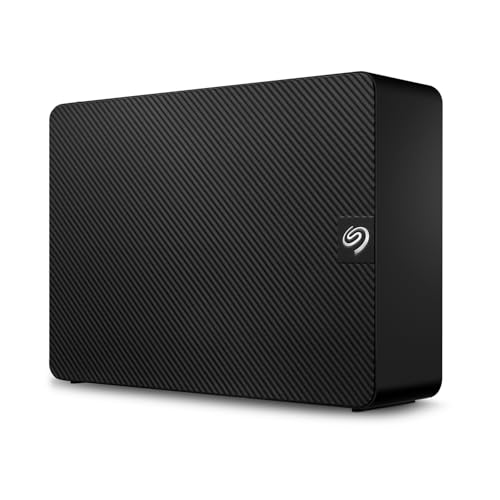
- 6TB capacity for large photo archives
- Includes Rescue Data Recovery Services
- USB 3.0 drag-and-drop setup
Best For: Home and studio photo storage
Best High-Capacity Archive

- Largest capacity at 8TB
- Plug-and-play Windows setup
- USB 2.0/3.0 connectivity
Best For: Desktop photo libraries and long-term storage
Best Simple Portable Archive
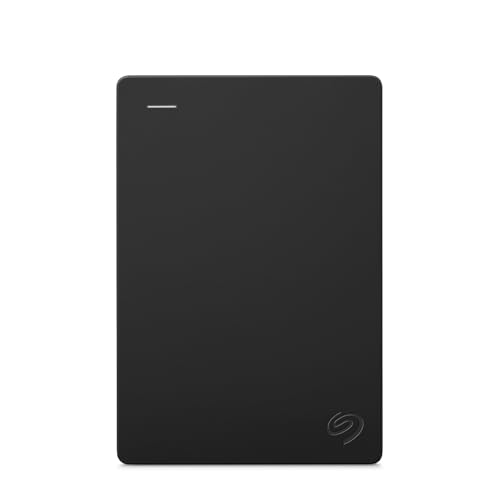
- 4TB portable storage
- Windows and Mac compatible
- Plug-and-play USB 3.0 setup
Best For: Easy photo backups and everyday portable storage
Best High-Capacity Pick
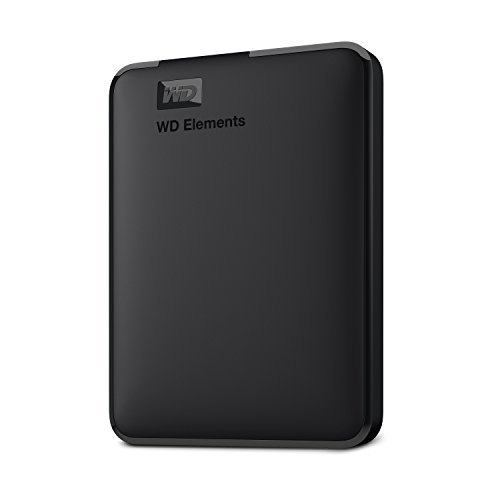
- Large 6TB capacity for extensive media libraries
- Portable plug-and-play 2.5-inch design
- USB 3.2 Gen 1 connectivity up to 5Gbps
Best For: Photographers prioritizing maximum portable storage
Best Flexible Storage Option
- 5TB capacity for photos and multimedia
- Works with Windows and Mac computers
- Simple drag-and-drop USB 3.0 setup
Best For: Photographers wanting versatile, high-capacity storage
Best Security-Focused Pick

- Slim portable design for everyday carrying
- Includes backup and device-management software
- Offers password protection and hardware encryption
Best For: Photographers prioritizing portable, protected PC storage
Best with Extra Features
WD Elements 5TB Portable Drive
- 5TB capacity for extensive photo libraries
- Portable 2.5-inch design weighs 8.32 ounces
- Plug-and-play USB 3.2 Gen 1/USB 3.0
Best For: Photographers needing ample portable storage
Best Budget Backup Pick
- Simple drag-and-drop USB 3.0 backups
- Compatible with PC and Mac
- Includes one year of Rescue Service
Best For: Photographers needing basic secondary storage
Best Compact Midrange Pick
WD Elements 2TB Portable Drive

- 2TB capacity for active photo projects
- Lightweight 4.64-ounce portable enclosure
- Plug-and-play USB 3.2 Gen 1/USB 3.0
Best For: Photographers wanting balanced portable storage
Best Compact SSD – SanDisk 1TB Portable Drive
For photographers who need external hard drives for photographers that fit easily into a pocket or small camera bag, this SanDisk portable SSD offers 1TB of storage and read speeds of up to 600MB/s. Its USB-C connectivity and compact, shock-resistant design make it practical for transferring photos and other large files on the go.
Best For: Mobile photographers who prioritize portability, fast transfers, and solid-state durability.
Pros:
- Up to 600MB/s read speeds for quicker file transfers.
- No moving parts and up to 2-meter drop protection.
- Pocket-sized design with USB-C connectivity.
- Compatible with Mac, PC, smartphones, and tablets.
Cons:
- Its 1TB capacity may be limited for large photo libraries.
- USB-C connectivity may require an adapter for some older devices.
This is a strong choice when portability and durability matter more than maximum capacity. Photographers with extensive archives may need a larger desktop drive for primary storage.
Best Recovery-Friendly Desktop Drive – Seagate Expansion 6TB
Photographers searching for external hard drives for photographers with substantial capacity may appreciate the Seagate Expansion 6TB. This desktop HDD connects over USB 3.0, supports drag-and-drop saving, and includes Rescue Data Recovery Services for added peace of mind.
Best For: Photographers who need a high-capacity desktop archive for home or studio use.
Pros:
- Provides 6TB of storage for photo and multimedia files.
- Includes Rescue Data Recovery Services.
- Automatic recognition on Windows and Mac computers.
- Simple plug-in setup with USB 3.0 connectivity.
Cons:
- The 3.5-inch desktop design requires a power adapter.
- Less convenient to carry than a portable drive.
- Listed read speed is 120MB/s, below the supplied portable SSD option.
This Seagate model is well suited to a stationary backup or working archive. Its recovery service adds reassurance, while the desktop format makes it less suitable for travel.
Best High-Capacity Archive – WD Elements Desktop 8TB
The WD Elements Desktop gives photographers considering external hard drives for photographers a spacious 8TB desktop storage option. It offers plug-and-play readiness for Windows PCs, USB connectivity, and fast data transfers for expanding a local photo archive.
Best For: Photographers who want maximum supplied capacity for a desktop-based library.
Pros:
- Largest listed capacity at 8TB.
- Plug-and-play setup for Windows PCs.
- USB 2.0 and USB 3.0 compatibility.
- Includes an AC adapter, USB cable, and two-year limited warranty.
Cons:
- Desktop form factor requires an AC adapter.
- Not designed as a pocket-sized travel drive.
- Supplied notes identify it as a mechanical hard disk.
Choose this WD drive when storage volume is the priority. It is a practical desktop archive for photographers who need room for growing collections, but a smaller portable drive is more convenient for location work.
Best Simple Portable Archive – Seagate Portable 4TB
For photographers who want external hard drives for photographers with straightforward setup and generous capacity, the Seagate Portable 4TB is a practical option. It works with Windows or Mac computers, connects through USB 3.0, and supports drag-and-drop backups without additional software.
Best For: Photographers seeking an easy-to-use portable backup drive for personal photo storage.
Pros:
- Offers 4TB of portable storage.
- Works with Windows and Mac computers.
- Plug-and-play setup with no software required.
- Includes a USB 3.0 cable and one-year Rescue coverage.
Cons:
- Supplied notes do not specify physical dimensions or weight.
- As an HDD, it may be less durable than a solid-state portable drive.
- The available storage capacity may vary.
This Seagate drive favors simplicity and capacity over specialized features. It is a sensible choice for routine computer backups and portable photo storage when an SSD is not essential.
Best High-Capacity Pick – WD Elements 6TB Portable
For photographers who need substantial room for photo libraries, video files, and other media, the WD Elements 6TB is one of the higher-capacity external hard drives for photographers. Its portable 2.5-inch design and plug-and-play USB connection make it practical for expanding storage on compatible PCs, Macs, laptops, and tablets.
Best For: Photographers prioritizing maximum portable capacity for media storage.
Pros:
- Generous 6TB capacity for photos, videos, music, and documents
- Portable 2.5-inch design with plug-and-play setup
- SuperSpeed USB 3.2 Gen 1 connection rated up to 5Gbps
Cons:
- Mechanical hard-drive design is less compact than an SSD
- Uses a USB-A connection, which may require an adapter with some newer devices
The WD Elements is a straightforward choice when capacity matters most. It offers ample space and simple connectivity, though photographers seeking solid-state durability or a smaller travel footprint may want to consider another type of drive.
Best Flexible Storage Option – Seagate Portable 5TB
The Seagate Portable 5TB is a practical option for photographers who want a large external drive that also works across computers and gaming consoles. It supports Windows and Mac systems, uses a simple USB 3.0 connection, and is designed for straightforward drag-and-drop storage and backup.
Best For: Photographers wanting flexible 5TB storage for computers and other compatible devices.
Pros:
- 5TB capacity for photos, videos, and other multimedia files
- Compatible with Windows and Mac computers
- Plug-and-play setup with an included 18-inch USB 3.0 cable
- Includes one-year Rescue Service
Cons:
- USB 3.0 connection is older than newer USB standards
- Mechanical hard-drive design may be less travel-resistant than an SSD
This Seagate drive balances generous capacity with broad compatibility and simple operation. It is a sensible media-storage choice for photographers who value convenience, although its USB 3.0 interface and HDD construction are better suited to routine storage than maximum transfer performance.
Best Security-Focused Pick – WD My Passport 2TB
The WD My Passport 2TB suits photographers who want a compact drive with extra file-protection features. It combines a slim portable design with included backup and device-management software, password protection, and hardware encryption for storing photo files on a PC.
Best For: Photographers who value portability and added protection for personal files.
Pros:
- Slim 2.5-inch portable design for carrying important files
- Includes backup and device-management software
- Password protection and hardware encryption help secure files
- Backed by a three-year limited warranty
Cons:
- 2TB capacity is smaller than the other drives in this roundup
- Mechanical HDD design is not as compact or impact-resistant as an SSD
- Best suited to PC use according to the supplied compatibility details
My Passport is a good fit for photographers who prefer a smaller everyday drive and want security tools included. Its lower capacity makes it less suitable for very large libraries, but password protection and backup software add useful convenience for personal photo storage.
Best with Extra Features – WD Elements 5TB Portable Drive
For photographers who need substantial working storage without a complicated setup, the WD Elements 5TB is a practical choice among external hard drives for photographers. It connects through USB 3.2 Gen 1/USB 3.0 and supports plug-and-play use with PC and Mac systems.
Best For: Photographers storing large photo libraries, backups, and other media files at home or on the go.
Pros:
- Generous 5TB capacity for photo storage and backups
- Portable 2.5-inch design weighing 8.32 ounces
- Plug-and-play USB connectivity for PC and Mac
- Includes a SuperSpeed USB-A cable
Cons:
- Mechanical hard-drive design may be less convenient for intensive travel than a smaller solid-state drive
- Listed read speed is 50MB/s
The combination of high capacity, compact dimensions, and simple USB operation makes this a strong everyday storage option. Its two-year limited warranty adds useful coverage for a portable photo archive.
Best Budget Backup Pick – Seagate Portable 1TB Drive
The Seagate Portable 1TB is a straightforward option for photographers seeking external hard drives for photographers at a manageable capacity. Its USB 3.0 connection supports plug-and-play setup, while compatibility with Windows and Mac makes it useful for basic backups and file transfers.
Best For: Photographers who need a compact secondary drive for personal files, selected photo projects, or travel backups.
Pros:
- Simple drag-and-drop backup workflow
- Works with Windows or Mac computers, though Mac reformatting may be required
- Includes an 18-inch USB 3.0 cable
- Includes one year of Rescue Service
Cons:
- 1TB capacity is more limited for large RAW-photo libraries
- Mac use may require reformatting
- One-year limited warranty is shorter than some alternatives in this group
With a portable form factor and uncomplicated setup, this Seagate drive fits photographers who want an accessible backup destination rather than a large archive. Its listed read speed is 120MB/s.
Best Compact Midrange Pick – WD Elements 2TB Portable Drive
The WD Elements 2TB offers a useful middle ground for photographers comparing external hard drives for photographers. It provides more room than an entry-level backup drive while retaining plug-and-play USB 3.2 Gen 1/USB 3.0 connectivity for PC use and portable storage.
Best For: Photographers who want moderate capacity for active projects, photo transfers, and routine backups.
Pros:
- 2TB capacity for photos, videos, and documents
- Small, lightweight enclosure weighing 4.64 ounces
- Plug-and-play USB connectivity
- Two-year limited warranty
Cons:
- Mechanical hard-drive design is not as shock-oriented as a solid-state drive
- Capacity may be insufficient for extensive long-term RAW archives
- Supplied notes identify PC hardware compatibility rather than Mac compatibility
This drive balances capacity and portability for photographers who do not need the larger 5TB model. Its USB 3.2 Gen 1/USB 3.0 interface and included cable keep routine file storage simple.
How We Picked the Best External Hard Drives for Photographers
We selected these drives based on the needs of real photography workflows: capacity, portability, connection compatibility, transfer performance, backup features, and overall value. The list includes compact models for travel, larger desktop drives for home studios, and versatile options that work with both Windows PCs and Macs.
We also considered whether a drive is suitable for active editing or better used as a backup destination. Portable HDDs offer more capacity for the money, while the Sandisk portable SSD is better suited to faster file transfers and mobile editing.
Quick Comparison
- Best for speed and portability: Sandisk 1TB Portable Drive
- Best for large desktop archives: Western Digital 8TB Elements Desktop
- Best high-capacity portable option: WD 6TB Elements Portable
- Best balanced portable capacity: Seagate Portable 4TB or 5TB
- Best compact backup drive: WD 2TB My Passport
- Best budget-friendly smaller option: WD 2TB Elements or Seagate 1TB Portable
Key Buying Factors for External Hard Drives for Photographers
Capacity
RAW photos, layered edits, panoramas, and 4K video can consume storage quickly. A 1TB drive may suit occasional backups, but 2TB to 5TB is more practical for an active library. Choose 6TB or 8TB when storing multiple shoots, older catalogs, and finished exports in one place.
SSD Versus HDD
SSDs are faster, quieter, lighter, and more resistant to movement, making them useful for travel and editing directly from the drive. HDDs generally provide more capacity at a lower price, so they are well suited to backups and long-term archives. For important work, keep a separate backup rather than relying on one drive.
Portability and Power
Portable drives are powered through USB and are convenient for location work, client meetings, and travel. Desktop drives usually offer greater capacity but require a wall outlet, making them better for a fixed workstation.
Compatibility and Connectivity
Check the included cable, operating-system support, and available ports on your computer. USB 3.0 and USB 3.2 Gen 1 drives are broadly compatible, but actual transfer speeds depend on the drive, computer, cable, and file sizes. Mac users may need to reformat some drives for full write access.
Backup and Recovery Features
Some Seagate models include Rescue Data Recovery Services, while the WD My Passport includes backup software and password-protection features. These extras can be valuable, but they do not replace a complete backup strategy. Follow the 3-2-1 rule: keep three copies of important files on two types of media, with one copy stored elsewhere.
Who Should Buy Which External Hard Drives for Photographers?
Traveling photographers should prioritize the compact Sandisk SSD or a portable 2TB to 5TB HDD, depending on whether speed or capacity matters more. Studio photographers with extensive libraries should consider the 6TB or 8TB desktop models for economical local storage.
Photographers building a backup system can pair a smaller portable drive with a larger Elements or Expansion drive. Users who want added protection may prefer the WD My Passport for its password protection and backup software. Whichever model you choose, maintain at least one additional copy of irreplaceable photos away from your primary drive.