
Finding the best laptop for school means balancing price, portability, battery life, performance, and the software your classes require. The right choice should handle documents, research, video calls, streaming, and everyday multitasking without unnecessary cost.
Our roundup includes practical Windows laptops, lightweight Chromebooks, and a higher-end option for students who need more performance. Use the guide below to match screen size, operating system, memory, storage, and battery expectations to your workload.
Best 10 Laptops for Students Picks for 2026
Best Everyday Windows Pick
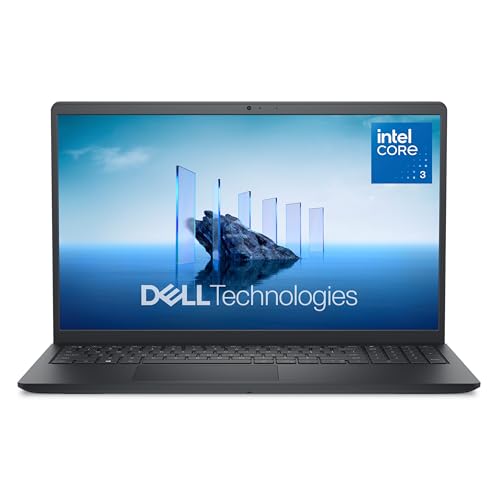
- Full-HD matte display with 120Hz refresh rate
- 512GB SSD and 8GB RAM
- Numeric keypad, Wi-Fi 6, and HDMI
Best For: Students wanting a roomy Windows laptop for everyday coursework
Best Feature-Packed Budget Option
15.6-Inch Windows 11 Student Laptop

- 12GB RAM with a 256GB SSD
- Full-HD anti-glare screen
- Backlit keyboard and Wi-Fi 6
Best For: Students wanting useful features and broad connectivity
Best for Office and Flexible Setup

- One-year Office 365 subscription included
- 180-degree lay-flat hinge
- 12GB RAM and Full HD display
Best For: Students focused on documents, presentations, and online classes
Best Long-Battery Chromebook

- Stated 14-hour battery life
- Lightweight 3.4-pound design
- Chrome OS with USB-C and HDMI
Best For: Students using browser-based tools who value portability and battery life
Best Premium Pick

- Snapdragon X2 Elite Extreme with 48GB RAM
- 16-inch 3K 120Hz OLED touchscreen
- 2.87-pound design with Wi-Fi 7 and USB4
Best For: Students needing high-end multitasking and creative-work performance
Best Budget Chromebook
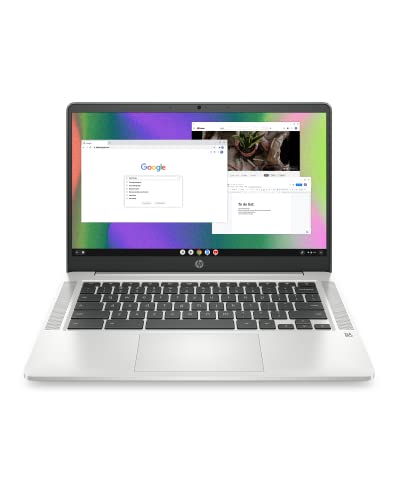
- Chrome OS with Google Play access
- Up to 14 hours of battery life
- Lightweight 14-inch anti-glare design
Best For: Students doing web-based coursework on a tight budget
Best Everyday Windows Value
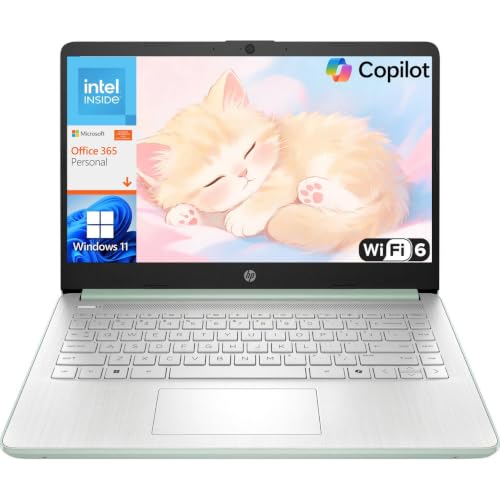
- Intel N150 processor for routine schoolwork
- Includes one year of Microsoft 365 Personal
- Portable 3.24-pound design with Wi-Fi 6
Best For: Students needing Windows and Office for everyday coursework
Best Chromebook for Students
Lenovo 14-inch Touchscreen Chromebook

- 14-inch Full HD IPS touchscreen
- Chrome OS with cloud backups and app support
- Lightweight build with Wi-Fi 6 and webcam shutter
Best For: Browser-based schoolwork, Google Classroom, and online classes
Best Windows Bundle for Students
HP 14-inch Windows 11 Pro Laptop

- Windows 11 Pro with Microsoft Office included
- 500GB external drive and useful accessories bundled
- Anti-glare display, Wi-Fi 6, and 720p webcam
Best For: Students needing Windows productivity tools and included accessories
Best Large-Screen Budget Laptop for Students
PADIX 15.6-inch FHD Windows 11 Laptop
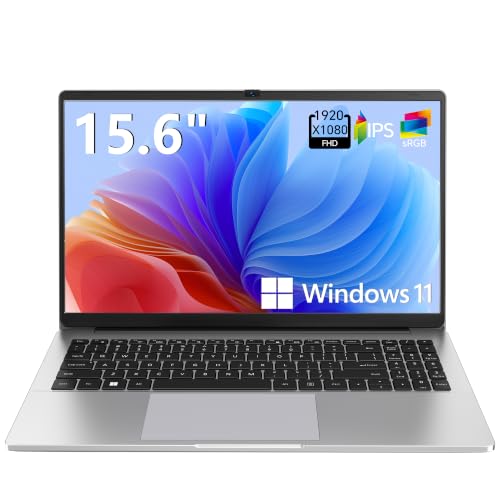
- 15.6-inch Full HD anti-glare display
- Quiet fanless design for studying
- Expandable storage and versatile USB connectivity
Best For: Basic schoolwork, spreadsheets, online classes, and home-office tasks
Best Everyday Windows Pick – Dell 15.6-Inch Student Laptop
The Dell 15.6-inch is a practical choice among laptops for students who need a full-HD Windows computer for coursework, browsing, entertainment, and everyday productivity. Its Intel Core 3 processor, 8GB of RAM, 512GB SSD, and full-size keyboard provide a balanced setup for common school tasks.
Best For: Students who want a roomy Windows laptop with ample SSD storage, a numeric keypad, and built-in service support.
Pros:
- Full-HD 15.6-inch matte display with a 120Hz refresh rate
- 512GB SSD provides useful space for documents and media
- Wi-Fi 6, Bluetooth 5.3, HDMI, and three USB ports
- ComfortView software, lifted hinges, and a numeric keypad support daily use
Cons:
- Integrated Intel UHD Graphics are intended for everyday use rather than demanding graphics work
- No touchscreen or fingerprint reader
- At 4.2 pounds, it is less portable than smaller student laptops
This Dell stands out as a sensible all-purpose school machine, particularly for students who value storage, a large display, and a comfortable typing setup over maximum portability.
Best Feature-Packed Budget Option – 15.6-Inch Windows 11 Student Laptop
This 15.6-inch Windows laptop is designed for students who want useful extras without moving to a higher-priced configuration. With 12GB of RAM, a 256GB SSD, a Full HD anti-glare screen, and a backlit keyboard, it is equipped for online classes, office software, browsing, and streaming.
Best For: College students who need a portable Windows laptop with a backlit keyboard and flexible connectivity.
Pros:
- 12GB of RAM supports everyday multitasking
- Full-HD anti-glare display with a thin-bezel design
- Backlit keyboard is useful for late-night studying
- Wi-Fi 6, USB ports, HDMI 2.1, Type-C, and expandable TF-card storage
Cons:
- 256GB SSD offers less built-in storage than some alternatives
- The listed Intel Core i3-8130U is an older processor generation
- Battery life is listed at approximately seven hours of mixed use
Its combination of memory, portability, and student-friendly features makes it appealing for routine schoolwork, especially when a backlit keyboard and multiple connection options matter.
Best for Office and Flexible Setup – 15.6-Inch FHD Student Laptop
This 15.6-inch Windows 11 laptop suits students who want school software ready to use, a flexible hinge, and a large Full HD display. It includes a one-year Office 365 subscription, an AI assistant, 12GB of RAM, and a 256GB SSD for everyday documents, browsing, and media.
Best For: Students who want Office 365 included and a screen that can open flat for presentations or collaboration.
Pros:
- One-year Office 365 subscription is included
- 180-degree hinge supports presentations and shared viewing
- 12GB RAM and a 256GB SSD support everyday multitasking
- 15.6-inch 1920×1080 display with USB-C and Mini-HDMI output
Cons:
- Intel Celeron J4105 is suited to basic workloads rather than demanding applications
- Battery life is listed at approximately six hours
- Wi-Fi 5 and Bluetooth 4.2 are older wireless standards than some competing options
The included software and lay-flat design give this laptop a practical classroom focus. It is best matched with students whose workloads center on documents, web use, video calls, and presentations.
Best Long-Battery Chromebook – HP 14-Inch Student Chromebook
The HP 14-inch Chromebook is a lightweight option among laptops for students who primarily use browser-based tools, Google services, and Android apps. Chrome OS, a quad-core Intel Celeron N4120 processor, and a stated 14-hour battery life make it well suited to portable schoolwork and everyday browsing.
Best For: Students who prioritize long battery life, simple Chrome OS operation, and an ultraportable design.
Pros:
- Stated battery life of up to 14 hours
- Lightweight 3.4-pound design with a 14-inch anti-glare display
- Chrome OS offers access to Chrome and Android apps
- USB-A, USB-C, HDMI, webcam, and headphone connectivity
Cons:
- 4GB of RAM and 64GB eMMC storage are limited for demanding multitasking or large files
- HD resolution is lower than Full HD
- Chrome OS may not support Windows-only software
This HP Chromebook is a strong fit for students who need a straightforward, travel-friendly computer for web research, online classes, documents, and streaming, provided their required software works with Chrome OS.
Best Premium Pick – ASUS Zenbook A16 OLED
For students who need more than basic web browsing, the ASUS Zenbook A16 is a powerful option among laptops for students. Its Snapdragon X2 Elite Extreme processor, 48GB of memory, fast SSD, and high-resolution OLED touchscreen are well suited to demanding multitasking, creative work, and everyday coursework.
Best For: Students who want premium performance, a large vibrant display, and extensive connectivity for school and creative projects.
Pros:
- 18-core Snapdragon processor and 48GB LPDDR5X memory support heavy multitasking.
- 16-inch 3K 120Hz OLED touchscreen offers vivid color and sharp detail.
- Light 2.87-pound design includes a 70Wh battery, Wi-Fi 7, HDMI, USB4, and an SD card reader.
Cons:
- Integrated Adreno graphics may be less suitable than a dedicated GPU for demanding 3D work.
- 512GB of storage may fill quickly with large media or project files.
The Zenbook A16 is an especially strong student laptop for users who value speed, display quality, and portability. It is likely more capability than needed for simple assignments, but its generous memory and premium screen provide useful headroom for years of demanding use.
Best Budget Chromebook – HP Chromebook 14
The HP Chromebook 14 is a straightforward choice for students focused on browser-based assignments, streaming, and everyday schoolwork. Chrome OS, a 14-inch anti-glare display, and up to 14 hours of battery life make it a practical budget entry among laptops for students.
Best For: Students who primarily use web apps, Google services, Android apps, and lightweight school tasks.
Pros:
- Chrome OS provides automatic updates, Google Play access, and a familiar Chrome-based workflow.
- Up to 14 hours of battery life and HP Fast Charge support mobile school days.
- Thin 3.2-pound design includes a 14-inch anti-glare display and multi-touch touchpad.
Cons:
- 4GB of RAM and 64GB eMMC storage limit demanding multitasking and local file storage.
- The 1366-by-768 display is less sharp than higher-resolution alternatives.
- Chrome OS may not support Windows-only desktop applications.
This HP Chromebook makes sense when affordability, battery life, and simple online access matter more than power. Its modest memory and storage are best matched with cloud-based coursework rather than large applications or extensive offline files.
Best Everyday Windows Value – HP Essential Laptop
The HP Essential Laptop balances everyday school features with a lightweight design. Its Intel N150 processor, 128GB UFS storage, Windows 11 S, included one-year Microsoft 365 Personal subscription, and built-in Copilot key make it a practical middle ground among laptops for students.
Best For: Students who need a portable Windows laptop for documents, online classes, browsing, video calls, and streaming.
Pros:
- Intel N150 processor handles browsing, document editing, streaming, and routine multitasking.
- Includes a one-year Microsoft 365 Personal subscription for Word, Excel, PowerPoint, and cloud storage.
- Lightweight 3.24-pound chassis offers Wi-Fi 6, multiple USB ports, HDMI, and an SD card reader.
Cons:
- 4GB of RAM may feel limiting with many demanding applications open.
- The 14-inch 1366-by-768 display is functional but not especially high resolution.
- Windows 11 S can restrict software installation compared with standard Windows configurations.
This HP is a sensible fit for general coursework and productivity, particularly for students who will use Microsoft Office and cloud storage. It is less appropriate for intensive editing, gaming, or workloads that require substantial memory.
Best Chromebook for Students – Lenovo 14-inch Touchscreen Chromebook
For students who primarily work in a browser, this Lenovo Chromebook combines a sharp 14-inch Full HD touchscreen with Chrome OS and built-in tools for cloud-based schoolwork. Its compact design, Wi-Fi 6, webcam privacy shutter, and support for Google Classroom and Zoom make it a practical option among laptops for students.
Best For: Students who use Google Classroom, web apps, video calls, and cloud storage for everyday schoolwork.
Pros:
- 14-inch 1920×1080 IPS touchscreen with wide viewing angles
- Chrome OS offers built-in protection, cloud backups, and access to thousands of apps
- Lightweight design at about 2.9 pounds with Wi-Fi 6 connectivity
- Webcam privacy shutter and dual-array microphones support remote learning
Cons:
- 4GB of RAM may limit heavier multitasking
- 64GB eMMC storage is modest and is best suited to cloud-based files
- Chrome OS may not support Windows-only desktop software
This is a sensible pick for browser-focused coursework and online classes, especially if portability and a touchscreen matter more than local storage or demanding software support.
Best Windows Bundle for Students – HP 14-inch Windows 11 Pro Laptop
This HP laptop is designed for students who need Windows software, Microsoft Office, and a generous storage setup. It pairs a 14-inch anti-glare display with an Intel N150 processor, Windows 11 Pro, and a bundle of accessories for school, home, or general productivity.
Best For: Students who need Windows 11 Pro, Microsoft Office, external storage, and included peripherals for everyday productivity.
Pros:
- Windows 11 Pro supports familiar desktop applications and productivity features
- Includes Microsoft Office and a bundle with a mouse, earbuds, HDMI cable, and 500GB external drive
- 14-inch anti-glare display and 720p webcam suit presentations and online classes
- Wi-Fi 6 and a quad-core Intel N150 processor support everyday web and office tasks
Cons:
- 4GB of RAM is limited for demanding multitasking
- The 1366×768 display is less sharp than a Full HD panel
- The listed storage configuration relies partly on an external drive for added capacity
The accessory bundle adds practical value for students starting from scratch, but the modest memory and HD resolution make this better suited to documents, browsing, and video calls than intensive creative workloads.
Best Large-Screen Budget Laptop for Students – PADIX 15.6-inch FHD Windows 11 Laptop
Students who prefer a larger workspace may appreciate this PADIX laptop’s 15.6-inch Full HD anti-glare display. Its Windows 11 Home system, fanless design, expandable storage, and multiple USB-C and USB-A ports cover common needs such as writing papers, browsing, online classes, and media playback.
Best For: Students who want a large Full HD screen for documents, spreadsheets, online classes, and home-office use.
Pros:
- 15.6-inch 1920×1080 anti-glare display provides a spacious study workspace
- Fanless operation supports quiet studying
- Two full-featured USB-C ports and two USB 3.2 ports offer flexible connectivity
- 128GB eMMC storage can be expanded by up to 1TB with a TF card
Cons:
- 4GB RAM and the dual-core Celeron N4020 are intended for basic tasks
- 128GB eMMC storage is slower and more limited than a larger SSD
- The 38Wh battery is relatively modest for a 15.6-inch laptop
Its spacious display and quiet operation make it appealing for everyday student work, while the entry-level processor and memory suggest keeping expectations focused on essential applications rather than intensive multitasking.
How We Picked These Laptops for Students
We focused on the features that matter most in school and college use: processor capability, RAM, storage, display quality, battery life, portability, operating system, connectivity, and overall value. The selection covers several budgets and workloads, from web-based assignments and note-taking to heavier multitasking and productivity applications.
Because student requirements vary, we did not treat the most powerful model as the automatic winner. A Chromebook can be a better value for browser-based coursework, while a Windows laptop is usually the safer choice for specialized software, traditional desktop applications, and broad file compatibility.
Quick Comparison
| Type | Best For | What to Expect |
|---|---|---|
| Budget Windows laptop | Office work, research, and general school tasks | Broader software compatibility, but performance may be modest |
| Chromebook | Web apps, Google Workspace, and lightweight study | Simple interface, strong value, and often good battery life |
| Premium Windows or ARM laptop | Heavy multitasking and long-term productivity | Faster performance and better headroom, usually at a higher price |
Key Buying Factors for Laptops for Students
Operating System and Software
Choose Windows 11 if you need Microsoft desktop programs, specialized course software, or maximum compatibility with peripherals. ChromeOS works well for browser-based classes, email, documents, and streaming, but some Windows-only applications will not run natively.
Performance and Memory
For basic schoolwork, an entry-level Intel or MediaTek processor with 4GB of RAM can be adequate, especially on a Chromebook. For Windows multitasking, 8GB of RAM is a more comfortable baseline. Students using coding tools, creative applications, large spreadsheets, or many browser tabs should consider a stronger processor and at least 16GB of memory when available.
Storage, Display, and Portability
Storage of 64GB is workable for cloud-focused Chromebook use but can feel restrictive for local files and Windows updates. A 128GB drive is a more practical minimum for many Windows users. Full HD resolution makes text and split-screen work clearer, while a 14-inch model is easier to carry and a 15.6-inch or larger screen provides more workspace.
Battery Life and Connections
Look for dependable all-day battery claims, USB-A and USB-C ports, Wi-Fi, a webcam, and HDMI if you regularly connect to classroom displays. Actual battery life depends on brightness, applications, and network use, so treat advertised figures as estimates.
Who Should Buy Which Laptops for Students?
- Choose a budget Windows model for general coursework, Office documents, online research, and familiar desktop software.
- Choose a Chromebook if your school relies on Google Workspace or web apps and you want a simple, low-cost computer with minimal maintenance.
- Choose a larger Full HD laptop if you frequently split windows, work with spreadsheets, or prefer a roomier display.
- Choose the premium ASUS Zenbook option if you need stronger multitasking performance, substantial memory, and a laptop intended to last through demanding productivity work.
- Check school requirements first if your program uses engineering, design, programming, testing, or other specialized software; compatibility should take priority over price.