
Finding a capable laptop on a limited budget is easier when you focus on the features that matter most: processor performance, usable storage, memory, display quality, and operating system.
These 10 laptops under $500 cover a range of needs, from lightweight Chromebooks and student systems to Windows laptops suited to office work, browsing, and streaming. Use the guide below to narrow your options by workload and value.
Best 10 Laptops Under 500 Picks for 2026
Best Touchscreen Pick

- 15.6-inch anti-glare touchscreen
- 8GB RAM with 256GB NVMe SSD
- Windows 11 and Wi-Fi 6
Best For: Everyday computing and touchscreen users
Best Budget Windows Bundle
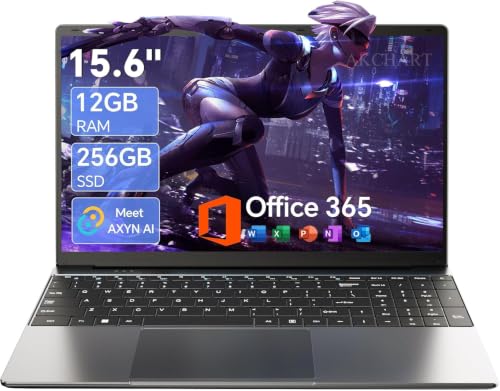
15.6-inch AI Laptop with Office
- Full HD IPS display
- 12GB RAM and 256GB SSD
- Windows 11 with Office 365
Best For: Students and basic home-office work
Best Storage and Support
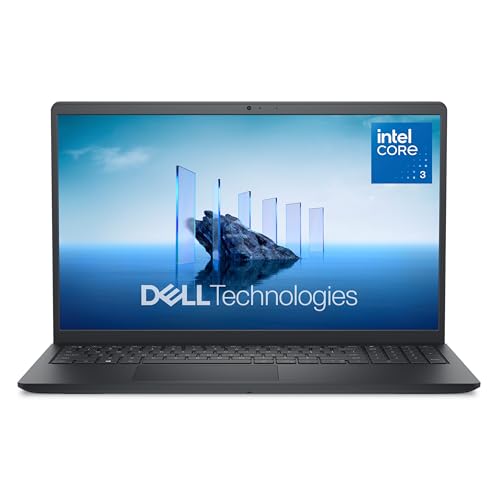
- 512GB SSD for ample storage
- Full HD 120Hz matte display
- Wi-Fi 6 and one-year onsite service
Best For: Everyday business, school, and home use
Best Budget Windows Pick
15.6-Inch FHD Windows 11 Laptop

- 15.6-inch Full HD IPS display
- Expandable storage up to 1TB via TF card
- Four USB ports, including two USB-C
Best For: Students and basic everyday computing
Best for Productivity Extras
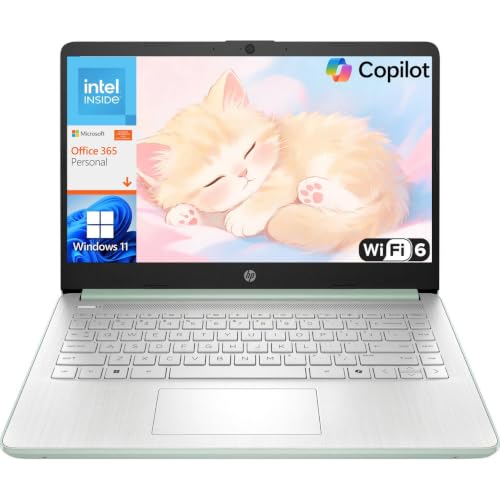
- Intel N150 processor with up to 3.6 GHz boost
- One-year Microsoft 365 Personal subscription
- Lightweight design with Wi-Fi 6 and HDMI
Best For: Portable school and office productivity
Best Touchscreen Chromebook
Lenovo 14-Inch FHD Touch Laptop

- 14-inch Full HD IPS touchscreen
- Octa-core MediaTek Kompanio 520 processor
- Lightweight Chrome OS design with Wi-Fi 6
Best For: Students and cloud-based everyday work
Best Balanced HP Pick

- Full HD anti-glare IPS display
- Lightweight 3.24-pound design
- Microsoft 365 included
Best For: Students and everyday mobile productivity
Best Budget Student Value

- 8GB RAM for everyday multitasking
- Lightweight 3.2-pound build
- Includes Office 365 and 128GB SD card
Best For: Students and light home-office work
Best Large-Screen Choice

- 15.6-inch Full HD display
- 8GB RAM with 128GB SSD
- Numeric keypad and camera shutter
Best For: Everyday work, school, and larger-screen use
Best Touchscreen Pick – HP 15.6-inch Ryzen 3 Laptop
For shoppers comparing laptops under 500, this HP offers a practical Windows 11 setup with a 15.6-inch touchscreen, Ryzen 3 processing, 8GB of RAM, and a responsive 256GB NVMe SSD. It is geared toward everyday home and productivity use rather than demanding professional workloads.
Best For: Everyday computing, web browsing, schoolwork, streaming, and users who prefer touchscreen controls.
Pros:
- 15.6-inch anti-glare HD touchscreen supports tap, swipe, and pinch controls.
- Ryzen 3 7320U processor and 8GB LPDDR5 memory provide a capable everyday combination.
- 256GB PCIe NVMe SSD should feel more responsive than a traditional hard drive.
- Includes Wi-Fi 6, Bluetooth 5.3, HDMI, USB-C, and two USB-A ports.
Cons:
- The 1366 x 768 display is less detailed than a Full HD panel.
- The USB-C port supports data transfer but not charging or external monitors.
- Integrated graphics and 8GB of memory are aimed at everyday use, not demanding gaming or creation.
This HP stands out in the laptops under 500 category for combining a touchscreen with modern wireless connectivity and an SSD. Its HD resolution is the main compromise, but it remains a sensible choice for routine Windows tasks.
Best Chromebook Value – Lenovo 14-inch Touchscreen Chromebook
This Lenovo is a strong option among laptops under 500 for students and travelers who primarily work online. ChromeOS, an eight-core MediaTek processor, and a lightweight 14-inch Full HD touchscreen make it well suited to browsing, Google Workspace, streaming, and online classes.
Best For: Students, web-based productivity, online learning, video calls, and portable everyday use.
Pros:
- 14-inch Full HD IPS touchscreen offers 1920 x 1080 resolution, 300 nits brightness, and 100% sRGB coverage.
- Lightweight 2.87-pound design is convenient for commuting and travel.
- ChromeOS provides automatic updates, built-in virus protection, and Google Workspace integration.
- Includes Wi-Fi 6, Bluetooth 5.3, USB-C with Power Delivery and DisplayPort, USB-A, and microSD expansion.
Cons:
- 4GB of RAM may limit heavier multitasking.
- 64GB eMMC storage is modest, although a microSD card can expand capacity.
- ChromeOS may not support desktop Windows applications.
The Lenovo emphasizes portability, display quality, and simple cloud-based computing. Its limited RAM and storage make it less flexible than a Windows laptop, but those who work mainly in a browser get a well-equipped touchscreen Chromebook.
Best Budget Windows Bundle – 15.6-inch AI Laptop with Office
For buyers seeking laptops under 500 with a large Full HD display and generous memory, this Windows 11 model pairs 12GB of RAM with a 256GB SSD. Its included Office 365 subscription, 180-degree hinge, and expansion options make it oriented toward schoolwork and basic business tasks.
Best For: Students and home-office users who want a Full HD screen, numeric keypad, and included productivity software.
Pros:
- 15.6-inch IPS display provides 1920 x 1080 resolution, wide viewing angles, and 300 nits brightness.
- 12GB DDR4 RAM and a 256GB M.2 SSD support everyday multitasking.
- Includes Windows 11 and an Office 365 subscription.
- 180-degree hinge, numeric keypad, USB 3.2, USB-C, Mini HDMI, and TF card expansion add flexibility.
Cons:
- The Celeron J4105 is an older quad-core processor intended for basic workloads.
- Wi-Fi 5 and Bluetooth 4.2 are less current than newer wireless standards.
- Integrated Intel UHD Graphics 600 is not designed for demanding games or graphics work.
This model offers an attractive feature mix for routine productivity, especially if the included Office 365 subscription is useful to you. The high memory capacity and Full HD IPS display are advantages, while the older Celeron platform favors modest workloads.
Best Storage and Support – Dell 15 with Core 3 Processor
This Dell is a well-rounded contender among laptops under 500 for buyers who want a conventional Windows laptop with ample storage and business-friendly features. It combines a 15.6-inch Full HD display, 512GB SSD, Intel Core 3 processor, Wi-Fi 6, and a one-year onsite service plan.
Best For: Students, home users, and everyday business tasks requiring more local storage and a numeric keypad.
Pros:
- 512GB SSD provides substantially more storage than the 256GB drives in many budget alternatives.
- 15.6-inch matte Full HD display has a 120Hz refresh rate and ComfortView software for reduced blue-light emissions.
- Intel Core 3 100U processor can boost up to 4.7GHz and is paired with Windows 11 Home.
- Includes Wi-Fi 6, Bluetooth 5.3, HDMI, three USB ports, an SD card slot, and one-year onsite service.
Cons:
- The display is not touchscreen.
- At 4.2 pounds, it is less portable than the lightweight Chromebook.
- Integrated Intel UHD Graphics are intended for everyday use rather than demanding graphics workloads.
The Dell makes a particularly practical case when storage, connectivity, and support matter more than a convertible design or touchscreen. Its Full HD display and modern wireless standards add value, while the heavier chassis is better suited to desk or campus use than frequent travel.
Best Budget Windows Pick – 15.6-Inch FHD Windows 11 Laptop
For shoppers comparing laptops under 500, this 15.6-inch Windows 11 notebook focuses on essential everyday computing. Its Full HD IPS display, expandable storage, and broad port selection make it practical for browsing, schoolwork, email, documents, and video calls.
Best For: Students, basic home computing, online learning, and office tasks.
Pros:
- 15.6-inch 1920 x 1080 IPS display with wide viewing angles.
- Includes Windows 11, 4GB DDR4 RAM, and 128GB eMMC storage.
- Storage can be expanded with a TF card up to 1TB.
- Offers two USB ports and two full-featured USB-C ports, plus a webcam.
Cons:
- 4GB of RAM and the Celeron N4020 are intended for basic workloads.
- 128GB eMMC storage may be limiting for large media libraries.
- TF card is not included.
This is a straightforward choice when a large, sharp display and Windows compatibility matter more than high-end performance. It is best suited to light multitasking rather than demanding creative or gaming software.
Best for Productivity Extras – HP Essential 14-Inch Laptop
Among laptops under 500, this HP Essential model stands out for its newer Intel N150 processor, lightweight design, and bundled Microsoft 365 Personal subscription. It is designed for everyday browsing, documents, streaming, online classes, and video calls.
Best For: Students and professionals who want a portable Windows laptop with Microsoft 365 included.
Pros:
- Intel N150 processor with up to 3.6 GHz boost, four cores, and four threads.
- Includes a one-year Microsoft 365 Personal subscription.
- Lightweight 3.24-pound design with up to 11 hours of video playback.
- Wi-Fi 6, Bluetooth 5.4, HDMI, USB-C, USB-A, and an SD card reader.
Cons:
- 4GB RAM and 128GB UFS storage limit capacity for heavier workloads.
- The 14-inch display is HD at 1366 x 768 rather than Full HD.
- Windows 11 S may restrict software installation compared with standard Windows.
The HP is a strong practical option for mobile productivity, particularly if the included Microsoft 365 subscription is valuable to you. Its display is less detailed than the other options here, but its portability, connectivity, and newer processor support everyday work well.
Best Touchscreen Chromebook – Lenovo 14-Inch FHD Touch Laptop
If you prefer Google’s lightweight operating system, this Lenovo Chromebook is a compelling option among laptops under 500. It combines a 14-inch Full HD touchscreen with Chrome OS, Wi-Fi 6, and an octa-core MediaTek Kompanio 520 processor for web-based work and learning.
Best For: Students, Google Classroom, online classes, web browsing, and cloud-focused work.
Pros:
- 14-inch 1920 x 1080 IPS touchscreen with wide viewing angles.
- Octa-core MediaTek Kompanio 520 processor is designed for everyday Chromebook use.
- Lightweight 2.86-pound design with Wi-Fi 6 connectivity.
- Includes a 720p webcam with privacy shutter, dual microphones, and a backlit keyboard.
Cons:
- Chrome OS may not support Windows desktop applications.
- 64GB eMMC storage is relatively limited.
- Only 4GB of RAM is provided.
This Lenovo makes the most sense for buyers who primarily use browser-based apps and cloud storage. The touchscreen, Full HD resolution, and low weight improve daily usability, while Chrome OS keeps the experience simple and security-focused.
Best Balanced HP Pick – HP 14-inch N150 Laptop
For shoppers comparing laptops under 500, this HP offers a useful balance of portability, display quality, and everyday functionality. Its Intel N150 processor, 4GB of DDR5 RAM, 128GB SSD, and Windows 11 are suited to basic work, browsing, streaming, and school tasks.
Best For: Students, home-office users, and travelers who want a compact Full HD laptop with Microsoft 365 included.
Pros:
- 14-inch 1920 x 1080 IPS display with anti-glare coating.
- Lightweight 3.24-pound design with a slim 0.71-inch profile.
- Useful connectivity, including USB-C, USB-A, HDMI, Wi-Fi, Bluetooth, and a microSD slot.
- Includes one year of Microsoft 365 and Windows 11.
Cons:
- 4GB of RAM is limited for heavier multitasking.
- 128GB of built-in SSD storage may fill quickly.
This HP is a practical choice when a sharper screen and easy portability matter more than extensive storage or demanding performance. The included cloud storage and Microsoft 365 add value for everyday productivity.
Best Budget Student Value – HP 14-inch Celeron Laptop
This HP is a straightforward option among laptops under 500 for browsing, documents, online learning, and streaming. It combines an Intel Celeron processor with 8GB of DDR4 RAM, 64GB of eMMC storage, and an included 128GB SD card for additional space.
Best For: Students and home-office users who prioritize low weight, everyday essentials, and expandable storage.
Pros:
- 8GB of RAM supports multiple applications and browser tabs.
- Ultra-portable 3.2-pound design with a 14-inch display.
- Includes USB-C, two USB-A ports, HDMI, headphone/microphone connectivity, and a microSD slot.
- Includes one year of Office 365 and a 128GB Ghost Manta SD card.
Cons:
- 1366 x 768 display is less sharp than a Full HD screen.
- 64GB of internal eMMC storage is modest without the included SD card.
- Windows 11 S may limit software installation choices.
The main appeal here is value and portability. It is well matched to light productivity and schoolwork, while the included SD card helps compensate for the limited internal storage.
Best Large-Screen Choice – Lenovo IdeaPad Slim 3i
For buyers seeking laptops under 500 with more screen space, the Lenovo IdeaPad Slim 3i provides a 15.6-inch Full HD display, 8GB of LPDDR5 RAM, and a 128GB SSD. Windows 11 Home and Microsoft 365 support everyday school, business, remote-work, and entertainment tasks.
Best For: Users who want a larger Full HD workspace, a numeric keypad, and modern wireless connectivity for everyday computing.
Pros:
- 15.6-inch 1920 x 1080 display provides a spacious workspace.
- 8GB LPDDR5 RAM and a 128GB SSD suit routine productivity.
- Includes a full-size keyboard with numeric keypad and camera privacy shutter.
- Supports Wi-Fi 6, Bluetooth, HDMI, and three USB ports.
Cons:
- 128GB of storage may be restrictive for large files and media libraries.
- The Intel N150 is intended for everyday use rather than demanding workloads.
- Its 15.6-inch format is less compact than a 14-inch alternative.
The IdeaPad Slim 3i stands out when screen size and built-in convenience are priorities. Its Full HD panel, numeric keypad, privacy shutter, and Wi-Fi 6 make it a well-rounded everyday laptop.
How We Picked the Best Laptops Under 500
We selected these models based on practical value rather than headline specifications alone. Our comparison considers processor generation, RAM, storage type and capacity, display size and resolution, operating system, portability, included software, and suitability for common tasks such as web browsing, video calls, schoolwork, document editing, and streaming.
Because budget laptops can differ significantly, we also separated Windows laptops from Chromebooks. ChromeOS systems often provide smooth performance for browser-based work, while Windows models offer broader software compatibility and more familiar desktop features.
Quick Comparison
| Best For | What to Look For | Recommended Type |
|---|---|---|
| School and homework | 8GB RAM, comfortable keyboard, long battery life | Windows laptop or Chromebook |
| Office and productivity | Windows 11, SSD storage, Full HD display | Windows laptop |
| Basic browsing and streaming | Fast startup, clear screen, reliable Wi-Fi | Chromebook or entry-level Windows laptop |
| Maximum portability | 14-inch display, slim chassis, modest weight | Compact Chromebook or laptop |
Key Buying Factors for Laptops Under $500
Processor and Everyday Speed
Entry-level Intel, AMD, and MediaTek processors are suitable for browsing, documents, video calls, and streaming, but they are not designed for demanding gaming or professional creative applications. Newer processor families generally offer better efficiency and responsiveness.
RAM and Storage
Choose 8GB of RAM whenever possible for smoother multitasking. Four gigabytes can work for light Chromebook use, but it leaves less room for multiple tabs and applications. An SSD or eMMC drive starts faster than a traditional hard drive. A 128GB drive is workable, while 256GB provides more breathing room for Windows updates and personal files.
Operating System and Software
Windows 11 supports a wider range of desktop programs. Chromebooks are often simpler, faster to maintain, and well suited to Google Workspace and browser-based applications. Check whether Microsoft 365 or Office is included and whether the offer is a trial or a longer subscription.
Screen, Build, and Connectivity
A Full HD display is preferable for text clarity, while a touchscreen can be useful for navigation and casual media use. Also check USB ports, wireless connectivity, webcam quality, keyboard comfort, and whether the laptop includes expandable storage or cloud storage.
Who Should Buy Which Laptops Under 500?
Students: Look for a lightweight 14-inch model or Chromebook with 8GB of RAM, dependable battery life, and a comfortable keyboard. A touchscreen can be a helpful bonus.
Home-office users: Prioritize Windows 11, an SSD, 8GB of RAM, a Full HD display, and enough ports for accessories. These features matter more than an ultra-thin design.
Casual users: A Chromebook is often the best value for email, browsing, streaming, and online documents. Choose Windows instead if you need specific desktop applications.
Budget-conscious buyers: Favor newer processors and solid-state storage over bundled extras. A slightly simpler configuration with better core hardware can remain useful longer than a heavily advertised package with limited memory.