
Choosing the right logic analyzer can save hours when debugging SPI, I2C, UART, and other digital buses. The best models make it easier to capture clean signals, decode protocols, and spot timing issues before they turn into bigger design problems.
This roundup of the best logic analyzers for SPI and I2C focuses on channel count, sampling speed, software quality, portability, and overall value so you can match the tool to your workflow.
Best 10 Logic Analyzers for Spi and I2c Picks for 2026
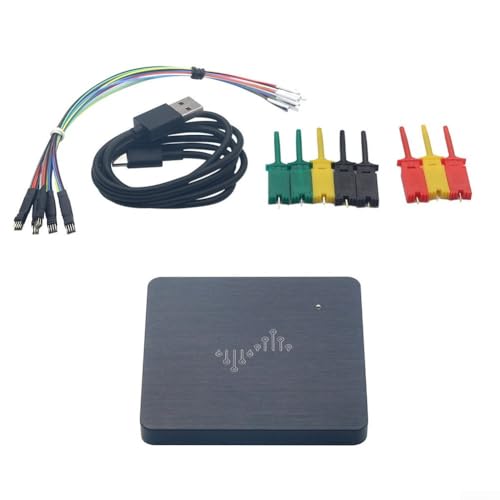
Budget USB Debug Kit
24MHz 8CH Analyzer with Hook Clips

- 24MHz 8-channel USB logic analyzer
- Includes 12 colored hook clips
- Supports UART, SPI, and IIC debugging
Best For: MCU and embedded developers needing an inexpensive SPI/IIC debug setup
High-Memory Debug Tool
DSLogic U2Basic 16-Channel Analyzer

- 16 channels with 100MHz bandwidth
- 256Mbit memory for deeper captures
- Includes rugged ABS build and ESD protection
Best For: Users needing deeper capture memory and higher bandwidth for digital protocol analysis
Premium Cross-Platform Pick

- 8 digital/analog inputs
- Decodes SPI, I2C, and 23+ analyzers
- Cross-platform support for Mac, Windows, and Linux
Best For: Developers wanting a polished, cross-platform analyzer with strong protocol decoding
Portable Multi-Protocol Analyzer

- Supports SPI, I2C, CAN, LIN, and JTAG
- 24M sampling on 8 channels
- Compact USB-powered ABS design
Best For: Technicians and developers needing a small, multi-protocol analyzer for portable debugging
Best for Easy Setup
Saleae Logic Pro 8 for SPI and I2C
- 8 multi-use inputs with SPI and I2C decoding
- Up to 500 MS/s digital and 50 MS/s analog sampling
- Works with Windows, Mac, and Linux
Best For: Engineers who want a high-end, easy-to-use analyzer with broad protocol support
Budget-Friendly Protocol Scanner

- Decodes SPI, I2C, and UART in Sigrok PulseView
- 8 channels with sample rates up to 24MHz
- Supports common 5V to 2.0V logic levels
Best For: Budget buyers who need open-source-compatible protocol decoding
Color Variant Performance Choice

- 8-channel mixed-signal capture with SPI and I2C decoding
- Up to 500 MS/s digital sampling and 50 MS/s analog
- Compatible with Windows, Mac, and Linux
Best For: Buyers who want the same Logic Pro 8 performance in a red finish
Portable Beginner Pick
MINIWARE Pocket Logic Analyzer LA104

- 4-channel handheld analyzer with color display
- 100Msa/s sampling and 10ns minimum capture pulse width
- Supports SPI, I2C, UART with battery-powered portability
Best For: Beginners and hobbyists who need a portable serial bus debugger
High-Capacity Desktop Pick
Portable DSLogic 16-Channel Analyzer
- 16 channels with up to 100MHz sampling
- 16GB depth plus streaming and buffered capture modes
- Decodes 64 protocols including I2C and SPI
Best For: Advanced debugging with deep memory and wide protocol support
Budget Software-Compatible Pick
Comidox 24MHz 8-Channel USB Analyzer

- 8 channels with up to 24MHz sampling
- Works with Saleae Logic Analyzer software and PulseView
- Decodes UART, SPI, and IIC protocols
Best For: Budget-friendly USB debugging of common serial buses
Budget USB Debug Kit – 24MHz 8CH Analyzer with Hook Clips
If you want one of the more affordable logic analyzers for spi and i2c debugging, this 24MHz 8-channel USB model is a practical starter option. It is aimed at MCU, ARM, FPGA, and Arduino-style workflows, and the included hook clips make it easier to connect to small test points during protocol checks.
Best For: MCU and embedded developers who want a low-cost SPI/IIC debug kit with probe clips included.
Pros:
- Supports UART, SPI, and IIC protocol debugging
- Includes 12 SMD IC test hook clips in 6 colors
- Works with Logic analysis software and open-source tools like sigrok
- Backed by tutorial materials and support resources
Cons:
- 24MHz class hardware is better suited to basic and mid-level debugging
- Best fit is for users who are comfortable with software setup
Overall, this is a value-focused choice for hands-on protocol troubleshooting rather than high-end capture work. The included accessories and documentation help make it easier to get started with common embedded bus analysis.
High-Memory Debug Tool – DSLogic U2Basic 16-Channel Analyzer
For engineers comparing logic analyzers for spi and i2c work, the DSLogic U2Basic stands out for its 16 channels, 100MHz bandwidth, and 256Mbit memory. Those specs make it a stronger pick when you need more capture depth and bandwidth for digital signal protocol analysis and engineering debugging.
Best For: Users who want a higher-performance USB logic analyzer with deeper memory for demanding digital protocol captures.
Pros:
- 16 channels with up to 100MHz bandwidth
- 256Mbit memory supports longer captures
- Real-time sampling up to 6 Gbps is highlighted in the product notes
- Rugged ABS housing and ESD protection add durability
Cons:
- More advanced than basic entry-level analyzers
- Buyer should verify compatibility and capture requirements before ordering
This is the most capability-focused option in the group, especially if you need depth and bandwidth rather than just a simple bus sniffer. It is well suited to recurring lab use where reliability and capture resources matter.
Premium Cross-Platform Pick – Saleae Logic 8 Black
Among logic analyzers for spi and i2c, the Saleae Logic 8 is the premium, polished option in this list. It offers 8 digital/analog inputs, protocol decoding for SPI and I2C, and cross-platform support for Mac, Windows, and Linux, making it a strong fit when workflow polish matters.
Best For: Developers who want a well-known cross-platform analyzer with built-in SPI and I2C decoding.
Pros:
- Decodes SPI, I2C, and 23+ additional analyzers
- Up to 100 MS/s digital sampling and 10 MS/s analog sampling
- 8 digital/analog inputs for flexible use
- Works across Mac, Windows, and Linux
Cons:
- Only 8 inputs, so it is less channel-heavy than some alternatives
- USB 2.0 based design may not appeal to buyers seeking the newest hardware class
This model makes sense when you want a dependable, established platform for protocol work instead of a bare-bones budget tool. Its software ecosystem and cross-platform compatibility are key advantages for regular lab use.
Portable Multi-Protocol Analyzer – 24M Sampling USB Logic Tool
If you need logic analyzers for spi and i2c plus other buses, this compact USB model is built around broad protocol support and easy portability. It covers UART, I2C, SPI, CAN, LIN, and JTAG, while its small ABS body and USB-powered design make it convenient for field and bench debugging.
Best For: Technicians and developers who need a compact analyzer for multi-protocol debugging on the go.
Pros:
- Supports UART, I2C, SPI, CAN, LIN, and JTAG
- 24M sampling rate on 8 channels with 5MHz bandwidth
- Compact 56 x 27 x 14 mm body and 43 g weight
- USB-powered with broad OS compatibility listed
Cons:
- 5MHz bandwidth is modest compared with higher-end analyzers
- Best suited to practical debugging rather than high-speed capture work
This is a convenient grab-and-go choice for mixed-protocol troubleshooting, especially when space and portability matter. The wide protocol list makes it useful beyond SPI and I2C alone.
Best for Easy Setup – Saleae Logic Pro 8 for SPI and I2C
If you need a logic analyzer for SPI and I2C that can also cover a wider range of digital and analog debugging, the Saleae Logic Pro 8 is built for that kind of work. It offers 8 multi-use inputs, very high digital and analog sample rates, and cross-platform support for Windows, Mac, and Linux, making it a flexible choice for serious bench use.
Best For: Developers who want a high-performance, easy-to-use analyzer for protocol decoding and mixed-signal capture.
Pros:
- Decodes SPI, I2C, and 23+ additional analyzers
- Up to 500 MS/s digital sampling and 50 MS/s analog sampling
- Cross-platform support for Mac, Windows, and Linux
- Uses PC memory for very large capture capacity
Cons:
- Premium option compared with basic USB analyzers
- More capability than some simple SPI/I2C-only projects need
Overall, this is the strongest all-around choice here if you want a polished tool that handles SPI and I2C decoding plus more advanced mixed-signal work. Its speed, software compatibility, and large capture depth make it well suited to demanding debugging sessions.
Budget-Friendly Protocol Scanner – 24MHz 8-Channel USB Analyzer
For shoppers comparing logic analyzers for SPI and I2C on a tighter budget, this 24MHz 8-channel USB protocol analyzer covers the core basics. It works with Sigrok PulseView and supports decoding common protocols like UART, I2C, and SPI, while offering selectable sample rates to match different digital projects.
Best For: Hobbyists and developers who want a practical open-source-compatible analyzer for routine protocol decoding.
Pros:
- Supports SPI, I2C, and UART decoding
- Works with Sigrok PulseView open-source software
- 8 channels with selectable sample rates from 24MHz down to 25KHz
- Wide logic-level support for 5V, 3.3V, 2.5V, and 2.0V systems
Cons:
- 24MHz max sampling is far below premium analyzers
- Not recommended for 1.8V systems
This model makes sense when you want a straightforward tool for everyday digital debugging rather than top-tier performance. The broad voltage compatibility and software support help it fit many microcontroller and FPGA projects.
Color Variant Performance Choice – Saleae Logic Pro 8 Red
This red Logic Pro 8 is another strong option for logic analyzers for SPI and I2C, with the same core performance profile as the black version. It includes 8 digital/analog inputs, decodes SPI and I2C along with 23+ other analyzers, and supports Windows, Mac, and Linux for flexible lab and field use.
Best For: Users who want the Logic Pro 8 platform in a red finish with the same high-speed capture features.
Pros:
- 8 multi-use inputs for digital and analog capture
- Decodes SPI, I2C, and 23+ more analyzers
- Up to 500 MS/s digital and 50 MS/s analog sampling
- Cross-platform support for Mac, Windows, and Linux
Cons:
- Functionally very similar to the black version
- May be more analyzer than simple hobby projects require
If you already like the Logic Pro 8 feature set, this version gives you the same capture and decoding strengths in a different color. It is a capable mixed-signal tool for detailed protocol work, especially when high sample rates matter.
Portable Beginner Pick – MINIWARE Pocket Logic Analyzer LA104
If you want a compact logic analyzer for SPI and I2C work, the MINIWARE LA104 is built around portability and beginner-friendly use. It offers 4 channels, up to 100Msa/s sampling, and built-in protocol support for SPI, I2C, and UART, making it a practical fit for quick bench checks and field troubleshooting.
Best For: Beginner hobbyists, students, and repair users who want a handheld analyzer for basic serial bus debugging.
Pros:
- 4-channel handheld design with a 2.8-inch color display
- 100Msa/s max sampling rate with 10ns minimum capture pulse width
- Built-in rechargeable battery and 8MB storage for waveform export
- Supports SPI, I2C, and UART protocol testing
Cons:
- Only 4 channels, so it is less suited to larger signal sets
- Small screen and handheld format may not suit every workflow
- Must not be charged during measurement
This is a solid entry-level option if you value portability and straightforward serial-bus decoding over a full desktop setup. The battery-powered design and built-in screen make it easy to carry, while the protocol support covers the basics most beginners need.
High-Capacity Desktop Pick – Portable DSLogic 16-Channel Analyzer
For more demanding logic analyzers for spi and i2c debugging, this DSLogic model focuses on deeper capture, wider channel count, and broad protocol decoding. It supports up to 100MHz sampling, 16 channels, and 16GB depth, so it is aimed at longer traces and more complex digital systems.
Best For: Developers and advanced users who need high channel count and deep memory for extended protocol analysis.
Pros:
- 16 channels with up to 100MHz sampling rate
- 16GB depth and dual-mode operation for streaming or buffered capture
- Adjustable thresholds for 1.2V, 1.8V, 2.5V, 3.3V, and 5.0V systems
- Supports 64 open-source protocols including I2C, SPI, UART, CAN, and USB packet analysis
Cons:
- More complex than entry-level handheld analyzers
- Primarily designed for Windows compatibility
- Heavier metal construction makes it less pocket-friendly
This model stands out when you need more capture depth and broader decoding than a basic hobby analyzer can offer. The combination of 16 channels, voltage flexibility, and protocol coverage makes it better suited to serious debugging sessions.
Budget Software-Compatible Pick – Comidox 24MHz 8-Channel USB Analyzer
If you need an affordable logic analyzer for spi and i2c protocol checks, this 8-channel USB model covers the essentials without unnecessary extras. It is compatible with Saleae Logic Analyzer software and PulseView, and it supports UART, SPI, IIC, and other communication debugging at up to 24MHz.
Best For: Budget-conscious makers and developers who want a simple USB analyzer for common digital buses.
Pros:
- 8 digital channels with up to 24MHz sampling
- Compatible with Saleae Logic Analyzer software and PulseView
- Supports UART, SPI, and IIC protocol decoding
- Includes USB cable and Dupont lines in the package
Cons:
- Lower sampling rate than higher-end analyzers
- Basic 1.5V threshold may not suit every signal level
- Not as feature-rich as deeper-memory or handheld models
This is a straightforward choice for routine serial bus work when software compatibility matters more than advanced hardware features. It gives you enough channels and decoding support for common troubleshooting tasks at a low-friction entry point.
How We Picked These Logic Analyzers for Spi and I2c
We focused on specs and usability that matter most for digital protocol work: sampling rate, channel count, protocol decoding support, memory depth, software compatibility, and portability. For Logic Analyzers for Spi and I2c, reliable capture and clear software often matter more than headline speed alone.
We also favored options that fit different buyer types, from affordable USB analyzers for routine troubleshooting to higher-performance tools for dense buses and longer captures.
Quick Comparison: What Matters Most
If you need basic SPI or I2C debugging, an 8-channel USB analyzer is usually enough. If you work with faster clocks, more signals, or longer capture windows, step up to a 16-channel model with higher sampling and deeper memory. Portable handheld units are useful for field work, but desktop software and decoder stability are often better on PC-based analyzers.
Key Buying Factors for Logic Analyzers for Spi and I2c
Sampling Rate and Signal Speed
A good rule is to sample at several times the bus clock rate so edges and transitions are captured cleanly. Faster SPI buses especially benefit from higher sampling rates and better timing resolution.
Channel Count
Eight channels cover many common SPI and I2C jobs, including clock, data, chip select, and a few extra signals. Choose 16 channels if you need to monitor multiple buses or correlate protocol activity with control lines.
Software and Decoding
The software experience can make or break a logic analyzer. Look for dependable protocol decoders, easy triggering, export options, and support for your operating system. Clear waveforms and stable updates are especially important for beginners.
Memory Depth and Capture Length
Deeper memory helps you record longer events without losing detail. This is valuable when debugging intermittent I2C failures, startup sequences, or protocol activity that happens only after a long delay.
Portability and Power
USB analyzers are ideal for bench use and frequent computer-based debugging. Handheld models are better if you need quick checks on the go or want a self-contained tool for field service.
Who Should Buy Which Logic Analyzers for Spi and I2c?
Hobbyists and students can usually start with a budget 8-channel USB analyzer. Makers and embedded developers who want a smoother workflow may prefer a midrange PC-connected model with better software. Professionals handling demanding systems, faster buses, or longer traces should look at higher-end analyzers with more channels, better sampling, and deeper capture memory.
For most users, the best choice is the analyzer that gives you enough channels and sample rate for your actual buses, plus software you will enjoy using regularly.