
Choosing the right pump can make a big difference in how well your RC boat stays cool and performs on the water. The best options balance flow, fit, voltage range, and low noise without adding unnecessary complexity.
Below, we focus on practical buying factors so you can match an RC boat water pump to your setup, whether you need simple plug-and-play cooling or a compact part for a custom build.
Best 10 Rc Boat Water Pumps Picks for 2026
Plug-and-Play 370 Cooling Pump

- JR plug for direct receiver connection
- 3-6V pump with step-down support
- Low-noise metal pump for RC boats
Best For: RC boat builders who want an easy, receiver-powered cooling pump
Reversible Mini DIY Pump
Micro 360 Pump with Copper Nozzle

- Reversible flow via power polarity swap
- Self-priming mini pump for DIY models
- Supports 3.7-7.4V lithium-style power
Best For: DIY RC boat and hydraulic model builders
Switch-Control 370 Pump

- JR plug for direct receiver connection
- Built-in on/off switch for cooling control
- Low-noise 3-6V pump for RC boats
Best For: Boat owners who want simple pump control and receiver power
Multi-Size Water Cooling Pump
Miniature DC Pump for RC Boats

- Fits 15mm, 26mm, and 40mm calibers
- JST plug for easier RC receiver hookup
- Low-noise pump with long run-time claims
Best For: RC hobbyists needing a compact pump with multiple size options
Step-Down Waterproof Pump Pick
FainWan 5V 370 Water Cooling Pump with JR Plug

- Automatic step-down module to 5V
- Waterproof and low-noise design
- JR plug for receiver connection
Best For: RC boat owners who want simple wiring and stable cooling
Self-Priming Cooling Pump Choice
Changor 370 Miniature RC Water Cooling Pump
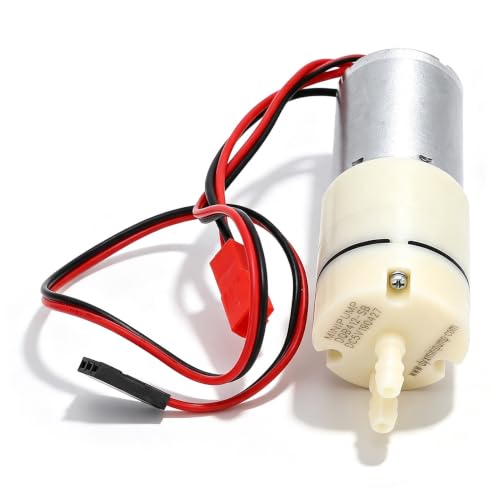
- Self-priming miniature DC pump
- JST plug for 5V-7.4V hookup
- Fits 15mm, 26mm, and 40mm calibers
Best For: Builders who want compact cooling with easy plug-in power
Switch-Control Cooling Option
RC Boat 370 Water Cooling Pump with JR Plug
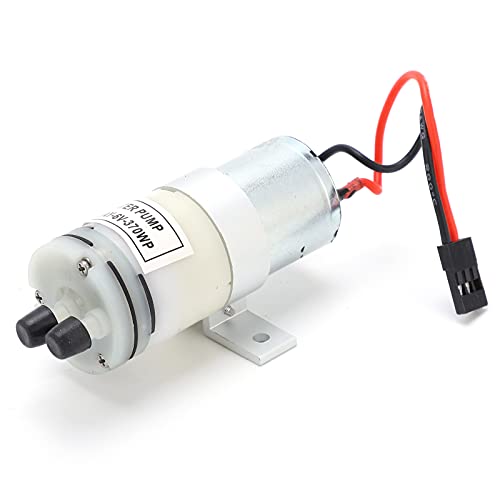
- JR plug draws power from the receiver
- Built-in switch adds on/off control
- Low-noise design for RC boats
Best For: Setups that need direct receiver power and manual pump control
Compact High-Efficiency Cooling Pump
370 RC Water Cooling Pump for 15mm-40mm Boats

- 5V–7.4V 370 pump with JST plug
- Low-noise, high-efficiency cooling design
- Fits 15mm, 26mm, and 40mm caliber boats
Best For: Simple electric motor water-cooling installs on common RC boats
Easy-Power JR Plug Pump
370 RC Water Pump with 15-Hour Stability

- 3V–6V pump with JR plug power connection
- Low-noise design for quieter operation
- Reported 15-hour normal operation at 5V
Best For: Boats that need straightforward receiver-powered motor cooling
Ready-to-Run Mini Pump
370 RC Water Pump with JST Plug
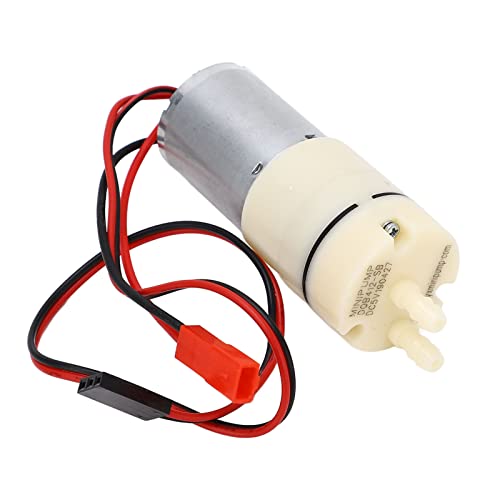
- 5V–7.4V pump with built-in JST plug
- Lightweight 62g build for RC boats
- Includes 10cm JST and 30cm receiver wires
Best For: Builders who want an easy-install pump for standard RC cooling systems
Plug-and-Play 370 Cooling Pump – LZKW 3-6V Metal Mini Pump
If you want rc boat water pumps that are simple to wire and built for direct receiver hookup, this LZKW 370 pump is a practical fit. It uses a JR plug, runs on 3-6V, and is described as a waterproof metal pump made for RC boats that need water-cooling support.
Best For: RC boat owners who want a plug-and-play cooling pump with low-noise operation and easy receiver power.
Pros:
- JR plug makes it easy to connect directly to the receiver.
- Rated for 3-6V and can be used with a step-down module for higher-voltage batteries.
- Low-noise 370 pump designed for RC boats with water-cooled motors.
- Reported continuous operation for 15+ hours at 5V in testing.
Cons:
- Gets hot during operation, even though the notes say this is normal.
- Best suited to boats that already match this style of cooling setup.
- Metal build may be heavier than simpler plastic mini pumps.
This is a straightforward option if you value easy installation and receiver-powered convenience over extra customization. It is best viewed as a cooling pump for practical RC use, not a highly specialized performance upgrade.
Reversible Mini DIY Pump – Micro 360 Pump with Copper Nozzle
Among rc boat water pumps aimed at DIY use, this Micro 360 unit stands out for its reversible flow and flexible power options. It has a plastic gear, copper nozzle, and self-priming design, making it suitable for hobby projects where you want a compact pump with simple battery support.
Best For: DIY hobbyists who need a small reversible pump for RC boat or hydraulic model projects.
Pros:
- Positive and negative power swap can reverse water flow.
- Self-priming design helps with pump performance.
- Works with rechargeable toy batteries, 18650 batteries, and 3.7-7.4V lithium batteries.
- Compact mini size with a copper nozzle for model use.
Cons:
- Listed as a DIY part, so it is not a finished RC cooling kit.
- No batteries are included.
- Plastic gear construction may not suit users wanting a metal pump.
This is a flexible choice if you want a small pump for tinkering and custom setups rather than a plug-and-play marine accessory. The reversible flow feature is especially useful for experimentation and model hydraulics.
Switch-Control 370 Pump – RC Water Pump with JR Plug
This RC water pump is a useful pick if you want a compact cooling accessory for RC boats with water-cooled motors. It uses a JR plug, runs on 3-6V, and includes an on/off switch between the pump and power supply, which makes it easier to manage water flow during runs.
Best For: RC boat users who want an easy-to-control cooling pump with direct receiver power.
Pros:
- JR plug supports direct receiver power and simpler installation.
- Built-in on/off switch adds easy control over cooling.
- Designed for RC boats with water-cooled motors and no water-absorbing rudders.
- Low-noise design is intended to reduce audible vibrations.
Cons:
- Like similar 370 pumps, it may run warm during use.
- Only fits boats that match this cooling style.
- No batteries are included.
Overall, this is a practical convenience-focused option for boat owners who want direct power and basic cooling control. The switch feature makes it a good fit for users who prefer to turn the pump on only when needed.
Multi-Size Water Cooling Pump – Miniature DC Pump for RC Boats
If you are comparing rc boat water pumps for different hull or intake sizes, this miniature DC pump is worth a look. It is described as compatible with 15mm, 26mm, and 40mm calibers, and it focuses on low-noise cooling for RC model boats and marine hobby setups.
Best For: RC hobbyists who want a compact cooling pump with multiple size compatibility options.
Pros:
- Compatible with 15mm, 26mm, and 40mm calibers.
- Low-noise design supports quieter RC operation.
- Includes a JST plug for easier receiver connection.
- Notes claim it can run continuously up to 15 hours at 5V.
Cons:
- Material is plastic, not metal.
- Voltage is listed as 7.4V in the details, so buyers should confirm their setup.
- No batteries are included.
This pump is a solid fit when you want size flexibility more than premium materials. Its quiet operation and multi-size compatibility make it useful for a range of RC boat cooling projects.
Step-Down Waterproof Pump Pick – FainWan 5V 370 Water Cooling Pump with JR Plug
If you need an rc boat water pumps option that’s simple to wire and built for continuous cooling, this FainWan 370 pump is a practical fit. It includes a step-down module that automatically changes voltage to 5V when the input goes above 3-6V, and the waterproof design helps it work well in water.
Best For: RC boat builders who want an easy receiver-friendly pump with automatic voltage control and low-noise operation.
Pros:
- Step-down module automatically adjusts to 5V when voltage exceeds the supported range.
- Waterproof design is intended to work well in water.
- JR plug makes receiver connection straightforward.
- Low-noise design is meant to improve the playing experience.
Cons:
- Designed around a 3-6V range with step-down behavior, so it’s not a universal power solution.
- Product details are fairly basic on included components.
This is a straightforward cooling accessory for boat setups that need dependable runtime and simple installation. The long-duration 5V operation note and waterproof construction make it appealing for hobbyists prioritizing stability over extra features.
Self-Priming Cooling Pump Choice – Changor 370 Miniature RC Water Cooling Pump
This rc boat water pumps option is aimed at builders who want a compact cooling pump with easy electrical hookup. The Changor 370 is described as a self-priming miniature DC pump with a JST plug, and it’s intended to circulate water through a cooling ring to help regulate motor temperature.
Best For: Hobbyists looking for a compact self-priming pump with a JST connection and broad fitting compatibility.
Pros:
- Self-priming design is made for circulating cooling water in RC boats.
- JST plug allows direct 5V-7.4V power connection.
- Supports long-running use at 5V, according to the product notes.
- Compatible with 15mm, 26mm, and 40mm caliber fittings.
Cons:
- Best suited to cooling setups rather than general-purpose pumping.
- Pipe fit is specified around 3-4mm inner diameter tubing.
Overall, this pump focuses on practical cooling performance and easy installation. If your boat needs a compact circulation pump that can pair with common fittings and run quietly, it’s a useful option to consider.
Switch-Control Cooling Option – RC Boat 370 Water Cooling Pump with JR Plug
For buyers comparing rc boat water pumps, this 370 cooling pump stands out for its built-in switch and receiver-friendly JR plug. It’s designed for remote control boats that need water cooling with water-cooled motors and do not have water-absorbing rudders, making it a targeted accessory rather than a general pump.
Best For: RC boat setups that need controlled on/off operation and direct receiver power.
Pros:
- JR plug allows direct power from the receiver.
- Built-in switch between the pump and power supply adds control.
- Designed for boats that need water cooling but lack water-absorbing rudders.
- Low-noise operation is intended for a quieter experience.
Cons:
- Product details do not specify broader fitting or tubing compatibility.
- Uses a fairly focused design for specific cooling setups.
This is a practical choice if you want more control over when the pump runs. Its simple receiver hookup and quiet operation make it a strong match for dedicated cooling systems in RC boats.
Compact High-Efficiency Cooling Pump – 370 RC Water Cooling Pump for 15mm-40mm Boats
If you’re shopping for rc boat water pumps to keep an electric model motor cool, this 5V–7.4V 370 pump is built around simple plug-in installation and steady circulation. It’s aimed at boats that use water cooling rings, with a compact design that fits common 15mm, 26mm, and 40mm caliber setups.
Best For: RC boat owners who want a low-noise, easy-to-install cooling pump for standard electric motor water-cooling setups.
Pros:
- JST plug can connect directly for quick power hookup.
- Rated for 5V–7.4V use and described as low-noise and high-efficiency.
- Works with 15mm, 26mm, and 40mm caliber RC boat applications.
- Built from plastic and iron for added wear resistance and durability.
Cons:
- Designed for electric motor cooling, not general-purpose pumping.
- Uses a 4.2mm outlet, so tubing size needs to match the listed 3–4mm inner diameter range.
This is a straightforward option if you want a compact pump that focuses on fit, efficiency, and simple wiring. The long-run 5V performance note is especially useful for extended testing or racing sessions.
Easy-Power JR Plug Pump – 370 RC Water Pump with 15-Hour Stability
This rc boat water pumps option is built for models that need water cooling but don’t use a water-absorbing rudder. The 3V–6V 370 pump uses a JR plug for direct receiver power, making it a practical pick when you want a low-noise cooling solution with minimal setup.
Best For: RC boat builders who want a receiver-powered water pump with easy installation and stable long-run operation.
Pros:
- JR plug allows direct receiver power for easier setup.
- Low-noise design supports a quieter running experience.
- Reported to run normally for 15 hours at 5V without interruption.
- Includes an easy on/off switch tip for simple control.
Cons:
- Intended for boats that need water cooling and do not have water-absorbing rudders.
- Power range is limited to 3V–6V, so it’s not as flexible as higher-voltage options.
If your priority is convenience, this pump stands out for its direct receiver hookup and simple control approach. The stability note at 5V also makes it appealing for longer sessions where consistent cooling matters.
Ready-to-Run Mini Pump – 370 RC Water Pump with JST Plug
For buyers comparing rc boat water pumps, this 5V–7.4V 370 model is built for quick installation and reliable cooling in standard RC boat setups. The built-in JST plug, light weight, and included wire lengths make it a convenient choice for getting a water-cooling system running without extra wiring work.
Best For: RC boat owners who want a lightweight, ready-to-use cooling pump with simple plug-in installation.
Pros:
- Built-in JST plug supports direct connection to a receiver tee.
- Designed for electric regulator water cooling in RC boats.
- Claimed to run over 15 hours on continuous 5V load without overheating.
- Includes 10cm JST wire and 30cm receiver wire for easier integration.
Cons:
- Primarily intended for cooling applications rather than broader pumping uses.
- Compatibility still depends on matching the 4.2mm outlet and 3–4mm ID tubing.
This pump is a strong fit if you want the least fuss during installation and a compact setup that doesn’t add much weight. The included wiring and standard mount compatibility help keep the build clean and manageable.
How We Picked Rc Boat Water Pumps
We focused on pumps that make sense for real RC use: compatible voltage, compact size, useful connector options, and cooling performance for motors and ESCs. We also favored models with simpler installation, since a pump that is easy to mount and wire is usually the better long-term choice.
Because buyers often use these pumps in different hull sizes and layouts, we looked for options that cover common RC boat needs rather than a single niche application.
Quick Comparison
Most Rc Boat Water Pumps in this roundup fall into two broad groups: 3-6V pumps for basic low-voltage setups and 5V-7.4V pumps for more flexible builds. Some are better suited to tight spaces and lightweight hulls, while others are a stronger fit for larger boats or custom cooling loops. Connector style also matters, especially if you want true plug-and-play installation.
Key Buying Factors for Rc Boat Water Pumps
Voltage and Power Compatibility
Always match the pump to your battery, BEC, or receiver power source. A pump that runs well on 3-6V may be ideal for smaller systems, while 5V-7.4V models can better suit more demanding setups. Incorrect voltage matching can lead to weak flow or premature failure.
Flow and Cooling Demand
Not every RC boat needs the same cooling output. High-power motors and ESCs generally benefit from stronger circulation, while smaller boats may do better with a compact, lower-draw pump. Choose enough flow to keep temperatures under control, but avoid oversizing if space and power are limited.
Size, Mounting, and Plumbing Fit
Check the pump body size, inlet/outlet diameter, and whether it works with your boat’s available routing space. The best Rc Boat Water Pumps are easy to place near the water pickup and simple to connect to the cooling path without sharp bends or leaks.
Noise, Durability, and Maintenance
Low noise is nice, but durability matters more. Look for stable construction, reasonable sealing, and materials that can handle vibration and moisture. If you race or run often, choose a model that is easy to inspect and replace when needed.
Who Should Buy Which Rc Boat Water Pumps?
If you want a straightforward upgrade for a stock boat, choose a plug-and-play 3-6V pump with a common connector. If you’re building a custom setup or need more voltage flexibility, a 5V-7.4V pump may be the better choice. For compact hulls, prioritize small size and easy routing; for higher-output boats, prioritize flow, reliability, and cooling capacity over the smallest possible footprint.
In short, the best choice depends on your boat’s power system, available space, and how hard you run it. Match those three factors first, and you’ll narrow the field quickly.