
Choosing the right RC glider is easier when you know what matters most: wing strength, flight stability, and how much setup you want to handle.
This roundup of rc gliders with carbon fiber wings highlights options for casual flying, training, FPV use, and DIY projects so you can match the model to your skill level and goals.
Best 10 Rc Gliders with Carbon Fiber Wings Picks for 2026
Swift Build Glider

- Carbon fiber reinforcement throughout the model
- Folding propeller with functional flaps
- Glue-free assembly; 3S/4S battery support
Best For: Beginner pilots wanting a larger glider with reinforced construction
DIY Reinforcement Pack

- 6mm x 150mm carbon fiber rods
- Good for wing and tail reinforcing
- Can be cut to length for DIY builds
Best For: Builders and repair users needing short reinforcement rods
Stability Trainer Glider

- 6-axis gyro with 4-channel control
- Three flight modes from beginner to expert
- Includes 3 batteries and a 5-port charger
Best For: New pilots who want a stable ready-to-fly outdoor glider
Long-Run Wing Rods
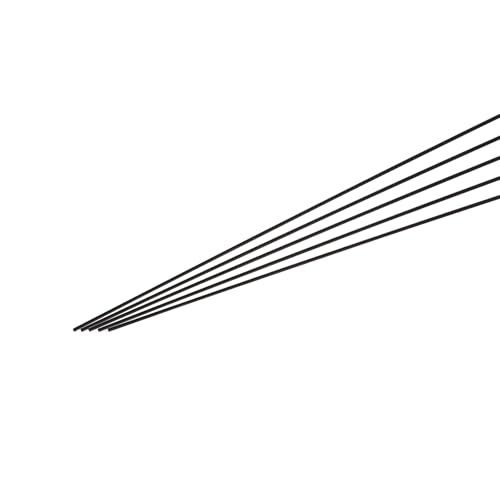
- 500mm length for longer reinforcement runs
- Lightweight carbon fiber construction
- Good for wings, tails, and DIY repairs
Best For: Lightweight glider builders needing long thin reinforcement rods
Vertical-Fly Trainer
GoolRC WLtoys XK X450 3-Mode RC Glider
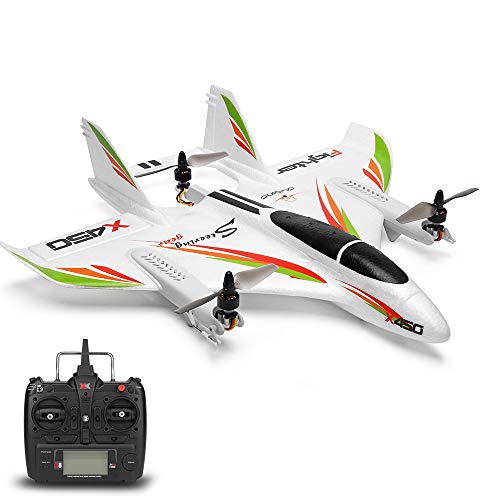
- 3 flight modes for training and variety
- Carbon fiber rod reinforcement in EPO body
- Altitude hold and 6-axis stabilization
Best For: Adults learning with a stable, multi-mode RC glider
FPV Delta Wing Build
E42 EPP Flying Wing RC Glider Kit

- 1114mm wingspan for stable gliding
- EPP foam build for crash resistance
- Kit or power-combo setup options
Best For: Adult hobbyists who want a DIY FPV flying wing
Reinforced Vertical Flyer
GoolRC WLtoys XK X450 Carbon Fiber RC Glider

- Built-in carbon fiber rod reinforcement
- 3 flight modes with 3D/6G switching
- 6-axis gyroscope with altitude hold
Best For: Adult flyers wanting a reinforced, multi-mode trainer
Carbon-Reinforced FPV Wing
Buddy RC Sonic Modell AR Wing Classic

- Built-in carbon fiber spar for added strength
- Spacious bay for FPV gear and controllers
- Supports multiple FPV and HD camera mounts
Best For: Skilled FPV pilots needing a reinforced wing platform
Carbon-Fiber Trainer Glider
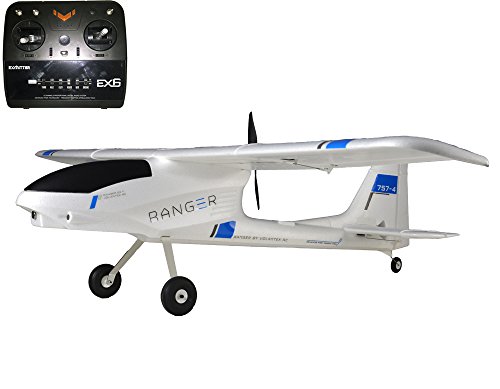
- Carbon fiber, foam, and plastic build
- FPV-friendly with big fuselage space
- Includes battery, charger, and brushless motor
Best For: FPV training and easy setup with a stable glider
Lightweight Foam Glider
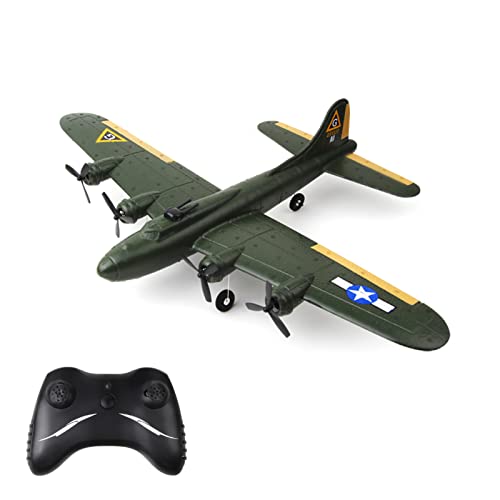
- Lightweight EPP foam with flexible durability
- Simple 2-channel control for easier learning
- Includes controller, battery, charger, and spares
Best For: Beginners and casual flyers learning fixed-wing control
Swift Build Glider – Swift 2100 RC Glider
If you want rc gliders with carbon fiber wings that are easier to set up and fly, the Swift 2100 is built for practical weekend use. It combines carbon fiber reinforcement throughout the model with an efficient folding propeller, flaps, and a brushless power system that supports 3S or 4S batteries.
Best For: Beginners who want a larger, easy-assembly glider with carbon fiber reinforcement and longer flight potential.
Pros:
- Carbon fiber reinforcement throughout the entire model for added strength.
- Functional flaps and an efficient folding propeller for more flexible handling.
- Compatible with 3S or 4S LiPo batteries and designed for 10-30 minute flight times.
- Fast, glue-free assembly makes it simpler to get flying.
Cons:
- Transmitter, receiver, and battery are not included.
- Requires some RC setup before first flight.
- Best suited to outdoor use rather than indoor flying.
Overall, the Swift 2100 stands out for buyers who want a beginner-friendly glider with carbon fiber reinforcement and useful flight features. It is a solid pick if you value easier assembly and the flexibility of a brushless, battery-powered setup.
DIY Reinforcement Pack – 4 Pack Carbon Fiber Rods
MECCANIXITY 4 Pack Carbon Fiber Rod, 6mm x 150mm for RC Plane DIY Tool Wing Tube Quadcopter Arm
Check Price On AmazonFor rc gliders with carbon fiber wings or other lightweight airframes, these 6mm x 150mm rods are a straightforward reinforcement option. They are designed for RC airplanes, wing or tail reinforcing, quadcopter arms, and other DIY projects where strength matters without adding much weight.
Best For: Hobbyists needing short, stiff carbon fiber rods for wing, tail, or arm reinforcement.
Pros:
- Carbon fiber construction offers high strength with low weight.
- Useful for wing or tail reinforcing on RC planes.
- Can be cut to length for different DIY builds.
- 4-pack provides multiple rods for repairs or projects.
Cons:
- Short 150mm length may not suit larger structural jobs.
- Rods are a parts item, not a complete RC product.
- Requires cutting and fitting for many applications.
This is a practical reinforcement choice if your project needs compact carbon fiber parts rather than a full aircraft upgrade. It makes the most sense for repairs, bracing, and small-scale wing support work.
Stability Trainer Glider – VOLANTEXRC 4CH RC Plane
If you’re comparing rc gliders with carbon fiber wings, this VOLANTEXRC glider focuses more on stability and control than raw speed. It uses a 6-axis gyro, 4-channel control, and three flight modes to help beginners learn step by step while still leaving room for aerobatics.
Best For: Beginners and casual flyers who want a stable, ready-to-fly outdoor glider with easy progression.
Pros:
- Built-in Xpilot gyro stabilizer helps improve stability.
- Three flight modes support a beginner-to-expert learning path.
- Includes 3 batteries plus a 5-port charger for more flying time.
- Ready to fly out of the box with no assembly required.
Cons:
- Foam construction may not appeal to buyers seeking carbon fiber airframes.
- Smaller wingspan than larger trainer gliders.
- Designed for outdoor use, not indoor flying.
Overall, this is a friendly entry point for pilots who want a stable RC glider with low-friction setup. The included batteries and gyro assistance make it appealing for learning and casual outdoor fun.
Long-Run Wing Rods – 1.5mm Carbon Fiber Rods
For rc gliders with carbon fiber wings, these 1.5mm x 500mm rods are useful when you need long, lightweight reinforcement pieces. They are intended for RC airplanes, wing or tail reinforcing, and other DIY projects that benefit from high strength and good straightness.
Best For: Builders needing long, thin carbon fiber rods for lightweight wing reinforcement.
Pros:
- Long 500mm rods work well for extended reinforcement runs.
- Carbon fiber offers high strength with low weight.
- Suitable for wing, tail, and other RC airplane support uses.
- Can be cut to size for custom projects.
Cons:
- Very thin 1.5mm diameter limits load-bearing applications.
- Not a complete RC plane or ready-to-fly accessory.
- May require careful measuring and cutting during installation.
This pack is a good fit when your project needs long, slim reinforcement rather than a structural beam. It is especially useful for lightweight glider wings, tail supports, and other precision DIY repairs.
Vertical-Fly Trainer – GoolRC WLtoys XK X450 3-Mode RC Glider
If you want rc gliders with carbon fiber wings support for easier learning, the X450 stands out as a versatile entry point. Its 3 flight modes, 6-axis gyroscope, and altitude hold make it useful for beginners who want a stable setup, while the vertical flight option adds extra flexibility for more advanced flying.
Best For: Adults who want a feature-rich RC glider with training-friendly stabilization and multiple flight modes.
Pros:
- Three flight modes: vertical flight, horizontal 6G airplane flight, and multi-rotor flight.
- Built-in carbon fiber rod reinforcement adds strength to the EPO airframe.
- 6-axis gyroscope with air pressure and altitude hold helps stabilize flight.
- 11.1V 1000mAh battery is rated for 15 minutes or more of flight time.
Cons:
- Designed for outdoor use, so it is not the best choice for indoor flying.
- The feature set may be more than needed if you only want a simple glider.
Overall, this X450 is a practical pick if you value stability, reinforced construction, and multiple flying styles in one aircraft. It is especially appealing for pilots who want room to grow beyond basic glider flight.
FPV Delta Wing Build – E42 EPP Flying Wing RC Glider Kit
For buyers comparing rc gliders with carbon fiber wings or wing-style reinforcement, the E42 is a lightweight flying wing kit built for stable gliding and FPV use. Its 1114mm wingspan, EPP foam construction, and optional power combo make it a strong choice if you want a DIY model that can be set up for outdoor flights and aerodynamic maneuvers.
Best For: Adult hobbyists who want a DIY flying wing glider for FPV, assembly, and outdoor practice.
Pros:
- 1114mm wingspan supports stable gliding performance.
- Durable EPP foam construction is made for crash resistance and flexibility.
- Available as a kit or as a kit with motor, ESC, and servos.
- Lightweight delta wing design is suited to smooth flight and acrobatic maneuvers.
Cons:
- Kit version requires DIY assembly and setup.
- Included components are limited in the base kit listing, so power setup depends on the option selected.
This model makes sense if you want a glider project rather than a ready-to-fly plane. The mix of glide-friendly design and FPV-oriented flexibility gives it a clear hobbyist angle.
Reinforced Vertical Flyer – GoolRC WLtoys XK X450 Carbon Fiber RC Glider
This X450 version is a strong fit if you are shopping rc gliders with carbon fiber wings support and want a model that balances stabilization with performance. It uses impact-resistant EPO material, a built-in carbon fiber rod, and three flight modes, so it can serve both beginners practicing controlled flight and experienced pilots looking for aerobatic options.
Best For: Adult flyers who want a reinforced RC glider with stabilized beginner mode and 3D flight capability.
Pros:
- Material listing includes carbon fiber, with a built-in carbon fiber rod for reinforcement.
- Three flight modes include vertical flight, 6G airplane flight, and multi-rotor flight.
- 6-axis gyroscope with air pressure and altitude hold supports easier control.
- Brushless motors and digital servos provide the power and control described in the notes.
Cons:
- Outdoor-only usage may limit where you can fly it.
- The advanced mode mix may feel unnecessary if you only want a basic glider.
As a reinforced, mode-switching aircraft, this X450 is best seen as a flexible practice plane rather than a stripped-down glider. It offers a broad feature set that should appeal to pilots who want both stability and flight variety.
Carbon-Reinforced FPV Wing – Buddy RC Sonic Modell AR Wing Classic
If you want one of the more capable rc gliders with carbon fiber wings for FPV-style flying, the Buddy RC Sonic Modell AR Wing Classic is built around a lightweight EPP airframe with a built-in carbon fiber spar for extra reinforcement. It is aimed at skilled pilots who want a durable wing with room for gear, including a spacious equipment bay and multiple camera mount options.
Best For: Skilled FPV pilots who want a reinforced wing with flexible camera mounting and crash resistance.
Pros:
- Built-in carbon fiber spar adds strength and impact resistance.
- Spacious equipment bay supports extended flight setup and more controller room.
- Extra side camera bay and bonus docks improve FPV/HD camera compatibility.
- Pre-installed motor, ESC, servos, propeller, and hardware simplify setup for PNP buyers.
Cons:
- PNP version does not include a remote control.
- Skill level is listed as advanced, so it is not the easiest choice for beginners.
- Focused more on FPV utility than a pure trainer-style glider experience.
Overall, this is a practical pick if you care about reinforcement, camera flexibility, and a lightweight wing design. It makes the most sense for pilots who already know their way around FPV equipment and want a tougher airframe.
Carbon-Fiber Trainer Glider – VOLANTEXRC Ranger FPV 1.4M
The VOLANTEXRC Ranger FPV Training Glider is a roomy 1.4M model that blends carbon fiber and foam construction with an easy-to-fly trainer layout. Among rc gliders with carbon fiber wings, it stands out for FPV-friendly design, a large fuselage for bigger batteries, and quick assembly with no glue required.
Best For: FPV beginners and training-focused flyers who want a stable glider with easy setup.
Pros:
- Carbon fiber, foam, and plastic construction adds structure while keeping the airframe practical.
- Designed for FPV with easy camera mounting and a large fuselage.
- Quick, easy assembly requires no glue.
- Brushless motor and included 11.1V 2000mAh Li-Po battery and charger add value.
Cons:
- It is a larger 1.4M aircraft, so it will take more space to transport and store.
- Marketed as a trainer, so advanced performance seekers may want something more specialized.
- Item weight is listed at 10 pounds, which may matter for portability.
This is a sensible choice if you want a stable FPV glider that is straightforward to assemble and ready to fly. The included battery and charger make it especially convenient for getting airborne quickly.
Lightweight Foam Glider – Goolsky FX817 B-17 RC Plane
The Goolsky FX817 is a simple 2-channel foam RC airplane for buyers who want an easy-entry fixed-wing model rather than a complex build. It uses lightweight EPP material and a stable pneumatic contour design, which makes it a practical option if you are comparing rc gliders with carbon fiber wings but prefer a beginner-friendly foam glider instead.
Best For: Beginners and casual flyers who want an easy-to-control foam glider with stable flight.
Pros:
- Lightweight EPP foam construction is flexible and not easy to break.
- Stable airframe design supports gliding performance and easier handling.
- 2.4GHz control and 2-channel layout make it simpler to learn.
- Includes remote, battery, charger, spare propellers, glue, and instruction.
Cons:
- No carbon fiber reinforcement is listed in the supplied details.
- 2-channel control is less capable than more advanced RC planes.
- Best suited to basic flying rather than FPV or performance-focused setups.
For shoppers who want something affordable and straightforward, this model keeps the focus on easy control and durability. It is a good pick if your priority is learning and relaxed flying rather than upgraded wing construction.
How We Picked These Rc Gliders with Carbon Fiber Wings
We focused on models and components that make sense for real-world flying: stable airframes, practical wing construction, accessible setup, and value for different pilot types. For Rc Gliders with Carbon Fiber Wings, we also looked at reinforcement quality, wingspan, control layout, and whether the plane is better suited to beginners, trainers, or more advanced flyers.
Quick Comparison
Use your intended flying style to narrow the list fast. Beginner-friendly gliders usually prioritize forgiveness and easy launch behavior, while FPV and aerobatic models lean toward stronger control authority and cleaner handling at speed. DIY parts and carbon fiber rods are best if you are repairing, reinforcing, or custom-building a wing rather than buying a complete aircraft.
Key Buying Factors for Rc Gliders with Carbon Fiber Wings
Wing Strength and Flex
Carbon fiber should add stiffness without making the model overly heavy. A stiffer wing generally tracks better in wind and supports smoother gliding, but too much weight can reduce float and climb efficiency.
Wingspan and Stability
Larger wingspans usually improve glide efficiency and stability, which helps new pilots. Smaller or delta-style wings can feel quicker and more responsive, making them better for experienced flyers or FPV use.
Power Setup and Flight Mode
Check whether the plane is ready-to-fly, plug-and-play, or kit-based. RTF models are the easiest path for most buyers, while kits and reinforcement parts suit hobbyists who want more control over assembly and tuning.
Control System and Flight Aids
Features like 6-axis stabilization, multiple flight modes, and brushless power can make a major difference in confidence and performance. If you are new to the hobby, built-in stabilization is often worth prioritizing.
Repairability and Parts Support
Gliders and winged aircraft take abuse, so replacement parts matter. Carbon rods, wing tubes, foam compatibility, and available spares can determine whether a model stays flying after a rough landing.
Who Should Buy Which Rc Gliders with Carbon Fiber Wings?
Beginners should look for stable trainers with simple controls and flight assistance. FPV pilots and experienced flyers may prefer a faster, more aerodynamic wing with stronger reinforcement and better responsiveness. Builders and repair-focused hobbyists should choose carbon fiber rods and wing tubes that match their project dimensions and load requirements. If you want the easiest path into the category, pick a ready-to-fly model; if you want flexibility, choose a kit or reinforcement pack that fits your exact airframe.