
Choosing the right transmitter can make a bigger difference than most hobbyists expect. The best RC radio balances comfort, channel count, range, and model memory without adding setup headaches.
Below, we focus on the strongest options for cars, boats, aircraft, and multi-model use so you can match the radio to your build, budget, and skill level.
Best 10 Rc Transmitters for Hobbyists Picks for 2026
Crawler-Friendly Surface Radio
Radiolink RC4GS V3 5CH 2.4G RC Transmitter

- FHSS anti-interference with up to 1300 ft range
- Built-in gyro for drifting and on-road stability
- Telemetry, ABS, fail-safe, and mix controls
Best For: Surface RC hobbyists who want long range and advanced tuning
Flexible Surface Radio Set
Flysky FS-GT5 6CH AFHDS RC Transmitter

- 6-channel transmitter with included FS-BS6 receiver
- ABS, fail-safe, crawl mode, SVC, and gyro stability
- Stores 20 models with individual settings
Best For: Surface hobbyists who want multi-model memory and car/boat features
Aircraft-Focused DSMX Radio
Spektrum DX6e 6-Channel DSMX RC Transmitter
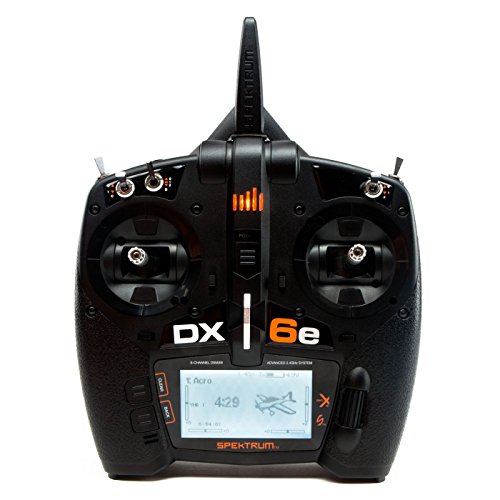
- 250-model memory for aircraft pilots
- Airplane, helicopter, sailplane, and multirotor programming
- Wireless trainer link for buddy-box flying
Best For: Aircraft pilots who need model memory and trainer support
Versatile Multi-Model Combo
HAWK'S WORK FS-i6X 10 Ch Radio
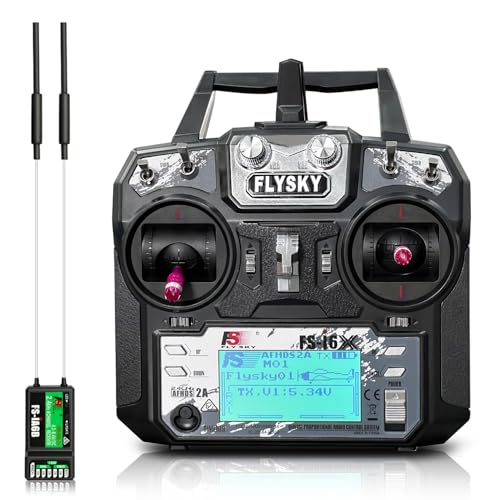
- 10 channels with user-selectable 6 to 10 channel setup
- Includes FS-iA6B receiver in the box
- Compatible with many model types, from planes to boats
Best For: General hobbyists who want one radio for many model types
Budget-Friendly Airframe Starter
Flysky FS-i6 6CH RC Transmitter Combo
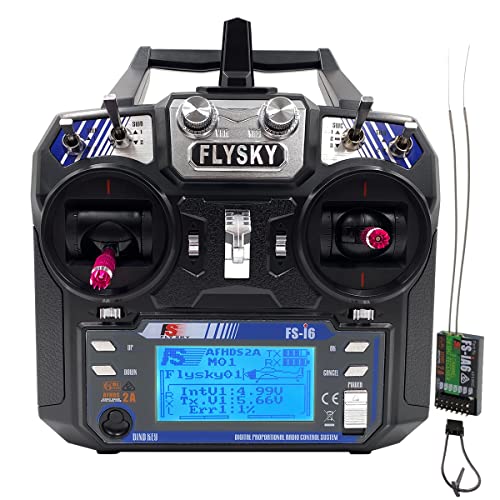
- 500-meter range with AFHDS 2A anti-interference control
- Works with fixed wing, glider, helicopter, and some DIY builds
- 20 model memories plus mix, elevon, and throttle-curve functions
Best For: Fixed-wing, glider, and beginner DIY RC users
Surface Control Specialist
Radiolink RC6GS V3 7CH RC Transmitter

- Up to 600 meters with two-way FHSS communication
- Real-time telemetry for voltage and RSSI with supported receivers
- Built-in gyro receiver and 7 customizable channels
Best For: RC cars, crawlers, drifting, tanks, and boats
Feature-Rich Aircraft Radio
Flysky FS-i6X 10CH RC Transmitter Bundle

- 2.4GHz AFHDS2A system with broad receiver compatibility
- FS-iA10B offers PWM, PPM, S.bus, and i.bus output modes
- 20 model memories plus mix, throttle hold, switches, and knobs
Best For: Mixed RC users who want aircraft-focused flexibility
Flexible Multi-Model Pick

- 5 programmable channels with mix control
- Stores up to 30 models
- Includes 2 gyro receivers and lanyard
Best For: Hobbyists managing multiple RC cars, boats, or crawlers
All-Around Starter Radio
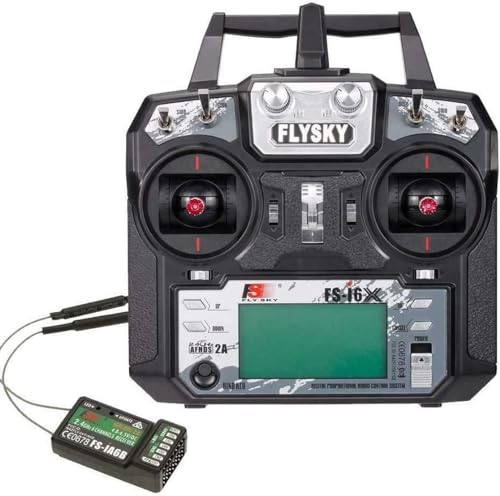
- Default 6 channels, expandable to 10
- Bidirectional communication with sensor support
- Low power use and AFHDS2A hopping
Best For: Beginners and budget-minded hobbyists who use multiple RC model types
Car-and-Boat Stability Pick
Car Control and Stability Radio

- 6-channel AFHDS 2A system with gyro receiver
- ABS, fail-safe, crawl mode, and SVC
- Stores 20 models with separate profiles
Best For: RC car and boat hobbyists who want stability-focused controls
Crawler-Friendly Surface Radio – Radiolink RC4GS V3 5CH 2.4G RC Transmitter
If you’re comparing rc transmitters for hobbyists, the Radiolink RC4GS V3 is a strong surface-radio option built around range, telemetry, and tuning tools. It offers FHSS anti-interference performance, a control range up to 1300 feet, and practical functions like gyro adjustment, voltage telemetry, EPA, ABS, fail-safe, dual-rate, timer, cruise control, and customizable channels.
Best For: RC car, crawler, drift, and dual-ESC hobbyists who want a feature-rich transmitter with telemetry support.
Pros:
- FHSS system helps improve anti-interference performance for longer-range control.
- Built-in gyro with transmitter-adjustable sensitivity supports drifting and on-road use.
- Voltage telemetry, fail-safe, ABS, EPA, dual-rate, and cruise control add useful tuning options.
- CH3-CH5 can be customized, which helps with 4WD cars, tanks, and dual ESC setups.
Cons:
- Telemetry requires a compatible receiver such as the R7FG/R8FG/R8FGH.
- Primarily aimed at surface vehicles rather than aircraft or general multi-category use.
This is a good pick if you want a surface transmitter that goes beyond basic steering and throttle control. The combination of range, telemetry, and mix functions makes it especially practical for hobbyists who like to tune their setup.
Flexible Surface Radio Set – Flysky FS-GT5 6CH AFHDS RC Transmitter
For rc transmitters for hobbyists who want a flexible surface radio, the Flysky FS-GT5 brings 6-channel control, strong anti-interference, and several model-driven features in one package. The included FS-BS6 receiver supports cars, boats, and other models, while ABS, fail-safe protection, crawl mode, SVC smart control, and gyro stability help adapt the transmitter to different driving styles.
Best For: Hobbyists who run cars or boats and want a transmitter with crawl, gyro, and model memory features.
Pros:
- AFHDS 2A system is designed for strong active and passive anti-interference.
- 6-channel output with included FS-BS6 receiver supports multiple surface models.
- ABS, fail-safe, crawl mode, SVC, and gyro stability add useful control tools.
- Stores up to 20 models with separate settings and model names.
Cons:
- Feature set is focused on surface use, not aircraft programming.
- The interface may be more than needed if you only want a basic radio.
The FS-GT5 is a practical choice if you want one transmitter for different cars or boats and prefer having setup memory built in. It balances easy model switching with control features that matter on the track or water.
Aircraft-Focused DSMX Radio – Spektrum DX6e 6-Channel DSMX RC Transmitter
If you need rc transmitters for hobbyists that are aimed at aircraft, the Spektrum DX6e stands out for airplane, helicopter, sailplane, and multirotor programming. It includes 250-model memory, DSMX/DSM2 compatibility, a wireless trainer link, and a compact transmitter-only design for pilots who already have or plan to choose a compatible receiver and telemetry setup.
Best For: Aircraft hobbyists who want programming support, high model memory, and a trainer-link feature.
Pros:
- Supports airplane, helicopter, sailplane, and multirotor programming.
- 250-model memory is useful for pilots managing many aircraft.
- Wireless trainer link supports buddy-box flying with another DSMX/DSM2 transmitter.
- Compact footprint and spring adjustment slider add practical usability.
Cons:
- Receiver is not included.
- Telemetry features require separately sold sensors and a telemetry-enabled receiver.
The DX6e is a solid match for pilots who want a transmitter built around aircraft workflows rather than surface vehicles. Its memory, compatibility, and trainer support make it especially appealing for structured flying and multi-model use.
Versatile Multi-Model Combo – HAWK'S WORK FS-i6X 10 Ch Radio
For hobbyists looking at rc transmitters for hobbyists across multiple vehicle types, the HAWK’S WORK FS-i6X offers a broad feature set with 10-channel capability and an included receiver. It can be set from 6 to 10 channels, uses two joysticks plus switches and knobs, and is described as suitable for multi-rotor, fixed-wing airplane, helicopter, tank, airship, boat, submarine, and more.
Best For: Beginners and general hobby users who want one transmitter for many model types.
Pros:
- 10-channel transmitter with user-selectable 6 to 10 channel setup.
- Includes FS-iA6B receiver, so it arrives as a ready-to-use combo.
- Bind-key sync and unique ID are designed to help prevent accidental disconnections and interference.
- Works across a wide variety of models, including aircraft, boats, tanks, and submarines.
Cons:
- Uses 4 AA batteries, which some users may prefer to avoid.
- Support and warranty details are relatively limited compared with more premium radios.
This is a versatile pick if you want broad compatibility without narrowing yourself to one vehicle category. It makes sense for newcomers or mixed-fleet hobbyists who value channel flexibility and an included receiver.
Budget-Friendly Airframe Starter – Flysky FS-i6 6CH RC Transmitter Combo
If you’re comparing rc transmitters for hobbyists and want a straightforward radio for planes and DIY builds, the Flysky FS-i6 is a practical place to start. It offers quick response, 2.4GHz AFHDS 2A control, and broad compatibility with fixed wing, glider, helicopter, and even some boat or car setups through supported receivers.
Best For: Fixed-wing pilots, glider flyers, helicopter users, and DIY hobbyists who want an affordable multi-model transmitter.
Pros:
- 500-meter air range with a reliable anti-interference 2.4GHz AFHDS 2A system
- Compatible with several AFHDS 2A receivers, including FS-iA6, FS-iA6B, FS-iA10B, FS-X6B, and FS-A8S
- Includes 1 three-stage switch, 3 two-stage switches, 2 knobs, and customizable 5th/6th channel allocation
- Stores up to 20 model memory profiles with mix, elevon, throttle curve, and auxiliary channel functions
Cons:
- Receiver compatibility is tied to the AFHDS 2A ecosystem
- Only 6 channels, so it may feel limited for more advanced surface or aircraft setups
- Receivers are not included in the packaging notes unless purchased separately
This is a good value pick if you need a dependable transmitter for common flying and DIY use without a lot of setup complexity. The feature set is strong for the price, especially if you already work within Flysky-compatible gear.
Surface Control Specialist – Radiolink RC6GS V3 7CH RC Transmitter
Among rc transmitters for hobbyists who focus on cars and other surface models, the Radiolink RC6GS V3 stands out for its telemetry, gyro receiver, and flexible channel setup. It reaches up to 600 meters, supports real-time voltage and RSSI readouts, and is built around use cases like crawling, drifting, on-road driving, tanks, and boats.
Best For: RC car, crawler, drifting, tank, and boat hobbyists who want telemetry and gyro assistance.
Pros:
- Two-way FHSS communication with up to 600 meters of range
- Real-time telemetry for vehicle battery voltage and RSSI when paired with supported receivers
- R7FG receiver includes a built-in gyro for straight-line stability and drift/on-road tuning
- 7 channels with customizable controls, mix functions, and cruise-control support for crawler use
Cons:
- Telemetry requires compatible R7FG, R8FG, or R8FGH receivers
- Designed primarily for surface models rather than aircraft
- Advanced features may be more than casual users need
If your priority is precision driving control, this radio offers more surface-model utility than a basic transmitter. The built-in telemetry and gyro features make it especially appealing for hobbyists who want better feedback and stability.
Feature-Rich Aircraft Radio – Flysky FS-i6X 10CH RC Transmitter Bundle
If you want rc transmitters for hobbyists with a little more channel flexibility, the Flysky FS-i6X paired with the FS-iA10B receiver is a versatile aircraft-friendly option. It uses the stable 2.4GHz AFHDS2A system, supports multiple receiver output modes, and can handle fixed-wing, glider, helicopter, and also quadcopter, car, or boat use through compatible setups.
Best For: Hobbyists who want a flexible transmitter for aircraft, multirotors, and mixed RC projects.
Pros:
- Compatible with AFHDS2A receivers including FS-iA10B, FS-iA6B, FS-A8S, and FS-X6B
- FS-iA10B receiver supports PWM 10CH, PPM 8CH, S.bus 10CH, and i.bus 10CH output modes
- Stores 20 model groups and includes mix, throttle hold, switches, knobs, and voltage display
- Suitable for fixed-wing, glider, helicopter, quadcopter, car, and boat applications
Cons:
- Receiver mode setup may take some menu navigation
- Battery requirements are basic AA cells rather than a built-in rechargeable pack
- Some of the more advanced functions are more useful for experienced hobbyists than beginners
This bundle is a strong pick if you want one transmitter that can cover several RC categories without giving up useful flight controls. Its broad compatibility and 10-channel receiver output options make it especially adaptable.
Flexible Multi-Model Pick – 5-Channel Racer-Friendly Set
If you want rc transmitters for hobbyists that can handle cars, boats, crawlers, and drift setups, the Radiolink RC4GS V3 brings a lot of tuning flexibility. Its 5-channel layout, mix programming, and model memory make it a practical choice when you switch between different builds and want quick access to saved settings.
Best For: Hobbyists who want a flexible multi-model transmitter with included gyro receivers and extra setup features for cars, boats, crawlers, tanks, and drifting.
Pros:
- 5 programmable channels with mix control for combining two channels.
- 30-model memory storage helps if you run multiple vehicles.
- Includes 2 R6FG receivers with built-in gyro and an adjustable neck lanyard.
- Timer, EPA/D/R switching, and DSC port support add useful tuning options.
Cons:
- Batteries are not included, so you will need to supply your own power source.
- Some advanced features are aimed more at experienced users than casual beginners.
This is a strong pick if you value setup flexibility and want one radio that can grow with a mixed RC fleet. The included receiver pair and expanded model storage make it especially handy for hobbyists who regularly swap between vehicles.
All-Around Starter Radio – Budget-Friendly 6-10CH Radio
The FLYSKY FS-i6X is a straightforward option among rc transmitters for hobbyists who want broad model compatibility without overcomplicating the setup. It ships as a default 6-channel system, with the option to open it to 10 channels if you pair it with an FS-iA10B receiver, and it supports fixed-wing, quadcopter, car, and boat use.
Best For: Hobbyists looking for an affordable multi-model transmitter with sensor support and a clear path to more channels later.
Pros:
- Default 6-channel setup with the option to use 10 channels with a compatible receiver.
- Bidirectional communication supports data from sensors and servo calibration.
- AFHDS2A system uses multi-channel hopping to reduce interference.
- Low power consumption helps extend battery life.
Cons:
- The included receiver is the FS-iA6B, so 10-channel use requires a separate compatible receiver.
- The feature set is practical, but less specialized than some car-focused transmitters.
Overall, this is a solid all-around radio for hobbyists who fly and drive different models and want dependable basics. Its sensor support and upgrade path to 10 channels add flexibility without making the system feel overly complex.
Car-and-Boat Stability Pick – Car Control and Stability Radio
For rc transmitters for hobbyists focused on cars and boats, the GoolRC Flysky FS-GT5 stands out for its tuning features. It uses the 2.4GHz AFHDS 2A system, includes a 6-channel receiver with built-in gyro, and adds car-oriented functions like ABS, fail-safe protection, crawl mode, and SVC.
Best For: Hobbyists who want a car-and-boat transmitter with stability features and model-specific tuning options.
Pros:
- ABS, fail-safe, crawl mode, and SVC functions give you useful control options.
- Built-in gyro receiver can help with stability.
- Stores 20 models, with separate settings and model names for each.
- Strong active and passive anti-interference capability.
Cons:
- It is geared mainly toward cars and boats, so it is less versatile for other RC categories.
- Uses alkaline batteries, which may be less convenient than rechargeable options for some users.
This is a practical choice if you want a feature-rich radio for track driving or boat use and like having mode-specific adjustments. The mix of safety functions and stored model profiles makes it easy to fine-tune different setups.
How We Picked These Rc Transmitters for Hobbyists
We focused on practical features that matter in real use: protocol compatibility, channel count, ergonomics, receiver value, model memory, telemetry support, and whether the radio is better suited to crawling, racing, aircraft, or mixed fleets. We also favored systems that offer a clear upgrade path for hobbyists who may add new models later.
Quick Comparison: What Stands Out
Some radios are better as budget-friendly all-rounders, while others are tuned for specific use cases. For example, crawler and car drivers often prioritize endpoint tuning, response feel, and waterproof receiver options. Air and multi-model users usually benefit more from extra channels, model memory, and broader receiver compatibility. If you want one transmitter for several builds, look for a system that can grow with your collection.
Key Buying Factors for Rc Transmitters for Hobbyists
Channel Count
Choose channels based on your model. A simple car or boat may only need 3 to 5 channels, while aircraft, tanks, or feature-rich builds may need 6 or more. Extra channels add flexibility for lights, winches, auxiliaries, and flight functions.
Protocol and Receiver Compatibility
Make sure the transmitter works with your current or planned receivers. Protocol lock-in is one of the most common mistakes when buying Rc Transmitters for Hobbyists, especially if you already own multiple models from different ecosystems.
Ergonomics and Grip Feel
Comfort matters during long sessions. A good wheel transmitter should feel steady and responsive in hand, while stick radios should offer predictable gimbal feel and easy access to trims, switches, and menus.
Model Memory and Setup Features
If you run multiple vehicles or planes, model memory saves time and reduces setup errors. Dual rates, failsafe options, telemetry, and adjustable mixes are also valuable if you want more control as your skills improve.
Receiver Bundle Value
Some kits include a receiver, which is useful for new builds or budget-conscious buyers. Radio-only packages can still be a smart choice if you already own compatible receivers or want to upgrade your transmitter first.
Who Should Buy Which Rc Transmitters for Hobbyists?
Beginners should look for a simple, affordable system with a bundled receiver and easy binding. Crawler and car hobbyists may prefer radios with strong endpoint control, reliable response, and waterproof receiver options. Aircraft and multi-model users should prioritize higher channel counts, model memory, and flexible programming. If you are building a mixed garage of vehicles, choose the system that offers the best balance of compatibility and future expansion rather than the lowest upfront price.