
The right sound level meter can help teachers identify disruptive noise, reinforce classroom expectations, and create a more focused learning environment. The best choice depends on whether you need portable measurements, a highly visible traffic-light display, or an alarm that signals when volume rises too far.
We compare 10 classroom-friendly options across display size, measurement range, alerts, mounting style, controls, and everyday usability so you can choose a practical fit for your room.
Best 10 Sound Level Meters for Classrooms Picks for 2026
Best Portable Pick

- 30–130 dB range with A/C weighting
- Backlit 2.25-inch LCD
- MAX/MIN and data hold functions
Best For: Portable classroom noise spot-checks
Best Visual Classroom Monitor
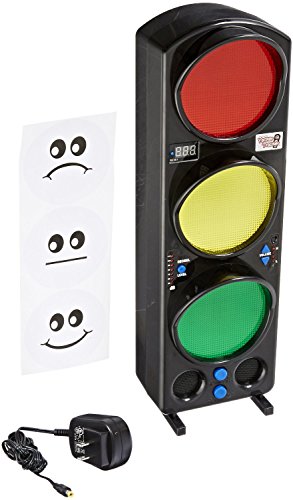
- Red/yellow/green LED signals
- Teacher-adjustable noise thresholds
- Useful for classrooms and group spaces
Best For: Visual noise awareness and classroom management
Best Wall-Mounted Alarm

- 35–135 dB measurement range
- Customizable “Quiet please” voice alarm
- Wall, table, battery, and AC operation
Best For: Continuous classroom noise reminders
Best Measurement Features
S8607 Digital Sound Level Meter

- 30–130 dB range with ±1.5 dB accuracy
- Fast/slow response modes
- MAX/MIN and hold functions
Best For: Flexible handheld classroom sound checks
Best Large-Display Wall Meter
SW-525A Digital Sound Level Meter

- Large red LCD display
- 30–130 dB measurement range
- Wall-hanging design
Best For: Fixed classroom noise monitoring
Best Portable Classroom Meter

- Lightweight 107 g design
- MAX/MIN and data hold
- Backlit 30–130 dB range
Best For: Portable classroom spot checks
Best Classroom Visual Alert
DANOPLUS 11-Inch LED Decibel Meter

- 11-inch adjustable LED display
- Color-coded visual noise icons
- Wall or desktop placement
Best For: Visible, silent classroom noise cues
Best with Extra Features
SnAKOL SK-38 Digital Sound Level Meter

- 30–130dB range with 0.1dB resolution
- Fast/slow response plus MAX/MIN hold
- Lightweight design with backlit display
Best For: Portable classroom and general noise checks
Best Large-Display Monitor
DANOPLUS 13-Inch Classroom Meter

- 13-inch LED screen for room-wide visibility
- Adjustable buzzer and color face indicators
- Displays sound, time, temperature, and humidity
Best For: Classrooms needing visible noise feedback
Best for Data Logging
DANOPLUS 13-Inch Sound Meter Recorder

- Logs readings every 2 seconds for up to one year
- Large display with audible and visual alarms
- 16.4-foot sensor supports flexible placement
Best For: Classroom noise monitoring and historical analysis
Best Portable Pick – TopTes TS-501B Decibel Meter
For shoppers comparing sound level meters for classrooms, the TopTes TS-501B is a compact handheld option with a 30–130 dB range, A/C weighting, and a large backlit display. Its MAX/MIN and data-hold functions make it practical for checking classroom noise and recording notable readings.
Best For: Teachers and staff who want a portable meter for spot-checking noise levels.
Pros:
- Measures 30–130 dB with A- and C-weighting options.
- 2.25-inch backlit LCD is easy to read in dim conditions.
- MAX/MIN, data hold, automatic shutoff, batteries, and carry case are included.
Cons:
- Requires handheld operation rather than continuous wall-mounted monitoring.
- The notes do not describe an audible or visual classroom alarm.
This is a sensible choice when portability and straightforward measurements matter more than a dedicated classroom warning display.
Best Visual Classroom Monitor – Yacker Tracker Noise Monitor
The Yacker Tracker takes a different approach to sound level meters for classrooms by using traffic-light-style LED signals instead of a handheld numeric reading. Teachers can preset the preferred noise threshold, allowing students to see when room volume is comfortable, approaching the limit, or too loud.
Best For: Classrooms, cafeterias, gyms, and groups that benefit from an immediate visual cue.
Pros:
- Red, yellow, and green LED signals are easy to understand.
- Noise thresholds can be preset by a teacher or adult.
- Designed for students of all ages and abilities.
Cons:
- It provides a visual traffic-light indication rather than a stated decibel readout.
- Uses a 120-volt AC adapter, which limits placement flexibility compared with battery-powered meters.
Choose this model when the goal is behavior-friendly noise awareness rather than detailed sound-level measurement or recorded readings.
Best Wall-Mounted Alarm – ET-968 Digital Decibel Meter
Among sound level meters for classrooms, the ET-968 stands out for its wall-mountable design and configurable voice warning. It measures 35–135 dB, displays readings on a large backlit LCD, and can say “Quiet please” when the selected alarm level is exceeded.
Best For: Schools and shared indoor spaces needing a visible, remotely controlled noise warning.
Pros:
- Wide 35–135 dB measurement range with stated ±2.0 dB accuracy.
- Customizable alarm threshold with optional “Quiet please” voice reminder.
- Can be wall-mounted or placed on a table and includes a remote control.
- Includes six AA batteries and an AC adapter.
Cons:
- Its 11.65-inch length may require more mounting space than handheld meters.
- The voice alarm may be distracting in settings where quiet monitoring is preferred.
This is a strong fit when a classroom needs ongoing, highly visible monitoring and a configurable reminder instead of occasional handheld checks.
Best Measurement Features – S8607 Digital Sound Level Meter
The S8607 is a practical handheld choice for sound level meters for classrooms, combining a 30–130 dB range with A-weighted measurement, selectable fast/slow response, and 0.1 dB display resolution. MAX/MIN and hold modes help teachers or facilities staff examine both peak and current classroom noise readings.
Best For: Users who want flexible response modes and measurement-hold features in a compact meter.
Pros:
- Measures 30–130 dB with stated ±1.5 dB accuracy.
- Offers fast/slow response selection for different measurement situations.
- Includes MAX/MIN, result hold, backlight, low-battery indicator, and automatic shutdown.
Cons:
- The supplied notes specify A-weighted measurement but do not mention C-weighting.
- It is a handheld reader, not a dedicated visual classroom monitor or alarm.
For detailed spot checks, this model offers a useful combination of range, resolution, response control, and peak-value tracking without the footprint of a wall-mounted monitor.
Best Large-Display Wall Meter – SW-525A Digital Sound Level Meter
For classrooms that need a sound level meter for classrooms visible from across the room, the SW-525A emphasizes readability with a large red LCD display. Its 30–130 dB range covers everyday classroom noise monitoring, while the wall-hanging design supports a fixed installation.
Best For: Teachers and schools wanting a permanently displayed, easy-to-see noise meter.
Pros:
- Large LCD display for quick at-a-glance readings
- 30–130 dB digital measurement range
- Wall-hanging format suits a fixed classroom location
Cons:
- The supplied notes do not specify accuracy, calibration, or data-hold functions
- Its 0.6 kg weight and wall-oriented design are less convenient for mobile checks
The SW-525A is a straightforward choice when visibility matters more than portability or advanced tracking features. It is best suited to a classroom noise display rather than detailed measurement work.
Best Portable Classroom Meter – RISEPRO HT-80A Decibel Meter
The RISEPRO HT-80A is a practical sound level meter for classrooms when staff need to take readings in different rooms or locations. It measures 30–130 dB, offers claimed accuracy of ±1.5 dB, and includes MAX/MIN, data hold, backlight, and automatic power-off functions.
Best For: Teachers, facilities staff, and users who need portable readings with basic recording features.
Pros:
- Portable 107 g design with a carrying pouch
- 30–130 dB range and stated ±1.5 dB accuracy
- MAX/MIN, data hold, backlight, and auto power-off features
Cons:
- Its compact display is less visible across a classroom than a wall-mounted LED meter
- The supplied notes do not describe a wall-mounting option
Choose the HT-80A when flexibility and measurement features are more important than whole-room visibility. Its lightweight build and hold functions make it convenient for spot checks and comparisons.
Best Classroom Visual Alert – DANOPLUS 11-Inch LED Decibel Meter
The DANOPLUS DP-336 is designed specifically for shared spaces where a sound level meter for classrooms should be visible and easy to interpret. Its 11-inch LED display shows decibel level, temperature, and humidity, while color-coded face icons indicate noise bands from below 60 dB to above 85 dB.
Best For: Classrooms needing a prominent visual noise reminder without an audible alarm.
Pros:
- Large 11-inch LED display with adjustable brightness
- Color-coded icons show four noise-level ranges
- 30–130 dB range, ±1.5 dB stated accuracy, and calibration function
- Can be wall-mounted or placed on a desktop
Cons:
- The 11-inch format is less portable than a handheld meter
- It requires charging through the included USB cable
- The alarm indication is visual rather than audible
For classroom behavior cues, the DP-336 offers the strongest visibility and most intuitive feedback of these options. Its temperature and humidity readouts add useful room information, while the visual icons avoid adding another sound to the classroom.
Best with Extra Features – SnAKOL SK-38 Digital Sound Level Meter
For shoppers comparing sound level meters for classrooms, the SnAKOL SK-38 is a compact handheld option for checking noise levels around a room or taking readings in other locations. Its 30–130dB range, 0.1dB resolution, and selectable fast or slow response suit both changing and steady sound.
Best For: Teachers, facility staff, and users who need a lightweight meter for occasional classroom and general noise checks.
Pros:
- Measures 30–130dB with stated ±1.5dB accuracy and 0.1dB resolution.
- Fast, slow, MAX, and MIN functions support different monitoring tasks.
- Backlit display, windshield cap, lanyard, and 60g portable design are convenient for mobile use.
Cons:
- Its small handheld display is less visible across a classroom than a large wall-mounted screen.
- Uses a 9V battery rather than the included rechargeable-battery setup found on some larger monitors.
The SK-38 is a practical choice when portability matters more than remote visibility or long-term data logging. It offers straightforward readings without requiring a permanent installation.
Best Large-Display Monitor – DANOPLUS 13-Inch Classroom Meter
Among sound level meters for classrooms, this DANOPLUS model is designed for at-a-glance monitoring from across the room. Its 13-inch LED screen shows sound level alongside time, temperature, and humidity, while adjustable alarms and face icons provide quick visual feedback.
Best For: Classrooms, studios, and shared spaces where students or staff need to see noise conditions from a distance.
Pros:
- Large 13-inch display shows 30–130dB readings clearly from farther away.
- Adjustable buzzer threshold can be enabled or disabled as needed.
- Green, yellow, and red face icons make sound-level changes easy to interpret.
- Supports tabletop or wall mounting and includes a 9.8-foot charging cord.
Cons:
- It is substantially larger and less portable than a handheld meter.
- The stated battery runtime is about 10 hours when fully charged, with charging suggested for continuous use.
This model prioritizes visibility and simple classroom feedback over portability. Temperature and humidity readings add useful room context, while the adjustable alarm helps tailor it to a classroom’s noise expectations.
Best for Data Logging – DANOPLUS 13-Inch Sound Meter Recorder
For buyers seeking sound level meters for classrooms with recordkeeping needs, this DANOPLUS recorder combines a large display with long-term data logging. It records readings every two seconds, stores up to one year of data, and can display or export real-time information through PC software.
Best For: Educators, administrators, and facility teams reviewing classroom noise patterns over time.
Pros:
- Stores up to one year of readings captured every two seconds.
- 13-inch HD display uses large digits for visibility from a distance.
- Includes adjustable audible and visual alarms for threshold events.
- 16.4-foot sensor cable supports flexible placement and sound-source monitoring.
Cons:
- At 2.66 pounds, it is less convenient to move than a handheld meter.
- Data display and export require connection to PC software.
- The default alarm threshold is 120dB and may need adjustment for classroom use.
This is the strongest fit when a classroom needs both a visible noise indicator and a record of sound levels. Its extended sensor cable and logging features add installation flexibility, but the unit is better suited to a fixed location.
How We Picked the Best Sound Level Meters for Classrooms
We focused on features that matter in real classroom use: readable displays, useful measurement ranges, simple controls, flexible placement, and clear feedback for students. Portable meters are useful when teachers need to check different areas or rooms, while wall-mounted models provide continuous visibility from across the classroom.
We also considered visual indicators, buzzer alarms, data-hold or maximum/minimum functions, response settings, backlighting, and extra environmental readings such as temperature and humidity. Because classroom noise monitoring is usually about consistency rather than laboratory-grade analysis, ease of use and visibility received particular attention.
Quick Comparison
The portable TopTes, RISEPRO, and compact digital meters are suited to teachers, school staff, and anyone who wants to take readings on demand. Yacker Tracker-style LED monitors and large wall displays are better for giving students an immediate visual cue. Models with alarms, voice warnings, or traffic-light indicators can make volume expectations easier to understand without interrupting instruction.
Before buying, check the listed display size, power source, mounting method, and whether the unit measures continuously or is intended mainly for handheld readings. Large displays are easier to see from the back of a room, but portable units generally offer more flexibility.
Key Buying Factors for Sound Level Meters for Classrooms
Visibility and Placement
A bright, large display is important if students need to see the reading without approaching the device. Wall-mounted and desktop designs work well in a fixed teaching area, while handheld meters are preferable for rotating classrooms, assemblies, hallways, or school-wide checks.
Alerts and Student Feedback
Color zones, icons, voice warnings, and buzzer alarms can turn noise monitoring into a simple classroom routine. Adjustable or clearly defined thresholds are especially useful, since acceptable volume varies between quiet work, group activities, and discussion.
Measurement Features
Look for a practical range around 30 to 130 dB, A-weighting for general human-hearing noise assessment, and fast or slow response options. MAX/MIN and data-hold functions help teachers capture changing or peak noise levels, while a windshield can reduce the effect of incidental airflow during handheld use.
Power and Durability
Battery-powered meters are convenient, but frequent users should consider battery access and automatic shutoff. For a permanent installation, verify that the included power arrangement, mounting hardware, sensor cable, and display size suit the room.
Who Should Buy Which Sound Level Meters for Classrooms?
Choose a portable meter if you need flexible spot checks, a compact device, or a tool for multiple rooms. Choose a large wall-mounted display when visibility and continuous classroom feedback are the priority. Choose an LED traffic-light monitor for younger students or classrooms that benefit from an immediate color-based signal. Choose an alarm or voice-warning model if you want the device to communicate rising noise levels automatically.
For most classrooms, prioritize visibility, simple controls, and dependable alerts over advanced measurement features. A meter that teachers can position correctly and students can understand at a glance is likely to be more useful than a technically complex model that rarely gets used.