
The right eyepiece can make a reflector telescope feel like an entirely different instrument. A low-power lens helps locate deep-sky targets, while shorter focal lengths reveal more detail on the Moon and planets.
We selected 10 options covering practical upgrades, beginner sets, high-power planetary viewing, wide fields, and versatile accessories. Use the guide below to match magnification, comfort, and compatibility to the way you observe.
Best 10 Telescope Eyepieces for Reflector Telescopes Picks for 2026
Most Versatile
Celestron 8-24mm Zoom Eyepiece

- Variable 8-24mm focal length
- Standard 1.25-inch fit
- Fully multi-coated optics
Best For: Flexible viewing with fewer eyepiece swaps
Best Magnification Booster

- Doubles eyepiece magnification
- Preserves existing eye relief
- Fits 1.25-inch systems
Best For: Getting more power from current eyepieces
Best for Planetary Detail
Celestron X-Cel LX 5mm Eyepiece
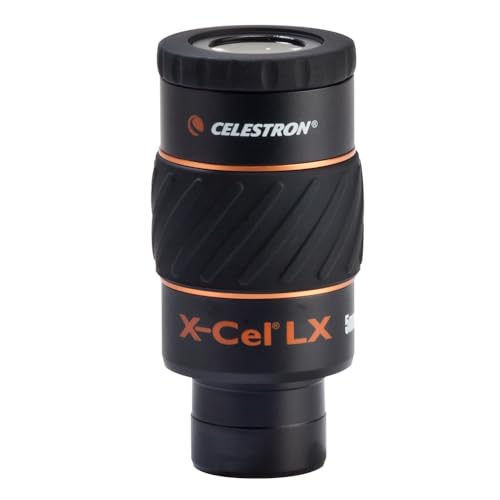
- Dedicated 5mm high power
- 60-degree field of view
- Fully multi-coated six-element design
Best For: High-power planetary observing
Best Wide-Field Value
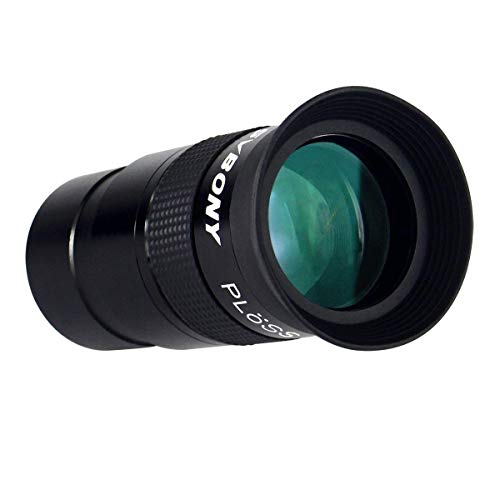
- 40mm low-power focal length
- 40-degree apparent field
- Fold-down eyeguard and filter thread
Best For: Broad lunar and deep-sky viewing
Versatile Kit

- Three focal lengths for flexible magnification
- Includes 5x Barlow and four filters
- Soft eyecups and multi-coated optics
Best For: Beginners building an all-in-one observing kit
High-Power Pick
SVBONY 4mm Wide-Angle Eyepiece

- 4mm focal length for detailed lunar and planetary viewing
- 62-degree field of view
- Fully coated, lightweight 1.25-inch design
Best For: Observers adding a dedicated high-magnification eyepiece
Classic Value

- Four-element Plossl optical design
- Comfortable rubber eyecup with eyeglass-friendly use
- Threaded 1.25-inch barrel accepts filters
Best For: Affordable, straightforward lunar and planetary viewing
Balanced Plossl Pick

- 25mm focal length and 48° field of view
- Fully multicoated optics with blackened lens edges
- Comfortable 16mm eye relief and folding eyecup
Best For: Low-power, wide-field viewing with 1.25-inch reflectors
Versatile Starter Set
Starboosa 4mm, 10mm & 20mm Kit

- Three focal lengths: 4mm, 10mm, and 20mm
- Fully multicoated optical glass for clear images
- Soft eyecups and 1.25-inch compatibility
Best For: Beginners seeking multiple magnification options
Budget Planetary Option

- 4mm focal length for high-power planetary detail
- Four-element Plossl design with blackened lens edges
- 1.25-inch threaded barrel accepts compatible filters
Best For: High-power planetary viewing on compatible reflectors
Most Versatile – Celestron 8-24mm Zoom Eyepiece
For anyone building a practical set of telescope eyepieces for reflector telescopes, the Celestron 8-24mm Zoom offers several focal lengths in one accessory. Its twist-zoom design lets you adjust magnification without repeatedly changing eyepieces.
Best For: Observers who want flexible magnification and fewer eyepiece changes.
Pros:
- Zooms continuously from 8mm to 24mm.
- Works with standard 1.25-inch eyepiece holders.
- Fully multi-coated optics and a 55-degree field of view.
- Includes filter threads, T-threads, and a two-year warranty.
Cons:
- A zoom eyepiece may be less specialized than dedicated fixed focal-length options.
- It is limited to 1.25-inch-compatible telescopes and accessories.
This is a convenient starting point for reflector telescope users who want to explore different magnifications before investing in multiple fixed eyepieces.
Best Magnification Booster – Celestron Omni 2X Barlow Lens
The Celestron Omni 2X Barlow is a useful addition to telescope eyepieces for reflector telescopes when you want more magnification from the eyepieces you already own. It doubles the power of compatible 1.25-inch eyepieces while preserving their eye relief.
Best For: Expanding an existing 1.25-inch eyepiece collection on a budget.
Pros:
- Doubles the magnification of each compatible eyepiece.
- Helps retain the eye relief of the original eyepiece.
- Fully multi-coated optics and blackened edges help limit reflections.
- Accepts 1.25-inch eyepieces and fits 1.25-inch focusers or diagonals.
Cons:
- Does not provide a new focal length by itself.
- Compatibility is limited to 1.25-inch systems.
Choose this Barlow when your current eyepieces are useful but you want additional magnification options without purchasing a second set of focal lengths.
Best for Planetary Detail – Celestron X-Cel LX 5mm Eyepiece
The Celestron X-Cel LX 5mm is a dedicated high-power choice among telescope eyepieces for reflector telescopes. Its six-element, fully multi-coated optical system and 60-degree field of view are designed with planetary viewing in mind.
Best For: High-power views of planets when your telescope and conditions support strong magnification.
Pros:
- 5mm focal length targets high-power observing.
- 60-degree field of view supports planetary viewing.
- Six-element fully multi-coated lens system.
- Pop-up eyeguard and textured grip improve handling and viewing comfort.
Cons:
- A 5mm eyepiece may be too powerful for some viewing conditions or telescope setups.
- It offers one fixed focal length rather than adjustable magnification.
This is a focused upgrade for observers who specifically want a short-focal-length eyepiece for planetary sessions rather than an all-purpose accessory.
Best Wide-Field Value – SVBONY 40mm Plossl Eyepiece
The SVBONY 40mm Plossl is a low-power, wide-field option for telescope eyepieces for reflector telescopes. Its 40mm focal length and 40-degree apparent field of view suit broad lunar views, star clusters, nebulae, and other deep-sky targets.
Best For: Wide-area observation of the Moon, clusters, nebulae, and deep-sky objects.
Pros:
- 40mm focal length supports broad-field viewing.
- Four-element, fully multi-coated optical design.
- Standard 1.25-inch barrel with filter threading.
- Fold-down rubber eyeguard accommodates eyeglass wearers.
Cons:
- Its fixed 40mm focal length does not provide zoom flexibility.
- The 40-degree apparent field of view is narrower than the 55- or 60-degree options in this roundup.
Consider this eyepiece as a simple low-power complement to shorter focal lengths, especially if your observing priorities include expansive lunar and deep-sky views.
Versatile Kit – Multi-Power Eyepiece Set
For shoppers comparing telescope eyepieces for reflector telescopes, this 1.25-inch set offers three focal lengths, a 5x Barlow lens, and four filters in one package. The combination is suited to experimenting with different magnifications for lunar, planetary, and general sky viewing.
Best For: Beginners and observers who want a flexible eyepiece-and-filter starter kit.
Pros:
- Includes 4mm, 10mm, and 20mm eyepieces for varied magnification options.
- Includes a 5x Barlow lens plus two moon and two polarizing filters.
- Soft eyecups and multi-coated optical glass support more comfortable viewing.
- Designed for 1.25-inch-compatible reflector and refractor telescopes.
Cons:
- The 5x Barlow can produce very high magnification, which may be demanding for some telescope and viewing conditions.
- This is a bundled kit rather than a single specialized eyepiece.
Its broad assortment makes it a practical way to build a basic observing setup, especially if you want filters and multiple focal lengths without buying each accessory separately.
High-Power Pick – SVBONY 4mm Wide-Angle Eyepiece
This SVBONY 4mm model is a focused choice among telescope eyepieces for reflector telescopes when close lunar and planetary views are the priority. Its 62-degree apparent field of view and 1.25-inch fit provide a compact, high-magnification option for compatible telescopes.
Best For: Lunar and planetary observers seeking a lightweight, high-power eyepiece.
Pros:
- 4mm focal length is designed for high-magnification observation.
- 62-degree wide-angle design helps provide a broad viewing field for a short focal length.
- Fully coated optics support light transmission, contrast, and detail.
- Lightweight 1.25-inch design weighs about 0.09 pound.
Cons:
- Only one 4mm eyepiece is included, so additional focal lengths must be purchased separately.
- High magnification may be less forgiving of atmospheric conditions and telescope limitations.
Choose this model when you already have lower-power eyepieces and want a dedicated short-focal-length option for detailed views of the moon and planets.
Classic Value – Celestron Omni 6mm Plossl
The Celestron Omni 6mm is a straightforward option for shoppers seeking telescope eyepieces for reflector telescopes with an emphasis on detailed moon and planet views. Its four-element Plossl design, rubber eyecup, and threaded 1.25-inch barrel make it a practical, traditional-style accessory.
Best For: Observers who want an affordable 6mm Plossl eyepiece from an established telescope brand.
Pros:
- Four-element Plossl optical design offers a conventional, versatile configuration.
- Rubber eyecup can improve comfort and contrast, with fold-down use for eyeglass wearers.
- Blackened lens edges and a matte aluminum barrel help reduce internal reflections.
- Threaded 1.25-inch barrel accepts filters.
Cons:
- This product provides a single 6mm focal length rather than a multi-eyepiece set.
- The supplied notes do not specify a field-of-view rating or included filter.
With its simple Plossl layout and user-friendly eyecup, the Omni 6mm is a sensible choice for adding one higher-power eyepiece to an existing compatible setup.
Balanced Plossl Pick – SVBONY SV131 25mm Eyepiece
For observers comparing telescope eyepieces for reflector telescopes, the SVBONY SV131 offers a practical low-power option. Its 25mm focal length, 48-degree field of view, and 1.25-inch compatibility suit broad views of the Moon, star fields, and other larger targets.
Best For: Comfortable low-power viewing with a standard 1.25-inch reflector telescope.
Pros:
- 25mm focal length with a 48-degree field of view
- Fully multicoated optics and blackened lens edges help improve light transmission and reduce stray light
- 16mm eye relief and a folding rubber eyecup support comfortable viewing
- Threaded to accept compatible 1.25-inch filters
Cons:
- Its 25mm focal length is intended for wider, lower-power views rather than high-power planetary detail
- It is a single eyepiece, so additional focal lengths may be needed
The SV131 is a straightforward choice when you want a comfortable Plossl eyepiece with useful coatings and broad compatibility. It makes the most sense as a dependable low-power addition to a reflector telescope kit.
Versatile Starter Set – Starboosa 4mm, 10mm & 20mm Kit
This three-piece set gives users shopping for telescope eyepieces for reflector telescopes three focal lengths to try: 4mm, 10mm, and 20mm. The 1.25-inch format is designed for reflector and refractor telescopes, making it a flexible starting point for viewing the Moon, planets, and star clusters.
Best For: Beginners who want several magnification options in one 1.25-inch eyepiece kit.
Pros:
- Includes 4mm, 10mm, and 20mm focal lengths for varied magnification
- Fully multicoated high-grade optical glass is designed for clear images and contrast
- Soft eyecups improve viewing comfort
- Compatible with 1.25-inch reflector and refractor telescopes
Cons:
- The 4mm eyepiece produces high magnification and may be demanding to use depending on telescope conditions
- The set does not include a longer focal-length eyepiece for especially wide views
As a compact starter collection, this kit provides useful focal-length variety without requiring separate purchases. Its main appeal is flexibility, though the practical magnification of each eyepiece will depend on the telescope used.
Budget Planetary Option – Celestron Omni 4mm Plossl
For high-power viewing among telescope eyepieces for reflector telescopes, the Celestron Omni 4mm targets planetary detail and other small, bright objects. Its four-element Plossl design uses a 1.25-inch threaded barrel, allowing compatible filters to be added.
Best For: High-power planetary observing when your reflector telescope supports a 1.25-inch eyepiece.
Pros:
- 4mm focal length is suited to high-power planetary detail
- Four-element Plossl optical design at an affordable price
- Rubber eyecup supports comfortable viewing and can fold down for eyeglass wearers
- Blackened lens edges and a matte barrel help prevent internal reflections
Cons:
- A 4mm eyepiece provides high magnification and is less suitable for broad, low-power views
- It is sold as a single eyepiece rather than a multi-focal-length set
The Omni 4mm is a focused choice for observers who specifically want more magnification from a compatible reflector. Its simple Plossl construction, filter-ready barrel, and included two-year US warranty make it a practical budget planetary option.
How We Picked the Best Telescope Eyepieces for Reflector Telescopes
We focused on useful focal lengths, common 1.25-inch compatibility, optical design, field of view, coatings, and overall versatility. The selection includes standalone eyepieces, zoom and Barlow options, and sets for observers building a collection from scratch.
Because reflector telescopes vary widely in focal length and aperture, no single eyepiece is ideal for every user. We prioritized options that serve recognizable observing roles, while noting where a product is better suited to low-power scanning, general-purpose viewing, or high-power detail.
Quick Comparison
| Best for | Useful option types | What to look for |
|---|---|---|
| Finding deep-sky objects | 25–40mm eyepieces | Bright views and a wider true field |
| General observing | 8–20mm eyepieces or zooms | Balanced magnification and comfort |
| Moon and planets | 4–6mm eyepieces | Sharp optics and steady tracking conditions |
| Expanding a small collection | Barlow lenses or sets | Useful focal-length coverage without duplication |
Key Buying Factors for Telescope Eyepieces for Reflector Telescopes
Focal Length and Magnification
Magnification equals the telescope’s focal length divided by the eyepiece focal length. Longer eyepieces produce lower magnification and are generally easier for locating targets. Shorter eyepieces increase magnification, but atmospheric turbulence and the telescope’s optical quality may limit how much detail you can actually see.
Barrel Size and Compatibility
Confirm whether your focuser accepts 1.25-inch or 2-inch accessories. Most choices here use the common 1.25-inch format. A Barlow lens multiplies magnification, but it works best when paired with eyepieces that provide genuinely different viewing ranges rather than excessive duplication.
Field of View, Eye Relief, and Coatings
A wider apparent field can make objects easier to keep in view and provide a more immersive experience. Eye relief matters especially for eyeglass wearers. Fully multi-coated optics can improve light transmission and contrast, although mechanical fit and atmospheric conditions remain equally important.
Who Should Buy Which Telescope Eyepieces for Reflector Telescopes?
Beginners
Choose a set or zoom eyepiece if you want flexibility while learning which magnifications you use most. A practical collection usually starts with low, medium, and moderately high power rather than jumping directly to the shortest focal length.
Deep-Sky Observers
Prioritize a 25mm–40mm eyepiece with a comfortable field of view for locating nebulae, galaxies, and star clusters. Reflector owners should also consider the telescope’s focal ratio and the size of the exit pupil produced.
Moon and Planet Viewers
A 4mm–6mm eyepiece can provide strong detail on nights with stable air, but it should complement—not replace—a medium-power option. If conditions are frequently unsteady, a 6mm eyepiece may be more useful than an extremely high-power model.
Value-Focused Upgraders
Start by filling gaps in your current focal-length range. A Barlow can add flexibility, while a better individual eyepiece may deliver a more noticeable improvement in comfort and handling than a large set with overlapping accessories.