
The right eyepiece can make a refractor telescope feel like a completely different instrument. By changing magnification and field of view, you can move from wide star fields to detailed lunar and planetary views without replacing the telescope.
This roundup covers eyepiece sets, individual focal lengths, and beginner-friendly refractor packages, with practical guidance for matching optical accessories to your observing goals and telescope specifications.
Best 10 Telescope Eyepieces for Refractor Telescopes Picks for 2026
Versatile Starter Kit
Multi-Focal Eyepiece and Filter Set

- Three focal lengths for flexible viewing
- Includes 5x Barlow and four filters
- Soft eyecups and multi-coated optics
Best For: Beginners seeking an all-in-one 1.25-inch accessory kit
Matched Refractor Upgrade

- Includes PL10 and K25 eyepieces
- 90mm aperture with 800mm focal length
- Metal mount and adjustable tripod
Best For: Beginners buying a complete refractor system
Simple Three-Piece Choice
1.25-Inch Multi-Focal Eyepieces

- Includes 4mm, 10mm, and 20mm lenses
- Fully multi-coated optical glass
- Soft eyecups for comfortable viewing
Best For: Refractor owners wanting a basic three-eyepiece range
High-Magnification Package

- Includes 25mm and 10mm eyepieces
- 3x Barlow supports a stated 24x–180x range
- Phone adapter, tripod, and carrying case included
Best For: Beginners wanting a complete portable refractor package
Wide-Field Plossl Pick
SVBONY 40mm Telescope Eyepiece
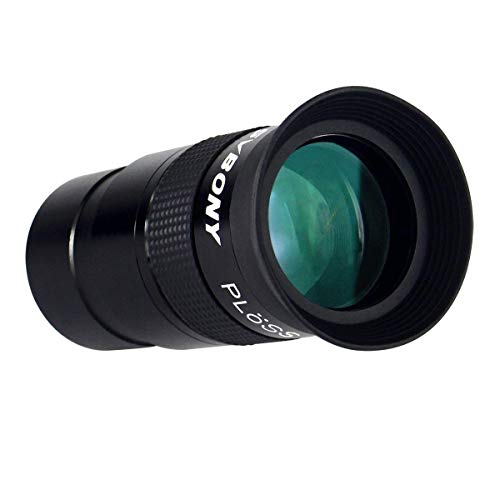
- 40mm four-element Plossl design
- 40° apparent field of view
- Fold-down eye guard and 1.25-inch barrel
Best For: Broad lunar, cluster, nebula, and deep-sky views
Beginner Accessory Bundle
ToyerBee 70mm Refractor Telescope

- Includes 20mm and 6mm eyepieces
- 3x Barlow lens extends magnification
- 70mm aperture with fully multi-coated optics
Best For: New astronomers wanting a complete portable refractor kit
Complete Plossl Refractor Set
National Geographic 70mm Telescope

- Two Plossl eyepieces included
- 2x Barlow lens creates four magnification levels
- 70mm refractor with 700mm focal length
Best For: Beginner lunar, planetary, and bright deep-sky observing
Portable 70mm Starter
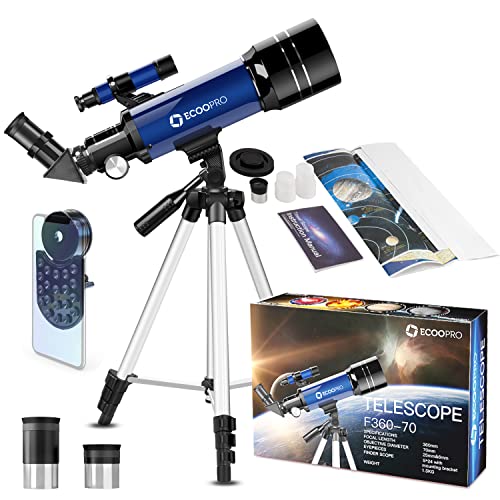
- 70mm fully multi-coated optics
- Two included Kellner eyepieces
- Backpack, tripod, and finder scope included
Best For: Families and beginners seeking a portable all-purpose refractor
Travel Beginner Pick

- Three interchangeable eyepieces
- 18X–135X stated magnification range
- Finder scope and tabletop tripod included
Best For: Young beginners and casual travel viewing
Phone-Friendly Gift Set

- Three eyepieces and moon filter
- Smartphone holder for steadier shots
- Tool-free setup with adjustable tripod
Best For: Families wanting beginner lunar viewing and phone support
Versatile Starter Kit – Multi-Focal Eyepiece and Filter Set
For shoppers comparing telescope eyepieces for refractor telescopes, this 1.25-inch set offers three focal lengths plus a 5x Barlow lens. The included moon and polarizing filters add flexibility for lunar and planetary viewing, while soft eyecups support longer observing sessions.
Best For: Beginners and observers who want a broad accessory kit for a compatible refractor telescope.
Pros:
- Includes 4mm, 10mm, and 20mm eyepieces for varied magnification options.
- Comes with a 5x Barlow lens, two moon filters, and two polarizing filters.
- Multi-coated optical glass and soft eyecups are designed for clearer, more comfortable viewing.
Cons:
- The 5x Barlow can produce very high magnification that may be difficult to use in some viewing conditions.
- The set is limited to the 1.25-inch format.
This is a feature-rich choice when you want one compact set covering magnification, glare reduction, and viewing comfort. Confirm that your refractor accepts 1.25-inch accessories before buying.
Matched Refractor Upgrade – SVBONY SV520 90mm Telescope
Although it is a complete telescope rather than an eyepiece-only kit, the SVBONY SV520 is relevant for shoppers considering telescope eyepieces for refractor telescopes because it includes PL10 and K25 eyepieces and supports additional high-magnification accessories. Its 90mm aperture and 800mm focal length provide a useful platform for future eyepiece upgrades.
Best For: Beginners who want a full metal refractor setup with included eyepieces and room to expand.
Pros:
- Includes PL10 and K25 eyepieces plus a moon filter.
- 90mm aperture and fully multi-coated optics are designed for bright, clear views.
- Metal construction, adjustable tripod, and worm-gear alt-azimuth adjustments support steadier tracking.
Cons:
- This is a complete telescope package, not a standalone eyepiece set.
- Its included accessories may not cover every preferred magnification.
The SV520 makes sense if you are building a refractor system from the ground up rather than simply replacing an eyepiece. Its included 1.25-inch-style accessories and stated compatibility with additional eyepieces make expansion straightforward.
Simple Three-Piece Choice – 1.25-Inch Multi-Focal Eyepieces
This three-piece 1.25-inch set is a straightforward option for telescope eyepieces for refractor telescopes. It includes 4mm, 10mm, and 20mm focal lengths, giving beginners a simple way to vary magnification while retaining soft eyecups and multi-coated optical glass.
Best For: Refractor owners who want an affordable, uncomplicated three-eyepiece range.
Pros:
- Three focal lengths cover different observing needs and object sizes.
- Fully multi-coated optical glass is specified for sharp images and contrast.
- Soft eyecups make it more comfortable to keep the eye near the eyepiece.
Cons:
- No Barlow lens or filters are included.
- Only the 1.25-inch size is supplied.
Choose this set when you value essential focal-length coverage over extra accessories. It is a practical starting point for a compatible refractor, especially if you already own filters or a Barlow lens.
High-Magnification Package – 90mm Beginner Refractor
For newcomers evaluating telescope eyepieces for refractor telescopes, this complete 90mm refractor includes 25mm and 10mm eyepieces plus a 3x Barlow lens. The combination is intended to provide a 24x–180x range, while the fully multi-coated optics and 45-degree diagonal support comfortable general viewing.
Best For: Beginners who want a portable telescope package with multiple included magnification options.
Pros:
- Includes 25mm and 10mm eyepieces with a 3x Barlow lens.
- 90mm aperture and fully multi-coated optics are designed for bright, crisp views.
- Comes with a finderscope, adjustable tripod, phone adapter, and carrying case.
Cons:
- This is a complete telescope rather than a standalone eyepiece upgrade.
- The advertised 180x maximum depends on using the included 3x Barlow.
This package is a convenient entry point when you need the telescope and eyepieces together. Its included focal lengths cover basic low- and higher-magnification viewing, while the 1.25-inch accessory format should be confirmed before adding other eyepieces.
Wide-Field Plossl Pick – SVBONY 40mm Telescope Eyepiece
For shoppers comparing telescope eyepieces for refractor telescopes, this 40mm SVBONY Plossl is a practical choice when a broad, comfortable view matters more than high magnification. Its 1.25-inch barrel fits compatible refractor telescope focusers and accessories, while the 40° apparent field of view suits lunar viewing, star clusters, nebulae, and other deep-sky targets.
Best For: Wide-field viewing of the Moon, star clusters, nebulae, and bright planets with compatible 1.25-inch refractors.
Pros:
- Four-element Plossl design with fully multi-coated optics.
- 40° apparent field of view for broad lunar and deep-sky views.
- Fold-down rubber eye guard is suitable for eyeglass wearers.
- Metal construction, filter thread, and included storage case.
Cons:
- Limited to telescopes and accessories accepting a 1.25-inch barrel.
- The 40mm focal length prioritizes wide views rather than strong planetary magnification.
Choose this eyepiece if your refractor supports 1.25-inch accessories and you want a durable, low-power option for locating and framing larger celestial targets.
Beginner Accessory Bundle – ToyerBee 70mm Refractor Telescope
Although this is a complete telescope rather than a standalone eyepiece, it offers a straightforward starting point for shoppers seeking telescope eyepieces for refractor telescopes. The 70mm, 300mm-focal-length refractor includes 20mm and 6mm eyepieces plus a 3x Barlow lens, providing a wide-view option and a higher-detail setup for Moon and planet observing.
Best For: Beginners, families, and travelers who want a complete refractor kit with multiple viewing options.
Pros:
- Includes 20mm and 6mm eyepieces for different viewing purposes.
- 3x Barlow lens expands the included magnification range.
- 70mm aperture with fully multi-coated optics supports day and night viewing.
- Includes a tripod, finderscope, phone adapter, and wireless camera remote.
Cons:
- It is a complete beginner telescope package, not a replacement eyepiece alone.
- The 300mm focal length and included accessories are aimed at entry-level observing.
This kit makes sense when you need the telescope, mount, and eyepieces together. Its included 20mm and 6mm options cover basic wide and detailed viewing without requiring separate accessory purchases initially.
Complete Plossl Refractor Set – National Geographic 70mm Telescope
This National Geographic 70mm refractor is a complete option for shoppers comparing telescope eyepieces for refractor telescopes. It includes two Plossl eyepieces and a 2x Barlow lens, producing four listed magnification levels with its 700mm focal length. The package is designed for viewing the Moon, planets, star clusters, and bright nebulae.
Best For: Beginners who want multiple Plossl viewing options and a ready-to-use refractor telescope package.
Pros:
- Includes two Plossl eyepieces and a 2x Barlow lens.
- Offers listed magnifications of 26.9x, 53.8x, 72x, and 144x.
- 70mm aperture and fully coated optics support lunar and planetary observing.
- Includes a tripod, alt-azimuth mount, diagonal, red dot finder, and smartphone adapter.
Cons:
- Designed as a complete telescope system rather than a standalone eyepiece upgrade.
- Intended primarily for the Moon, planets, and bright deep-sky objects.
Its included Plossl eyepieces and Barlow lens give beginners several practical magnification choices immediately. Consider it when you prefer a coordinated telescope-and-accessory package over selecting individual eyepieces.
Portable 70mm Starter – ECOOPRO 360mm Refractor
For shoppers comparing telescope eyepieces for refractor telescopes, this ECOOPRO kit offers a practical starting setup with included 25mm and 10mm Kellner eyepieces. Its 70mm aperture, 360mm focal length, fully multi-coated optics, and portable backpack make it suitable for casual astronomy and daytime viewing.
Best For: Families, children, and beginners who want a portable refractor telescope with included eyepieces and simple setup.
Pros:
- 70mm aperture and fully multi-coated optics are designed for bright, sharp views.
- Includes two Kellner eyepieces for different magnification options.
- Comes with a finder scope, adjustable tripod, maps, and storage backpack.
- Supports both nighttime astronomy and daytime wildlife or landscape viewing.
Cons:
- Manual focus and an altazimuth mount may feel basic for advanced users.
- The kit includes only two eyepieces compared with some three-eyepiece packages.
This is a well-rounded beginner package when portability and ease of use matter more than advanced mounting features. The included eyepieces cover basic observing without requiring immediate accessory purchases.
Travel Beginner Pick – CLAVOLO 50mm Refractor
This compact CLAVOLO refractor is a straightforward option for anyone seeking telescope eyepieces for refractor telescopes in a beginner-friendly travel kit. It includes three interchangeable eyepieces, a finder scope, erecting eyepiece, and moon mirror for both basic astronomy and right-side-up landscape viewing.
Best For: Young observers and beginners who want a lightweight, tabletop telescope with several included viewing accessories.
Pros:
- Three eyepieces provide multiple magnification choices from 18X to 135X.
- Includes a 5×24 finder scope to help locate targets more easily.
- Erecting eyepiece supports correctly oriented landscape views.
- Tabletop tripod, moon mirror, and star and moon maps add beginner convenience.
Cons:
- The 50mm objective aperture is smaller than the 70mm apertures of the other listed options.
- The tabletop tripod may offer less flexibility than a full-height adjustable tripod.
Its compact design and broad accessory bundle make this a sensible introductory choice for casual use, travel, or a child’s first astronomy experience. The three eyepieces offer flexibility, though the smaller aperture is better suited to modest expectations.
Phone-Friendly Gift Set – NACATIN 70mm Refractor
The NACATIN 70mm refractor combines three eyepieces with a moon filter and smartphone holder, making it an appealing choice for beginners comparing telescope eyepieces for refractor telescopes. Its fully coated optics, 300mm focal length, adjustable tripod, and tool-free setup support accessible lunar and daytime observing.
Best For: Families and children who want a beginner telescope with multiple eyepieces, lunar viewing accessories, and smartphone support.
Pros:
- 70mm aperture and fully coated lenses are designed for bright, clear views.
- Three eyepieces offer a stated 15X–150X magnification range.
- Includes a moon filter intended to reduce glare during lunar observation.
- Phone adapter, adjustable tripod, and compact packaging support portable use.
Cons:
- Manual focus and an altazimuth mount keep the setup relatively basic.
- The product notes do not specify a finder scope, which may make target locating less convenient.
- The kit requires C batteries, although batteries are listed as included.
This package stands out for its combination of eyepiece variety, moon filter, and smartphone holder. It is especially attractive as an educational or holiday gift, while experienced observers may prefer a more advanced mount and focusing system.
How We Picked the Best Telescope Eyepieces for Refractor Telescopes
We focused on products that suit common refractor-telescope needs: accessible 1.25-inch compatibility, useful focal-length ranges, beginner-friendly handling, and practical value. The selection includes standalone eyepieces and complete refractor packages because many new observers need both an optical tube and a sensible starting set of accessories.
We also considered advertised aperture, focal length, magnification claims, included accessories, construction, and portability. Specifications can vary by seller, so confirm barrel size, optical compatibility, and included components before ordering.
Quick Comparison
| Best For | Look For | Typical Advantage |
|---|---|---|
| General observing | 10mm–25mm eyepieces | Balanced magnification and brightness |
| Moon and planets | 4mm–10mm eyepieces | Higher detail when seeing conditions allow |
| Wide star fields | 25mm–40mm eyepieces | Brighter, wider views and easier aiming |
| New telescope owners | Multi-eyepiece sets | Several magnification options in one purchase |
| Travel and family use | 70mm–90mm refractors | Simple setup with useful light-gathering ability |
Key Buying Factors for Telescope Eyepieces for Refractor Telescopes
Focal Length and Magnification
Magnification equals the telescope’s focal length divided by the eyepiece focal length. Shorter eyepieces produce more magnification, but atmospheric turbulence and telescope quality limit how much detail you can actually see. A practical collection usually includes a low-power eyepiece, a medium option, and one higher-power lens.
Barrel Size and Compatibility
Most beginner refractors use 1.25-inch eyepieces, but verify the focuser or diagonal before buying. A Barlow lens can double or sometimes triple effective magnification, although it does not replace a well-chosen range of individual eyepieces.
Field of View and Eye Relief
A wider apparent field makes locating and tracking objects easier. Eye relief matters especially for glasses wearers; longer eye relief is generally more comfortable. Plossl designs can offer good value and sharpness, though very short focal lengths may feel tight to view through.
Optical Quality and Accessories
Multi-coated optics, secure barrels, dust caps, and a sturdy diagonal are useful indicators of a practical package. Filters can add versatility, but they should be treated as extras rather than a substitute for good optics or stable focusing.
Who Should Buy Which Telescope Eyepieces for Refractor Telescopes?
Beginners: Choose a 70mm or 90mm refractor package with at least two eyepieces and a stable tripod. These setups are straightforward for lunar viewing, bright planets, and casual terrestrial use.
Observers upgrading an existing scope: A 1.25-inch set with 4mm, 10mm, and 20mm options provides useful range, while a 40mm Plossl is helpful for low-power scanning and easier object location.
Families and travelers: Prioritize compact refractors, simple controls, and reasonable accessory storage over extreme magnification claims. A lighter setup is more likely to be used regularly.
Moon and planetary viewers: Select a quality 8mm–10mm eyepiece first, then add shorter focal lengths only if your refractor has enough aperture, a solid mount, and consistently steady skies. In practice, dependable moderate magnification is usually more useful than the highest advertised number.