
Choosing a microscope is easier when you know whether you need crisp live imaging, higher magnification, or a model built for classroom use. The best digital compound microscopes balance optics, camera quality, stage control, and comfort at the eyepieces.
This roundup focuses on practical options for students, hobbyists, home labs, and more serious users who want a clear view and a smoother workflow.
Best 10 Digital Compound Microscopes Picks for 2026
Budget-Friendly Lab Starter
AmScope B120C-E5 5MP Binocular
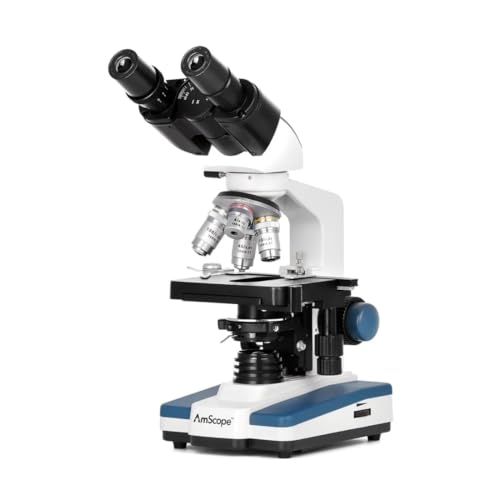
- 40X-2500X magnification for lab and classroom use
- Includes 5MP USB camera with software
- LED fly-eye illumination and 3D stage
Best For: students and labs wanting an affordable digital compound microscope
All-in-One HDMI Viewer
Andonstar AD266S 7-Inch 5-Lens

- Five lenses cover slides, coins, and repair work
- 7-inch screen with HDMI and 2160P video
- Metal stand and X-Y stage improve stability
Best For: users who want a versatile all-in-one digital microscope
Simple Digital Upgrade
AmScope B120C-E1 1MP Binocular
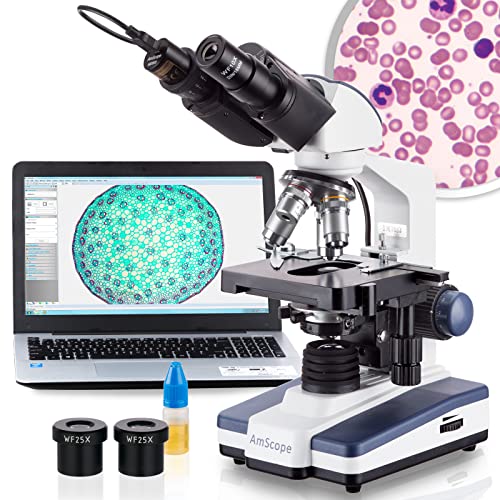
- 40X-2500X magnification for lab viewing
- Includes 1MP USB camera and Windows software
- LED fly-eye lighting with binocular head
Best For: buyers wanting a basic digital compound microscope
Expanded Inspection System
Andonstar AD269S 10.1-Inch Endoscope Combo

- Five lenses plus endoscope expand use cases
- 10.1-inch monitor with HDMI output
- 2160P video, measurement software, and metal stand
Best For: buyers needing a larger-screen microscope with inspection flexibility
Research-Grade Digital Pick

- Includes a 2.0MP USB camera for photo/video capture.
- Trinocular head lets you observe and document at once.
- Software adds stitching, EDF, and measurement tools.
Best For: Users who want a research-style digital microscope with imaging software.
Beginner-Friendly Digital Sharing Pick
40X-2500X Microscope with Phone Holder

- Phone holder helps with viewing and basic photo/video capture.
- Dual LED lighting works for opaque and translucent specimens.
- Includes starter accessories and a 5-color filter wheel.
Best For: Families, students, and beginners who want simple microscope viewing with phone-based sharing.
Trinocular Value Pick
PalliPartners 40x-2000x with 5MP Camera

- Includes a 5MP camera for digital capture.
- Trinocular design supports viewing and camera use together.
- Dual LED lights and a double-layer stage improve usability.
Best For: Users who want an affordable trinocular microscope for basic digital imaging and observation.
Wide-View Beginner Pick
Compound Microscope 40X-2500X with Dual LED

- Binocular wide-angle eyepieces
- Top and bottom LED lighting
- Coarse and fine focusing knobs
Best For: Students and hobbyists wanting a comfortable binocular setup
Digital Lab Starter
Rotating Monocular Microscope with USB Camera

- 640x480 USB digital camera
- 40X-1000X magnification range
- Windows software with measurement tools
Best For: Students who want easy photo and video capture
Lab-Grade Imaging Choice
Trinocular Microscope with HD USB Camera

- Trinocular head with electronic eyepiece
- Infinity optical system and LED lighting
- Large accessory kit included
Best For: Advanced users needing imaging support and a full lab kit
Budget-Friendly Lab Starter – AmScope B120C-E5 5MP Binocular
If you’re comparing digital compound microscopes for school, lab, or clinic use, the AmScope B120C-E5 is a practical entry point with strong magnification, LED illumination, and bundled digital imaging. Its 5MP USB camera and software make it easier to capture and review slides without moving up to a more expensive lab system.
Best For: Students, educators, and budget-minded users who want a binocular compound microscope with a 5MP digital camera.
Pros:
- 40X-2500X magnification covers a wide range of educational and lab viewing needs.
- Includes a 5MP USB camera with professional software for image capture and analysis.
- LED illumination with a fly-eye lens is designed for bright, daylight-balanced light.
- Binocular design and 3D stage support more comfortable, practical use.
Cons:
- Needs a laptop for the digital camera workflow.
- More basic camera resolution than higher-end HDMI digital microscopes.
This model stands out as an economical compound microscope that still gives you real digital capture capability, making it a sensible pick for classrooms and general lab work.
All-in-One HDMI Viewer – Andonstar AD266S 7-Inch 5-Lens
The Andonstar AD266S is a versatile choice among digital compound microscopes because it combines multiple lens types, HDMI output, and built-in screen viewing in one setup. It is aimed at users who want a single microscope for slides, coins, and electronics work, with UHD capture and measurement software for more involved projects.
Best For: Hobbyists, students, and repair users who want a flexible microscope with HDMI viewing and multiple lens options.
Pros:
- Five lens options support biological slides, coins, plants, and soldering tasks.
- 7-inch LCD screen plus HDMI output make viewing easy on the microscope or a larger monitor.
- Captures 2160P UHD video and includes measurement software for Windows PC use.
- Metal stand and X-Y moveable stage help reduce shake and improve specimen positioning.
Cons:
- Setup is more involved because it uses multiple interchangeable lenses.
- Some best features depend on connecting to a PC or external display.
For buyers who want one microscope to cover several detailed tasks, the AD266S offers a broad feature set and strong viewing flexibility in a single package.
Simple Digital Upgrade – AmScope B120C-E1 1MP Binocular
The AmScope B120C-E1 is a straightforward digital compound microscope for buyers who want the same practical binocular platform as the B120 series with a lighter digital setup. It keeps the 40X-2500X range and LED lighting, while the included 1MP USB camera covers basic image capture for PC use.
Best For: Students and professionals who want an affordable compound microscope with basic digital imaging.
Pros:
- 40X-2500X magnification supports a wide range of educational and lab observations.
- Includes a 1MP USB camera and microscopy software for Windows.
- LED illumination with fly-eye lens is designed for bright, daylight-balanced lighting.
- Binocular design is suited to comfortable long sessions.
Cons:
- 1MP camera is less capable than higher-resolution digital microscope bundles.
- Digital output is limited to PC-based capture rather than HDMI viewing.
If your priority is getting into digital compound microscopes without overpaying for advanced imaging, this model offers a solid balance of basics and usability.
Expanded Inspection System – Andonstar AD269S 10.1-Inch Endoscope Combo
The Andonstar AD269S is a feature-packed digital compound microscope for users who want more than standard slide viewing. With five lenses, an included endoscope, HDMI output, and a larger 10.1-inch monitor, it is built for detailed inspection work, biology viewing, and electronics tasks that benefit from flexible angles.
Best For: Users who want a larger-screen microscope with an endoscope and multiple observation modes.
Pros:
- Five lenses plus an endoscope expand viewing options for slides, coins, repair work, and tight spaces.
- 10.1-inch monitor and HDMI support make shared viewing more practical.
- 2160P video capture and Windows measurement software add digital documentation tools.
- Metal stand, external LED lights, and X-Y stage are designed to improve stability and control.
Cons:
- More specialized than a basic compound microscope.
- Best suited to users who will use the extra lenses and endoscope features.
This is a strong pick if you want a digital microscope system that can handle microscope slides and inspection-style work without switching devices.
Research-Grade Digital Pick – SWIFT SW350T 2.0MP Trinocular
If you want digital compound microscopes that can handle both serious observation and documentation, the SWIFT SW350T is built with a trinocular head and a 2.0MP USB camera for capturing photos and video while you work. Its 40X-2500X range, achromatic optics, and included software make it a practical fit for users who need clear imaging and measurement support.
Best For: Students, lab users, and advanced hobbyists who need a microscope for viewing and digital capture at the same time.
Pros:
- 2.0MP USB camera and trinocular port support simultaneous viewing and digital imaging.
- Software for Windows and Mac includes stitching, EDF, and measurement tools.
- 40X-2500X magnification with 4 achromatic objectives and wide-field eyepieces.
- Double-layer mechanical stage and Abbe condenser help with precise specimen control.
Cons:
- More than a basic starter scope, so it may be more than casual users need.
- Best suited to users who want to use the included software and camera features.
- Metal-body research-style build may feel bulky compared with simpler student models.
The SW350T stands out if your priority is a true digital workflow rather than eyepiece viewing alone. It combines lab-oriented optics, stable mechanics, and camera support in one package.
Beginner-Friendly Digital Sharing Pick – 40X-2500X Microscope with Phone Holder
For buyers comparing digital compound microscopes for home, school, or early lab use, this model keeps things straightforward with 40X-2500X magnification, dual LED illumination, and a phone holder for easy image capture. The included slides and accessories make it a convenient option for users who want to start observing quickly.
Best For: Kids, students, and families who want an easy-to-use microscope with simple digital sharing.
Pros:
- 40X-2500X range with WF25X/10X eyepieces and 4X/10X/100X objectives.
- Dual LED lighting works for both transparent slides and opaque objects.
- Phone holder makes it easier to view, record, and share results.
- Color filter wheel and included accessories support beginner experiments.
Cons:
- Does not include a built-in digital camera.
- More focused on accessibility than advanced lab-level imaging features.
- Best for simple viewing and sharing rather than detailed documentation.
This is a sensible choice if you want a practical microscope that’s easy to use right out of the box. The added phone holder and lighting options make it especially friendly for classroom-style exploration.
Trinocular Value Pick – PalliPartners 40x-2000x with 5MP Camera
If you need digital compound microscopes with trinocular flexibility but want a simpler, more compact range, this PalliPartners model offers 40x-2000x magnification, dual LED illumination, and a 5MP camera for digital capture. It is positioned for everyday observation, basic biological checks, and sharing specimens in classroom or home settings.
Best For: Home learners, classroom users, and hobbyists who want a trinocular microscope with built-in digital capture.
Pros:
- Trinocular head supports camera connection while still viewing through the eyepieces.
- 5MP camera is included for digital capture and sharing.
- Dual LED illumination helps with both transparent and non-transparent specimens.
- Double-layer stage and coarse/fine focus knobs support stable, precise viewing.
Cons:
- 2000x maximum is lower than some higher-end 2500x models.
- Geared more toward basic observation than advanced analysis features.
- May be more than needed for users who only want a simple starter microscope.
The PalliPartners scope makes sense if you want trinocular convenience without moving into a more specialized lab setup. It covers the core features most users need for clear viewing, digital capture, and day-to-day specimen work.
Wide-View Beginner Pick – Compound Microscope 40X-2500X with Dual LED
If you want digital compound microscopes for learning biology or exploring prepared slides, this Herwicm model is built around a wide-angle binocular viewing setup, dual LED illumination, and a two-layer mechanical stage. It is aimed at adults, students, and hobbyists who want clear optical observation with straightforward controls and a higher magnification range.
Best For: Students, beginners, and hobbyists who want a binocular compound microscope with bright top-and-bottom lighting.
Pros:
- Binocular wide-angle eyepieces are designed for clearer viewing with less eye fatigue.
- Dual LED lighting supports both top and bottom illumination for flexible observation.
- Coaxial coarse and fine focus knobs make adjustments easier and more precise.
- Two-layer mechanical stage and telescopic lens protection add practical usability.
Cons:
- This is an optical compound microscope rather than a true digital camera microscope.
- The maximum magnification is listed as 40X in the details, despite the broader title claim.
- It is corded and designed for bench use, not portable field observation.
Overall, this is a practical entry-level compound microscope for anyone who values comfortable binocular viewing and basic lab-style features more than digital imaging extras. It fits well in a home study setup or beginner science kit.
Digital Lab Starter – Rotating Monocular Microscope with USB Camera
Among digital compound microscopes, this AmScope model stands out for pairing a 40X-1000X optical microscope with a 640×480 USB 2.0 digital camera. It is a good fit if you want to capture photos and videos on a computer while still keeping the microscope simple and durable for classroom or home use.
Best For: Students and beginners who want a basic compound microscope with built-in digital imaging support.
Pros:
- Includes a USB 2.0 digital camera for photos and videos on Windows and Mac.
- Rotating monocular head adds flexibility for viewing angles.
- All-metal frame and LED illumination support durable everyday use.
- Software includes measurement, stitching, EDF, and recording features on Windows.
Cons:
- The camera resolution is 640×480, which is modest by current digital standards.
- Advanced software features are limited to Windows only.
- Magnification tops out at 1000X, which is lower than some lab-oriented models.
This is a balanced choice if digital capture matters more to you than maximum magnification. It offers a straightforward way to document observations without adding much complexity to the microscope itself.
Lab-Grade Imaging Choice – Trinocular Microscope with HD USB Camera
If you are comparing digital compound microscopes for more serious lab-style use, this trinocular Woehrsh setup is the most feature-rich option in the group. It combines a trinocular head, a high-pixel electronic eyepiece, dual mechanical stage, and a large accessory kit, making it suitable for users who want both optical observation and digital expansion.
Best For: Advanced users, labs, and teaching setups that need a trinocular microscope with camera support and accessories.
Pros:
- Trinocular design supports an electronic eyepiece and external imaging use.
- Wide-angle eyepieces and adjustable interpupillary design improve viewing comfort.
- Infinity optical system and achromatic objectives are built for clearer imaging.
- Large included accessory kit adds slides, tools, holders, and storage items.
Cons:
- The feature set is complex and may be more than a casual beginner needs.
- It is a corded metal microscope, so it is intended for stationary use.
- The title and details emphasize multiple magnification claims, which can make comparison confusing.
This is the most capable option if you want a lab-oriented microscope with strong expansion potential and a digital eyepiece. It makes the most sense when imaging, accessories, and adjustability matter as much as raw magnification.
How We Picked These Digital Compound Microscopes
We looked for models that offer a useful mix of optical performance, digital capture, and everyday usability. That means solid magnification ranges, decent cameras or HDMI output where included, stable stages, and lighting that makes specimens easier to see. We also considered whether a scope is better suited to beginners, classrooms, or more advanced users.
Quick Comparison
At a high level, the lineup splits into a few common use cases: student-friendly binocular scopes for general biology, trinocular models for users who want to add imaging, and HDMI digital microscopes for direct screen viewing and recording. Higher stated magnification is not automatically better; image quality, illumination, and stage stability matter just as much.
Key Buying Factors for Digital Compound Microscopes
Optics and Real-World Clarity
Look beyond the headline magnification range. Good objectives, quality eyepieces, and proper alignment usually matter more than extreme numbers. For tissue, cells, and slides, a stable image at moderate magnification is often more useful than a very high maximum.
Camera and Display Options
If you plan to take photos or show specimens to others, check the camera resolution, connection type, and whether the system is easy to use. HDMI models are convenient for direct monitor viewing, while USB or built-in cameras work well for documentation and teaching.
Stage, Focus, and Lighting
A two-layer mechanical stage gives better slide control, especially at higher magnifications. Fine focus should feel smooth and precise. LED illumination, ideally with adjustable brightness, helps improve contrast and makes low-light specimens easier to observe.
Build Quality and User Fit
Binocular and trinocular heads are generally more comfortable for longer sessions than monocular designs. Students and beginners may prefer simpler setups, while labs and serious hobbyists often benefit from trinocular heads and more robust construction.
Who Should Buy Which Digital Compound Microscopes?
If you want a straightforward learning microscope, choose a binocular model with good lighting and a mechanical stage. If imaging and screen viewing are a priority, a digital or HDMI-equipped option makes sense. For school labs, home biology projects, and occasional research use, the best choice is usually the model that balances optics, camera features, and ease of use rather than the one with the highest claimed magnification.
For most buyers, Digital Compound Microscopes are about matching the tool to the task: classroom viewing, shared demonstrations, or careful slide work. Start with your primary use case, then compare comfort, image capture, and stage control before deciding.