
Motorized star trackers can transform a basic camera setup into a far more capable astrophotography rig. By matching the sky’s motion, they help you take longer exposures with less star trailing and noticeably sharper images.
Below, we’ve rounded up 10 of the best options for different needs, from lightweight DSLR trackers to more advanced mounts and telescope-ready tracking systems.
Best 10 Motorized Star Trackers Picks for 2026
Portable Nightscape Choice
Sky-Watcher Star Adventurer 2i Pro Pack
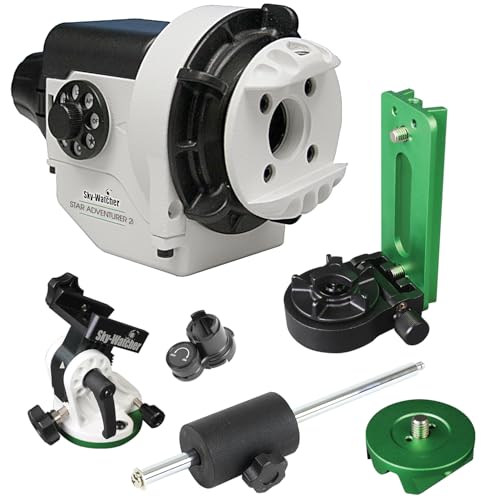
- Portable platform for wide-field astrophotography
- Wi-Fi app control via Sky-Watcher SAM Console
- Deluxe equatorial base aids polar alignment
Best For: Travelers and nightscape shooters who want a flexible motorized tracker
Ultra-Light Camera Mount
iOptron SkyTracker Pro Camera Mount

- Lightweight 3.3-pound tracking mount
- Offers sidereal, solar, lunar, and half-speed modes
- Includes polar scope and padded bag
Best For: Camera shooters who want a small, travel-friendly tracker
Backcountry Pick
SLIK ECH-630 Compact Star Tracker
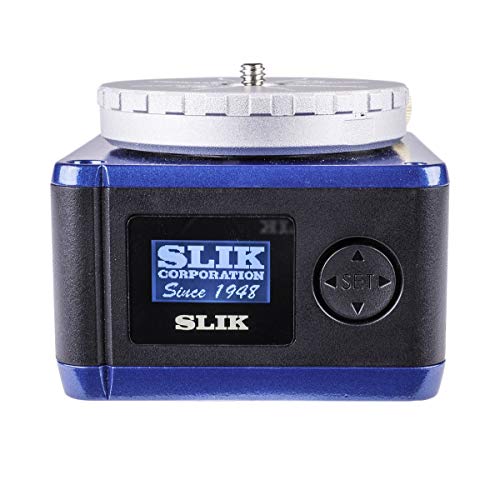
- Compact 22.4 oz. tracker for easy packing
- Up to 20 hours on 4 AA batteries
- Supports lunar, solar, starscape, and sidereal modes
Best For: Backpackers and backcountry photographers needing long battery life
All-in-One Smart Scope
Unistellar Odyssey PRO Smart Telescope

- Motorized Alt-Az mount with automatic alignment
- Integrated optics, camera, tripod, and 64GB storage
- RAW/FITS export and citizen-science features
Best For: Buyers who want a smart, all-in-one observing system
Ultra-Precision Travel Tracker
OGST Single-Axis Automatic Tracking Equatorial Mount

- ±10 arcseconds periodic error over 10 minutes
- 1.4 kg body supports up to 4 kg payload
- Wi‑Fi control plus multiple polar alignment methods
Best For: Traveling astrophotographers who want a lightweight, precise tracker
Portable Nightscape Tracker
Sky-Watcher Star Adventurer Mini Pro Pack

- Motorized tracker for Milky Way, eclipse, and wide-field work
- Wi‑Fi smartphone control with free SynScan app
- Includes equatorial base and polar scope
Best For: DSLR and mirrorless shooters who want a compact, travel-friendly tracker
Beginner Motor Drive Mount
Celestron AstroMaster 130EQ-MD Telescope

- RA motor drive keeps centered objects in view
- 130mm reflector with beginner-friendly setup
- Includes eyepieces, finder, and tripod
Best For: New observers who want simple motorized tracking in a telescope
Best with Extra Features
Sky-Watcher Star Adventurer 2i Astro Pack

- 2.4 lb portable design for travel imaging
- Illuminated polar finderscope for alignment
- 11 lb payload; AA or 5V USB power
Best For: DSLR shooters doing Milky Way, eclipse, and time-lapse imaging
Solar Tracking Mount

- Solar-specific alt-az motorized tracking
- HelioFind auto alignment with GPS
- 8-way joystick for centering the Sun
Best For: Solar observers who want automated Sun tracking
Beginner Equatorial Tracker
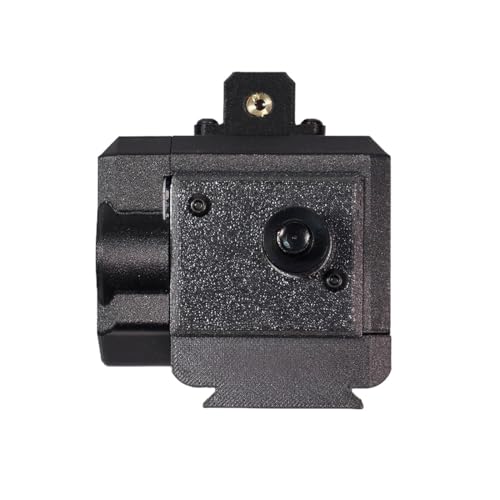
- Single-axis tracking for DSLR/mirrorless setups
- Runs from 5V power banks in the field
- Carbon fiber composite body with steel axis
Best For: Beginners wanting a compact, portable astro tracker
Portable Nightscape Choice – Sky-Watcher Star Adventurer 2i Pro Pack
If you want a highly portable option among motorized star trackers, the Sky-Watcher Star Adventurer 2i Pro Pack is built for wide-field astrophotography, nightscapes, eclipses, and even time-lapse work. Its modular design can integrate with existing photographic tripods, and the deluxe equatorial base helps you set a better angle for polar alignment.
Best For: Travelers and nightscape shooters who want a flexible, motorized tracker with smartphone control.
Pros:
- Portable tracking platform for Milky Way, eclipse, and other astronomical shots
- Modular design works with existing photographic tripods
- Wi-Fi support with Sky-Watcher’s SAM Console app for smartphone control
- Deluxe equatorial base supports polar alignment setup
Cons:
- Batteries are required, even though lithium metal batteries are included
- At 7 pounds, it is not the lightest tracker in the group
Overall, this is a strong pick if you want a feature-rich tracker that stays focused on portable astrophotography rather than a full telescope system. The app control and flexible tripod integration make it especially practical for field use.
Ultra-Light Camera Mount – iOptron SkyTracker Pro Camera Mount
The iOptron SkyTracker Pro is a compact entry in motorized star trackers, aimed at camera users who need a lightweight mount with multiple tracking speeds. It supports sidereal, half-speed, solar, lunar, and north/south modes, and the included polar scope helps with setup in the field.
Best For: Camera shooters who want a small, travel-friendly tracker with several motion speeds.
Pros:
- Lightweight at 3.3 pounds and sized for travel use
- Multiple tracking options: sidereal, half-speed, solar, lunar, and N/S
- Included polar scope for alignment
- Micro-USB charging and a padded bag add convenience
Cons:
- 3 kg payload limit may be restrictive for heavier camera setups
- Mount only, so it does not include a full telescope package
For photographers who prioritize portability and simple star tracking, this model keeps the footprint small without giving up useful speed options. It is best viewed as a dedicated camera mount rather than a do-everything astronomy platform.
Backcountry Pick – SLIK ECH-630 Compact Star Tracker
The SLIK ECH-630 is a compact choice in motorized star trackers for photographers who need a lightweight setup with multiple celestial speeds. It supports lunar, solar, starscape, and sidereal shooting, and the LCD menu makes control straightforward in the field.
Best For: Backpackers and backcountry photographers who need a small tracker with long battery life.
Pros:
- Compact and lightweight at 22.4 oz., easy to pack
- Multi-speed support for celestial, lunar, and time-lapse photography
- Up to 20 hours of runtime on 4 AA batteries
- LCD display simplifies menu control
Cons:
- Maximum weight recommendation is 11 pounds, so load capacity is limited
- Polar alignment may be easier with the optional micro adjustment head
This tracker stands out for portability and battery endurance, which matter a lot when you are far from power. It is a practical option if your priority is carrying less gear into remote locations.
All-in-One Smart Scope – Unistellar Odyssey PRO Smart Telescope
The Unistellar Odyssey PRO takes a different approach than traditional motorized star trackers by combining a telescope, digital imaging system, and app-controlled motorized Alt-Az mount in one package. It is designed to get you observing quickly, with automatic alignment, autofocus, and GoTo control that remove the need for polar alignment or calibration.
Best For: Buyers who want a smart, all-in-one observing system instead of a standalone tracker.
Pros:
- Automatic alignment and motorized Alt-Az mount simplify setup
- Integrated 85mm f/3.9 optics, camera, electronics, tripod, and storage
- RAW/FITS export supports advanced processing
- Large object catalog and citizen-science features add extra value
Cons:
- Heavier and less portable than compact camera-only trackers
- It is a complete telescope system, not a simple mount for existing gear
If you want the easiest path into smart observing, this is the most integrated option here. It trades the simplicity of a small tracker for a far more automated experience and a broader feature set.
Ultra-Precision Travel Tracker – OGST Single-Axis Automatic Tracking Equatorial Mount
If you want motorized star trackers with serious portability, the OGST Single-Axis Automatic Tracking Equatorial Mount is built for travel-first astrophotography. Its lightweight carbon-composite body, Wi‑Fi control, and high-precision tracking make it a strong fit for shooters who need a compact rig without giving up accuracy.
Best For: Travelers and advanced hobbyists who want a lightweight, customizable tracker for wide-field nightscapes and longer exposures.
Pros:
- Rated for about ±10 arcseconds periodic error over 10 minutes, with support for up to 120-second exposures at 300mm.
- Weighs only 1.4 kg yet supports up to 4 kg of gear, making it easy to carry into the field.
- Offers Travel Mode and Fixed Mode for grab-and-go imaging or more stable deep-sky sessions.
- Includes Wi‑Fi and browser/app control, plus multiple polar alignment methods for different skill levels.
Cons:
- Single-axis tracking is best suited to camera-based astrophotography, not heavy telescope setups.
- The advanced open-source control approach may appeal more to tinkering users than beginners wanting a simple plug-and-play experience.
- The supplied notes focus on performance and portability, but do not include a full accessory bundle.
This is a compelling option if your priority is a compact tracker that still delivers precise, field-ready performance. It stands out most when portability, control flexibility, and alignment options matter as much as raw tracking quality.
Portable Nightscape Tracker – Sky-Watcher Star Adventurer Mini Pro Pack
The Sky-Watcher Star Adventurer Mini Pro Pack is a compact choice in motorized star trackers for nightscapes, eclipses, and wide-field astrophotography. It’s designed to work with existing tripods, making it a practical grab-and-go platform for photographers who want portable tracking without a bulky mount.
Best For: DSLR and mirrorless users who want a lightweight tracker for Milky Way shots, eclipse work, and time-lapse capture.
Pros:
- Motorized portable tracking platform made for Milky Way, eclipse, and other astronomical imaging.
- Wi‑Fi enabled with free SynScan app control from a smartphone.
- Includes a deluxe equatorial base and polar scope for easier polar alignment.
- Very portable at 1.5 lbs and supports up to 6.6 lbs of camera gear.
Cons:
- Counterweights are not included with the dec bracket setup.
- Power relies on two AA batteries or external 5V mini-USB, and batteries are not included.
- It is optimized for camera systems rather than larger telescope payloads.
Overall, this pack is a strong match if you want a lightweight tracker that stays simple to transport and set up. The included alignment tools and app control make it especially appealing for photographers who value convenience in the field.
Beginner Motor Drive Mount – Celestron AstroMaster 130EQ-MD Telescope
The Celestron AstroMaster 130EQ-MD is a beginner-friendly telescope with motorized tracking, making it a practical entry point for anyone exploring motorized star trackers in a more traditional telescope setup. Its equatorial mount and RA motor drive help keep objects centered after you’ve aimed them, so you can spend more time observing and less time constantly nudging the scope.
Best For: Beginners who want an easy-to-use telescope with motorized object tracking for planets and deep-sky viewing.
Pros:
- Includes a motor drive that automatically follows celestial objects once they are centered.
- 130mm Newtonian reflector offers strong light-gathering for beginner astronomy.
- Quick, no-tool setup with a stable adjustable tripod.
- Comes with two eyepieces, a red-dot finderscope, and a free astronomy software download.
Cons:
- Heavier and less portable than camera-focused star trackers at 17 pounds.
- The motor drive uses a 9V alkaline battery, so power management is more limited than rechargeable options.
- It is a manual-focus telescope, so it is less streamlined than dedicated astrophotography tracking mounts.
If you want a straightforward starter telescope with built-in tracking, this model offers a lot of value for learning the sky. It is best viewed as an approachable observing system first, with tracking as a helpful extra rather than a specialized imaging platform.
Best with Extra Features – Sky-Watcher Star Adventurer 2i Astro Pack
If you want motorized star trackers for travel-friendly astrophotography, the Sky-Watcher Star Adventurer 2i Astro Pack is built around portability and wide-field shooting. Its modular design works with existing photographic tripods, and the motorized platform is aimed at Milky Way, eclipse, time-lapse, and panoramic work.
Best For: DSLR users who want a lightweight, portable tracker for nightscapes, wide-field astro, and time-lapse work.
Pros:
- Weighs just 2.4 lbs, making it easy to pack for field sessions
- Built-in illuminated polar finderscope helps with accurate alignment to Polaris
- Supports most DSLR cameras with an 11 lb payload capacity
- Runs on AA batteries for up to 72 hours, with optional 5V mini-USB power
Cons:
- Single-purpose design is focused on portable sky tracking rather than general mounting
- Best results depend on careful polar alignment
This is a practical pick if your priority is a compact, motorized tracker that travels well and handles core night-sky imaging tasks without adding much bulk.
Solar Tracking Mount – Sky-Watcher SolarQuest S21170
Sky Watcher Sky-Watcher SolarQuest Tracking Mount - Safe Solar Specific Alt-Az Mount (S21170)
Check Price On AmazonAmong motorized star trackers, the Sky-Watcher SolarQuest stands out because it is purpose-built for safe solar viewing rather than night-sky imaging. It uses HelioFind auto alignment and tracking, along with an 8-way joystick for centering the Sun, so it is aimed at convenient solar observation with a compatible setup.
Best For: Users who want an automated, solar-specific tracking mount for safe Sun viewing.
Pros:
- Solar-specific alt-az motorized tracking mount designed for the Sun
- HelioFind auto alignment and tracking simplify setup
- Built-in 8-way joystick helps center the Sun precisely
- 11 lb payload capacity supports compatible gear
Cons:
- Built for solar use, not general night-sky tracking
- Heavier than compact DSLR star trackers at 13.2 lbs
If you specifically need a mount for solar observing, this is a focused option with tracking automation that reduces setup friction and keeps the use case clear.
Beginner Equatorial Tracker – OrionU Star Tracking Mount
For buyers comparing motorized star trackers for a first astrophotography setup, the OrionU Star Tracking Equatorial Mount focuses on portability and simple single-axis tracking. It uses a reinforced steel axis, a high-brightness alignment pointer, and a dual-core control system that can run from 5V power banks for field use.
Best For: Beginners with DSLR or mirrorless cameras who want a compact single-axis tracker for portable long-exposure work.
Pros:
- Reinforced steel axis supports stable single-axis tracking
- High-brightness alignment pointer helps with polar alignment
- Runs from 5V power banks for portable field sessions
- Lightweight carbon fiber composite body is travel-friendly
Cons:
- 4 kg axial load limit is lower than larger mount options
- Single-axis design is less flexible than multi-axis systems
This is a sensible entry-level tracker if you want a compact, tested unit for long exposures and time-lapse work without moving into a heavier mount class.
How We Picked These Motorized Star Trackers
We focused on real buyer priorities: tracking accuracy, portability, payload support, setup simplicity, battery life, and whether the mount is better suited for cameras, telephoto lenses, or small telescopes. We also looked at alignment tools, build quality, and whether each model offers enough flexibility for travel, nightscapes, time-lapse work, or deeper-sky use.
Quick Comparison: Which Type Fits Your Setup?
Not all Motorized Star Trackers serve the same purpose. Compact DSLR trackers are ideal for Milky Way shots and wide-field imaging, while more capable equatorial mounts can handle heavier camera-and-lens combinations or entry-level telescopes. Some products in this roundup are specialized for solar observing, and a few smart or motorized telescope systems prioritize automation over pure portability.
Key Buying Factors for Motorized Star Trackers
Tracking Accuracy and Alignment
Accuracy matters most if you plan to shoot longer exposures. Look for smooth tracking, fine polar alignment aids, and stable mechanics that minimize drift. If you often work in the field, an easier alignment process can matter as much as raw precision.
Payload, Balance, and Stability
Check the supported load carefully. A tracker that is perfect for a mirrorless camera may struggle with a heavy DSLR, long lens, or telescope tube. Good balance also helps reduce strain on the drive system and improves results.
Portability and Power
Travel-friendly designs are a major advantage for astrophotographers who hike or pack light. Battery type, runtime, and setup footprint can make a big difference on long nights out, especially in remote locations.
Use Case: Wide-Field, Panoramas, or Telescope Work
Choose a tracker based on what you shoot most. Wide-field nightscapes and panoramas benefit from lightweight, easy-to-carry units. Telescope users should look for more robust mounts and better load handling. Solar-specific trackers should only be used for their intended purpose and with proper solar-safe equipment.
Who Should Buy Which Motorized Star Trackers?
Beginner astrophotographers usually benefit most from simple, portable star trackers with clear alignment support. Travelers and landscape shooters should prioritize compact designs and long battery life. Advanced users who want heavier payload capacity or more automation may prefer upgraded equatorial mounts or computerized tracking systems. If your main goal is sharper long exposures, Motorized Star Trackers are one of the most practical upgrades you can make.