
The right experiment set can turn a science-fair idea into a repeatable investigation with clear variables, measurable results, and an engaging demonstration. These kits cover core topics including electricity, magnetism, circuits, light, lenses, and mirrors.
We compare 10 options for different ages, project goals, and classroom needs so you can choose a kit that supports genuine experimentation—not just one-time assembly.
Best 10 Physics Experiment Sets for Science Fairs Picks for 2026
Best All-Around Electromagnetism Kit
Electricity & Magnetism Discovery Lab
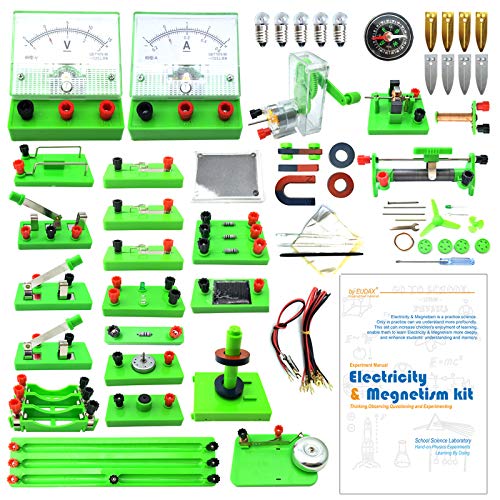
- 79-piece electricity and magnetism set
- Includes circuits, electromagnet, and generator projects
- Color manual and storage bag included
Best For: Grades 9–11 electricity and magnetism projects
Best Magnet-Focused Pick
Magnetic Science Physics & Engineering Set
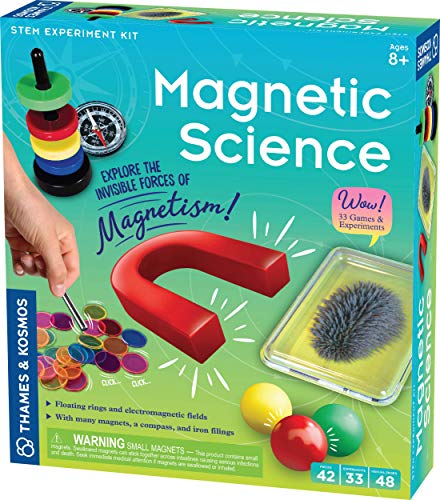
- Includes 33 experiments and games
- Explores magnetic fields and electromagnets
- 60-page full-color manual included
Best For: Ages 8–15 magnetism-focused projects
Best for Optics Demonstrations
Multifunction Physics Optical Experiment Set

- Includes lenses, mirrors, prism, and reflector
- Demonstrates reflection and refraction
- Recommended for ages 14 and up
Best For: Indoor light and optics demonstrations
Best Starter Circuit Kit
STEM Electric Circuit Experiments

- Includes eight circuit experiments
- Step-by-step diagram guide included
- Suitable for home, classroom, and science fairs
Best For: Ages 8–12 introductory circuit projects
Magnetism Starter Pick
Junior Magnetism Experiment Set

- 14-piece magnetism-focused set
- Includes compass and iron filings
- Designed for ages 8 and up
Best For: Introductory magnetism projects and classroom exploration
Guided Activity Pick
Steve Spangler Physics Science Kit

- Six guided physics experiments
- Covers gravity, movement, balance, and energy
- Supports groups of up to four
Best For: Structured home or classroom physics activities
Circuit-Building Pick
EUDAX Basic Electricity Lab Kit

- Builds series and parallel circuits
- Includes English instructions
- AA batteries are not included
Best For: Grades 7–9 electricity projects and science fairs
Magnetism Explorer

- 38 components for magnetic-field and electromagnet experiments
- Includes levitation equipment, compass, cars, and magnet shavings
- Recommended for ages 15 and up
Best For: Magnetism-focused science fairs and classroom demonstrations
Circuit Lab Builder
Electricity and Magnetism STEM Kit

- More than 50 guided DIY experiments
- 55 components with an illustrated manual
- Storage case keeps parts organized
Best For: Teen-led circuit, electricity, and magnetism projects
Optics Discovery Lab

- 15-plus experiments covering reflection and refraction
- Includes lenses, mirrors, prisms, blocks, and light sources
- 32-page color manual supports guided investigations
Best For: Visual optics projects for students ages 8 to 16
Best All-Around Electromagnetism Kit – Electricity & Magnetism Discovery Lab
For students who need physics experiment sets for science fairs, this EUDAX kit offers a broad starting point in electricity and magnetism. Its 79 pieces, color manual, and project selection support hands-on work with circuits, electromagnets, resistance, and generators.
Best For: Grades 9–11 students planning electricity or magnetism demonstrations and projects.
Pros:
- Includes materials for series and parallel circuits, fruit batteries, electromagnets, and more.
- Combines 56 electricity items, 21 magnetism items, repair tools, and a color manual.
- Supports exploratory STEM learning and building simple electrical and magnetic models.
Cons:
- Requires three AA batteries, which are not included.
- The wide project range may require adult or teacher guidance for younger users.
This is a versatile choice when a science-fair project may involve either electricity or magnetism. The included storage bag and manual make it practical for repeated classroom or home use.
Best Magnet-Focused Pick – Magnetic Science Physics & Engineering Set
This magnetic science set is a focused option among physics experiment sets for science fairs, especially for projects about magnetic fields and electromagnetism. It provides 33 experiments and games using magnets in different shapes and sizes, along with a 60-page full-color manual.
Best For: Students ages 8–15 exploring magnets, magnetic fields, and introductory electromagnets.
Pros:
- Offers 33 engaging experiments and games.
- Explores invisible magnetic fields and includes an electromagnet activity.
- Comes with magnets, plastic components, and a 60-page full-color manual.
Cons:
- Its subject matter is centered on magnetism rather than broader electricity topics.
- The supplied notes do not list batteries or other electronic components.
Choose this set when the planned presentation centers on magnetic behavior rather than circuit construction. Its experiment count and illustrated manual can help younger students develop a clear, focused demonstration.
Best for Optics Demonstrations – Multifunction Physics Optical Experiment Set
For science-fair topics involving light, this optical experiment set provides hands-on physics experiment sets for science fairs with lenses, mirrors, a prism, and an adjustable three-way light source. The included manual supports demonstrations of reflection, refraction, and related optical effects.
Best For: Students ages 14 and up preparing indoor optics demonstrations or lessons.
Pros:
- Covers plane-mirror, diffuse, convex-mirror, concave-mirror, lens, and prism experiments.
- Includes three biconvex lenses, concave and convex lenses, a prism, reflector, and light source.
- English color-page manual and compact color box are included.
Cons:
- Requires two AAA batteries, which are not included.
- The light source direction must be adjusted with a screwdriver.
- Recommended for ages 14 and up, limiting its suitability for younger students.
This set is a strong match for a project that needs visible demonstrations of how light behaves. Its variety of optical components allows students to compare several effects within one compact kit.
Best Starter Circuit Kit – STEM Electric Circuit Experiments
This circuit starter kit is a practical choice among physics experiment sets for science fairs for younger students investigating basic electricity. It includes materials for eight experiments, circuit diagrams, and activities such as series circuits, parallel circuits, seawater power, and fruit batteries.
Best For: Ages 8 and up, particularly students ages 8–12 working on introductory circuit projects.
Pros:
- Provides eight experiments and eight ways to light the bulb.
- Includes a step-by-step circuit illustration guide.
- Designed for home, classroom, parent-child learning, and science-fair projects.
- Builds critical thinking, exploratory skills, and problem-solving through hands-on activities.
Cons:
- AA batteries are required separately.
- The set focuses on introductory circuits rather than a broad range of physics topics.
For a first circuit project, this kit keeps the scope manageable while offering several variations students can compare. The diagram guide also makes it suitable for guided independent work or classroom instruction.
Magnetism Starter Pick – Junior Magnetism Experiment Set
If you are comparing physics experiment sets for science fairs, this compact magnetism kit offers a focused way to explore attraction, repulsion, magnetic fields, and compass behavior. It includes 14 magnets and accessories, while everyday items such as paper, rulers, and pens can extend the experiments.
Best For: Children ages 8 and up who need a hands-on introduction to magnetism for home learning, classroom activities, or a simple science-fair project.
Pros:
- Includes bar, U-shaped, ring, and magnetic car components for varied investigations.
- Iron filings and a compass support visual field and direction experiments.
- Encourages observation, creative exploration, and connections between textbook concepts and real life.
- Compact 6.3-by-4.5-by-2.2-inch format is convenient for storage and transport.
Cons:
- Its scope is concentrated on magnetism rather than a broad range of physics topics.
- Some experiments require additional household tools.
This is a practical choice when a science-fair topic centers on magnets and magnetic fields. The focused contents make it easier to develop a clear project, though students seeking electricity, motion, or energy experiments will need a different kit.
Guided Activity Pick – Steve Spangler Physics Science Kit
For shoppers seeking physics experiment sets for science fairs, this guided kit combines six hands-on experiments with step-by-step instructions and follow-up questions. Its activities address gravity, movement, balance, and energy, giving students several everyday physics concepts to investigate.
Best For: Kids ages 8 and up, classrooms, and small groups of up to four children that benefit from structured lessons and guided experimentation.
Pros:
- Provides six experiments focused on different physics concepts.
- Includes a colorful activity guide, instructions, learning questions, and extension activities.
- Activities are described as safe and easy for children to understand.
- Suitable for classroom use or independent exploration.
Cons:
- The supplied notes do not specify the individual experiment materials or topics beyond the general concepts.
- Its 12-by-6.75-by-3.75-inch package may offer less topic specialization than a dedicated magnetism or circuit kit.
This is the most broadly guided option of the three, especially for learners who want a ready-made sequence of activities. The included questions and extensions can help turn an experiment into a science-fair investigation, but students should review the activity contents before choosing a specific project.
Circuit-Building Pick – EUDAX Basic Electricity Lab Kit
Among physics experiment sets for science fairs, this EUDAX kit is aimed at students who want to build and compare basic electrical circuits. The English manual guides learners through series and parallel circuits, while the included storage box keeps the 17 components organized between projects.
Best For: Junior and senior high school students, especially those preparing electricity projects for grades 7–9 science classes, clubs, camps, or science fairs.
Pros:
- Supports construction of both series and parallel circuits.
- English instructions help students assemble the examples.
- Targets textbook reinforcement, hands-on skills, creativity, and basic electrical awareness.
- Components come in a plastic storage box for easier organization.
Cons:
- Two AA batteries are not included.
- The kit is focused on introductory electricity rather than general physics.
- Students may need adult or teacher guidance when developing a more advanced project.
This is a strong match for a science-fair question involving current flow or circuit design. Its series-and-parallel focus provides a clear comparison-based project path, but remember to supply the required batteries before beginning.
Magnetism Explorer – 38-Piece Electromagnet Kit
For science fairs focused on magnetism, this 38-piece kit offers a practical way to demonstrate magnetic fields, attraction and repulsion, electromagnets, and magnetic levitation. The included diagrams and varied components can help students turn core physics concepts into hands-on projects.
Best For: Older students, classroom demonstrations, and science fair projects centered on magnetism and electromagnetism.
Pros:
- Includes 38 items for magnetic and electromagnetism experiments.
- Supports magnetic-field, levitation, compass, and electromagnet activities.
- Includes cars, magnetic butterflies, wires, battery box, and magnet shavings for varied demonstrations.
- Compact storage size of approximately 6.6 by 4.7 by 2.3 inches.
Cons:
- The manufacturer recommends the kit for ages 15 and up.
- Its focus is specialized toward magnetism rather than broad physics topics.
This is a strong choice when the project needs visible, repeatable demonstrations of magnetic forces or electromagnetism. Its component variety is useful for exploration, though younger students may need more supervision or guidance.
Circuit Lab Builder – Electricity and Magnetism STEM Kit
Students looking for physics experiment sets for science fairs can use this 55-piece kit to explore circuits, electricity, and magnetism through more than 50 suggested experiments. Its illustrated manual and organized storage case make it suitable for developing a project from guided activities.
Best For: Teen students who want a broad electricity-and-magnetism kit for STEM learning, circuit projects, or science fair preparation.
Pros:
- Offers more than 50 do-it-yourself experiments.
- Includes 55 items and a written, illustrated learning manual.
- Covers circuit boards, electromagnets, magnetic switches, light control LEDs, and Joule’s first law module.
- Solid storage case gives each item a designated place.
Cons:
- The manufacturer recommends it for ages 13 to 18.
- Its wide range of components may require careful sorting and setup before a project.
Among these options, this kit provides the broadest electricity-and-magnetism scope, making it a flexible foundation for students who have not yet chosen a specific project direction. The manual also supports explaining the science behind each activity rather than just assembling a demonstration.
Optics Discovery Lab – Light and Lens Experiment Kit
This optics-focused kit is a good match for physics experiment sets for science fairs involving light, lenses, mirrors, and image formation. With more than 25 components and 15-plus activities, students can investigate reflection, refraction, rainbows, color mixing, and projections using a structured experiment guide.
Best For: Students ages 8 to 16 who want a visually engaging optics project for school, homeschooling, or a science fair.
Pros:
- Provides 15-plus hands-on optics experiments.
- Includes prisms, concave and convex lenses, mirrors, transparent blocks, and light emitters.
- 32-page full-color manual gives step-by-step instructions and explanations.
- Supports projects involving refraction, reflection, rainbow formation, and image projection.
Cons:
- The kit concentrates on optics rather than electricity, magnetism, or mechanics.
- Some experiments may require careful alignment of the light source, lenses, and screens.
This is the most visually oriented choice in the group, which can help a science fair presentation stand out. Its defined optics theme and included manual make it easier to plan a focused investigation around how light behaves.
How We Picked These Physics Experiment Sets for Science Fairs
We evaluated the selected kits by looking at the physics concepts they support, the variety of included components, likely age and skill fit, and how easily students can adapt activities into an original science-fair question. Kits focused on circuits and electromagnetism are useful for testing conductivity, resistance, current paths, and coil design. Optics sets can support investigations involving reflection, refraction, focal length, image formation, and light angles.
We also considered practical details such as whether a set appears better suited to beginners, whether it offers enough parts for repeated trials, and whether its components can support measurement rather than simple demonstration. Always confirm the current contents, age guidance, and instructions before ordering.
Quick Comparison
| Best suited to | Look for | Strong kit type |
|---|---|---|
| Beginning students | Clear instructions and simple components | Junior circuit or magnetism set |
| Middle-school projects | Multiple experiments and reusable parts | STEM electricity, magnetism, or mixed physics kit |
| Optics investigations | Prisms, lenses, mirrors, and a light source | Dedicated optics set |
| Advanced school projects | Flexible apparatus and room for measurements | High-school lab or modular circuit kit |
Key Buying Factors for Physics Experiment Sets for Science Fairs
Concept Coverage
Choose a set that matches the intended research question. A circuit kit is a better foundation for comparing series and parallel arrangements, while an optics kit is more appropriate for studying focal points or refraction. Mixed kits offer variety but may provide less depth in any single topic.
Age and Complexity
Check the recommended age, reading level, and assembly demands. Younger students generally benefit from color-coded parts and guided activities. Older students may prefer open-ended components that allow them to alter variables and collect more meaningful data.
Measurement Potential
A science-fair project needs evidence. Prioritize kits that can be paired with a ruler, stopwatch, multimeter, protractor, or other suitable measuring tool. Parts that can be rearranged or tested repeatedly are more valuable than a single fixed demonstration.
Safety and Completeness
Review voltage limits, sharp or fragile components, battery requirements, and supervision guidance. Confirm whether batteries, stands, wires, or measuring instruments are included, since missing accessories can delay a project.
Who Should Buy Which Physics Experiment Sets for Science Fairs?
For younger learners, consider the STEM electric circuit, junior magnetism, or beginner-oriented Steve Spangler-style kit. Students interested in magnets and electromagnets should look at the T&K, Sntieecr, or EXBEPE options. For projects centered on switches, conductivity, and circuit design, the EUDAX, Mysterystone, and related circuit sets offer a more targeted starting point.
Choose a dedicated optical set—such as the prism, lens, mirror, or Teenii kit—when the project involves light paths or image formation. Older high-school students should favor the more configurable lab-style sets and plan to add independent measurements, controls, and repeated trials. The best choice is the kit that leaves enough flexibility for the student to ask and answer a question of their own.